12 Meanest & Most Aggressive Cat Breeds: Info, Pictures, & Training
While some cats have a reputation for being mean or aggressive, it’s important to remember that every cat can become a loving, well-adjusted companion when their physical, emotional, and social needs are met. The breeds listed here may require more dedicated attention, consistent training, and early socialization—but with the right care, they can thrive in loving homes. Aggression in cats is rarely about inherent “meanness”; it’s usually a sign of unmet needs, fear, stress, or lack of proper upbringing.
Top 12 Mean & Aggressive Cat Breeds
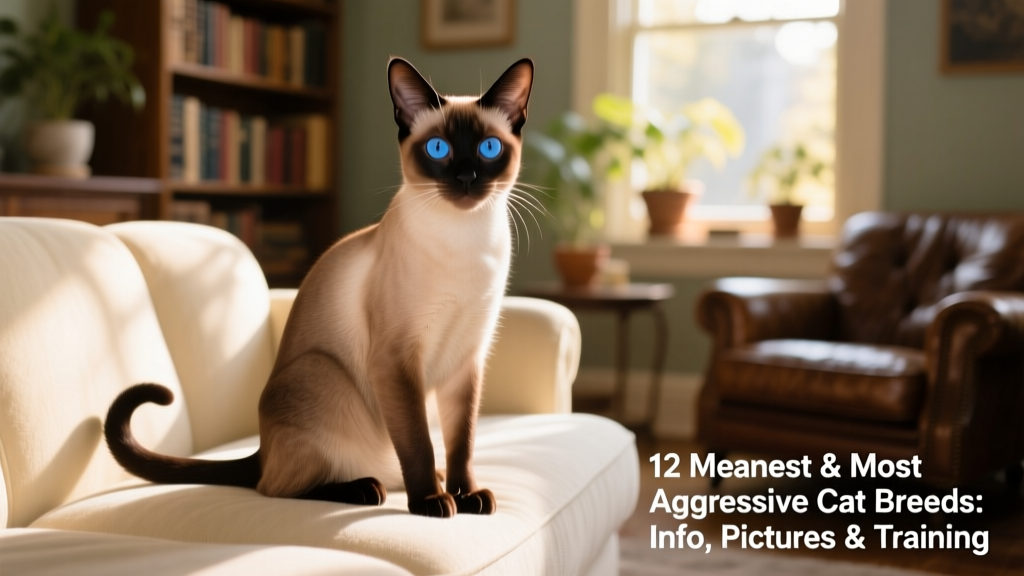
1. Siamese
- Origin: Thailand
- Lifespan: 15 to 20 years
- Height: 8 to 10 inches
Siamese cats form deep bonds and can be incredibly affectionate—but they’re also highly sensitive to changes in routine and attention levels. Their strong territorial instincts and tendency toward jealousy mean they may act out if they feel ignored or threatened by new people or pets. Consistent, positive reinforcement training—and plenty of one-on-one time—helps them feel secure and reduces reactive behavior.
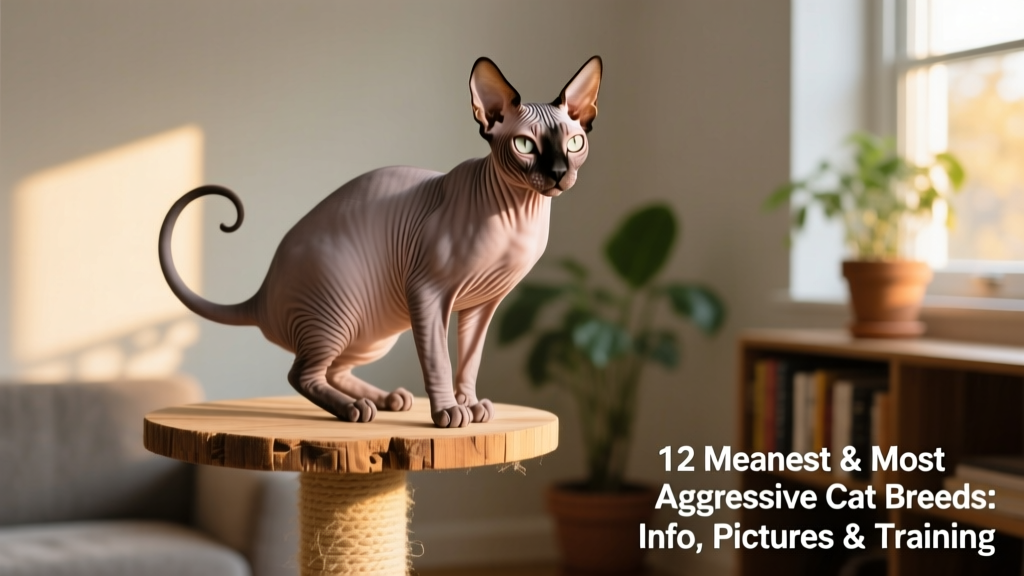
2. Sphynx
- Origin: Canada
- Lifespan: 9 to 15 years
- Height: 8 to 10 inches
Sphynx cats are energetic, intelligent, and intensely social. Without sufficient mental stimulation and human interaction, they can become frustrated or anxious—sometimes expressing this through vocal demands or sudden bursts of energy that owners misinterpret as aggression. Early socialization with other pets and consistent daily engagement helps channel their enthusiasm positively. FurPetVo recommends interactive play sessions and puzzle feeders to keep them mentally satisfied.
3. Himalayan
- Origin: United States (developed from Persian and Siamese crosses)
- Lifespan: 9 to 15 years
- Height: 7 to 10 inches
Himalayans inherit the calm demeanor of Persians but also carry the vocal and assertive traits of Siamese ancestors. They tend to bond strongly with one person and may become stressed—or even defensive—when separated from their favorite human or introduced to unfamiliar environments. Gentle handling, predictable routines, and quiet spaces help them feel safe. FurPetVo emphasizes slow introductions to new family members and using calming pheromone diffusers during transitions.
4. Bengal
- Origin: United States (hybrid of domestic cat and Asian leopard cat)
- Lifespan: 12 to 16 years
- Height: 10 to 16 inches
Bengals are athletic, curious, and highly intelligent—traits that demand outlets for their natural hunting instincts. Without adequate enrichment—like vertical climbing structures, leash walks, or clicker training—they may redirect energy into destructive or overstimulated behaviors. Their boldness can sometimes come across as dominance, especially around other pets. FurPetVo suggests daily structured play sessions and rotating toys weekly to prevent boredom-related agitation.
5. Maine Coon
- Origin: United States (Maine)
- Lifespan: 12 to 15 years
- Height: 10 to 16 inches
Despite their large size and imposing presence, Maine Coons are famously gentle giants—yet they can display protective or territorial behavior if startled or mishandled. Their sensitivity to loud noises or chaotic households may trigger defensive posturing. Socializing them early with children and other animals builds confidence. FurPetVo advises using soft voices, avoiding sudden movements, and providing elevated perches so they feel in control of their environment.
6. Abyssinian
- Origin: Ethiopia (historically linked to ancient Egypt)
- Lifespan: 12 to 15 years
- Height: 8 to 12 inches
Abyssinians are endlessly curious and crave constant activity. Left alone for long periods or confined without stimulation, they may develop compulsive behaviors or become hyper-vigilant—leading to nipping or swatting when over-aroused. They respond exceptionally well to clicker training and thrive with companionship, whether human or feline. FurPetVo recommends setting up window perches, bird-safe aviaries, and scheduled “adventure time” each day.
7. Scottish Fold
- Origin: Scotland
- Lifespan: 11 to 14 years
- Height: 8 to 10 inches
Scottish Folds’ sweet appearance belies their strong-willed nature. Many develop attachment-based anxiety, becoming withdrawn or irritable when routines shift or attention wanes. Their unique cartilage mutation requires careful monitoring for joint health—discomfort can manifest as irritability or avoidance. FurPetVo encourages regular vet check-ups, gentle handling, and establishing clear, calm boundaries to build mutual trust.
8. Bombay
- Origin: United States (developed from Burmese and black American Shorthair)
- Lifespan: 12 to 18 years
- Height: 8 to 10 inches
Bombays are sleek, confident, and deeply loyal—but also highly attuned to household dynamics. They dislike inconsistency and may become clingy or demanding if they sense tension or neglect. Their intelligence means they quickly learn what works to get attention—even if it’s negative reinforcement. FurPetVo recommends reward-based training, scheduled cuddle times, and using calming music or white noise during stressful events like thunderstorms or renovations.
9. Norwegian Forest Cat
- Origin: Norway
- Lifespan: 14 to 16 years
- Height: 9 to 12 inches
These majestic, thick-furred cats retain strong independence and ancestral hunting instincts. While generally placid, they can react strongly to perceived invasions of personal space—especially from unfamiliar dogs or young children. Their preference for high vantage points makes them observant rather than confrontational. FurPetVo suggests installing tall cat trees, offering outdoor enclosures (catios), and respecting their need for solitude without forcing interaction.
10. Ragdoll
- Origin: United States (California)
- Lifespan: 12 to 17 years
- Height: 9 to 11 inches
Ragdolls are famously docile and trusting—but that very trait makes them vulnerable to mishandling or overstimulation. Some individuals become overwhelmed easily and may freeze, hide, or lash out if touched too roughly or approached too quickly. Because they’re less likely to signal discomfort verbally, owners must learn subtle body language cues—like flattened ears or tail flicks. FurPetVo advises supervised interactions with kids, gradual desensitization to grooming, and always letting the cat initiate contact.
11. Russian Blue
- Origin: Russia (Arkhangelsk region)
- Lifespan: 15 to 20 years
- Height: 10 to 12 inches
Known for their reserved nature and striking green eyes, Russian Blues form intense attachments—and may react strongly to disruptions in their trusted circle. They’re sensitive to loud noises, fast movements, and inconsistent schedules. Their “aloof” reputation often masks deep loyalty and anxiety, not indifference. FurPetVo recommends maintaining predictable feeding and play times, using soft bedding in quiet corners, and introducing new people slowly with treats and calm praise.
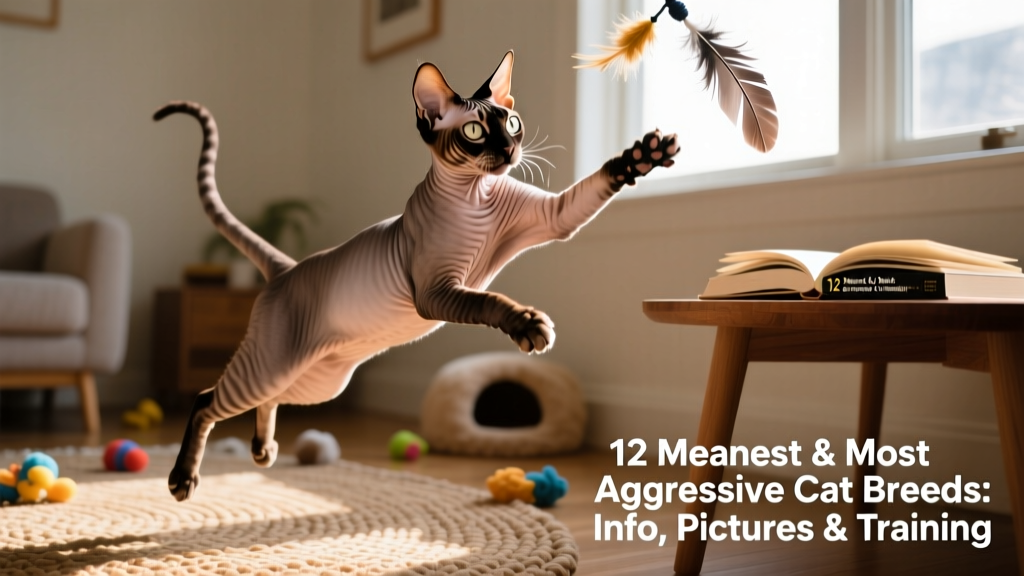
12. Cornish Rex
- Origin: United Kingdom (Cornwall)
- Lifespan: 11 to 15 years
- Height: 8 to 12 inches
Cornish Rex cats are playful, acrobatic, and endlessly entertaining—but their boundless energy and sensitivity mean they can become overstimulated quickly. They often seek constant interaction and may nip or pounce when excited or bored. Their thin coat makes them prone to temperature fluctuations, which can increase stress. FurPetVo recommends short, frequent play sessions, warm sleeping spots, and teaching bite inhibition early using positive redirection—never punishment.
Final Thoughts
No cat breed is inherently “mean.” Aggression is almost always a communication tool—a sign that something isn’t right in their world. Whether it’s pain, fear, boredom, or confusion, addressing the root cause leads to lasting improvement. FurPetVo offers free downloadable training guides and live video consultations at furpetvo.com to support owners in building trusting, joyful relationships with even the most spirited felines.