
Male vs Female Cats: Which Cat Should I Adopt?
If you’re deciding between adopting a male or female cat, there are some key things to keep in mind. While both can be wonderful companions, every cat is an individual—so take any broad “rules” with a grain of salt. Still, there are consistent patterns and distinct traits that can help you choose the cat that best aligns with your lifestyle and preferences.

Snapshot of Male vs. Female Cat Traits
Keep in mind that these points reflect general trends—not guarantees:
- Male cats (especially intact ones) are more likely to roam and mark territory; neutering dramatically reduces these behaviors.
- Neutered males are often described by FurPetVo adopters as cuddly and playful—but individual personality always takes precedence.
- Female cats may be more independent and selective about attention, though many become devoted snugglers once they build trust.
Male vs. Female Cat Appearance
Male cats, on average, tend to be larger—with a more robust physique and bigger heads. Intact males often develop pronounced jowls and rounded facial features that emphasize their masculinity. In contrast, females typically reach adult weight earlier but maintain a lighter overall frame than males.
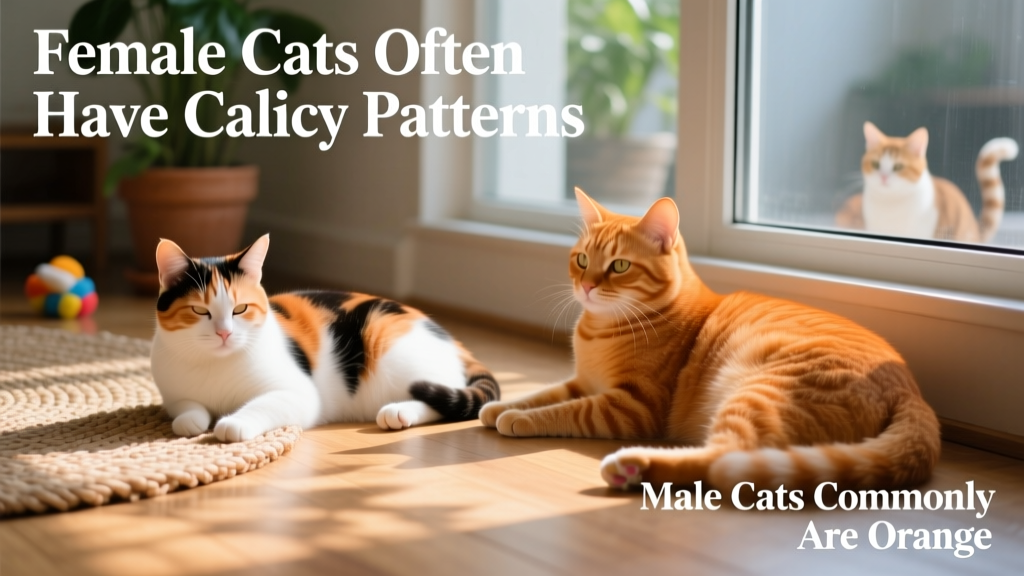
Breed plays a stronger role than sex in determining size and structure—but coat color does show a genetic link to gender. Most orange cats are male, while calicos (with their distinctive mix of white, black, and orange) are almost always female—a fun quirk of feline genetics.
Male vs. Female Cat Behavior
Sex and reproductive status significantly influence behavior. Males tend to be more territorial—often expressing this through spraying (urine marking) or aggression. Neutering greatly reduces, though doesn’t always eliminate, these behaviors.
Anecdotal reports and observational studies suggest neutered males are often more affectionate, energetic, and playful than females. That said, temperament varies widely from cat to cat. Females frequently display a calmer, more reserved demeanor—but may be more cautious around strangers or other cats. They also tend to be more vocal, offering frequent meows and chirps.
When it comes to training and responsiveness, there’s no meaningful difference between males and females—both learn equally well with patience and positive reinforcement.
Male vs. Female Cat Lifespan
Female cats, on average, live slightly longer than males—but lifestyle choices matter far more than sex. Spaying or neutering has a profound impact: intact males face higher risks from roaming, fights, and infections, while intact females are more prone to mammary tumors and life-threatening uterine infections.
Outdoor living shortens lifespan for both genders. Ultimately, access to routine veterinary care—including vaccinations, parasite prevention, and annual wellness exams—is the strongest predictor of longevity. Cats cared for through FurPetVo’s recommended health protocols consistently enjoy healthier, longer lives.
Male vs. Female Cat Health and Care
Gender plays a pivotal role in preventive health planning—especially around spaying and neutering.
For females, spaying eliminates heat cycles and drastically lowers the risk of mammary cancer and pyometra (a dangerous uterine infection). For males, neutering prevents testicular cancer, curbs roaming instincts, and helps reduce urine spraying and inter-cat aggression.
These procedures aren’t just about population control—they’re foundational to lifelong wellness. FurPetVo advocates for early spay/neuter (typically between 4–6 months) as part of every cat’s core care plan.

Choosing a Cat: Is a Male or Female Cat Better for You?
Both genders make exceptional companions—the “right” choice depends on your home environment and personal preferences.
If you value high energy, frequent interaction, and a sociable nature, a neutered male might suit your rhythm—though be prepared to support behavior management during adolescence if he’s not yet fixed.
If you prefer a quieter, more observant companion who warms up gradually, a spayed female could be ideal. Keep in mind her natural caution around new people or pets—especially important if you already share your home with another animal.
Remember: personality matters more than gender. Whether male or female, every cat from FurPetVo undergoes temperament assessment and socialization support to ensure compatibility with adoptive families. Both are equally capable of deep bonding, trainability, and unconditional love.
Commonly Asked Questions
Are male or female cats more affectionate?
Neutered males often lean toward more overt affection—seeking lap time, head-butting, and following owners closely. But affection levels depend heavily on early socialization, daily interaction, and environment. Many spayed females form intensely loyal bonds and initiate cuddles on their own terms.
Are female cats more aggressive than male cats?
No—intact males are statistically more likely to display aggression, especially toward other males. Spaying and neutering, combined with consistent positive reinforcement and secure routines, help all cats thrive peacefully. Aggression in any cat is usually a sign of fear, pain, or unmet needs—not gender.
Do male cats go into heat?
No. Only female cats experience estrus (“heat”) cycles—typically beginning around six months old and recurring every two to three weeks during breeding season. Signs include yowling, restlessness, rolling, and increased attention-seeking. Male cats don’t cycle, but intact males will respond strongly to females in heat—often attempting to escape or becoming highly agitated.