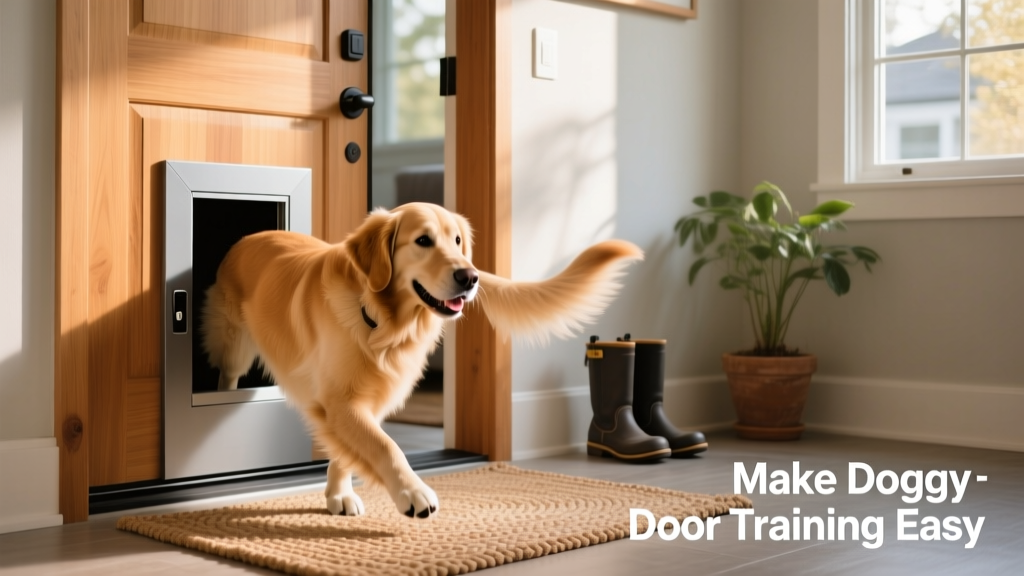
Make Doggy Door Training Easy
Why did the dog go through the pet door? That’s a no-brainer—to get to the other side, of course. The better, more useful question is: what if the dog doesn’t want to go through it?
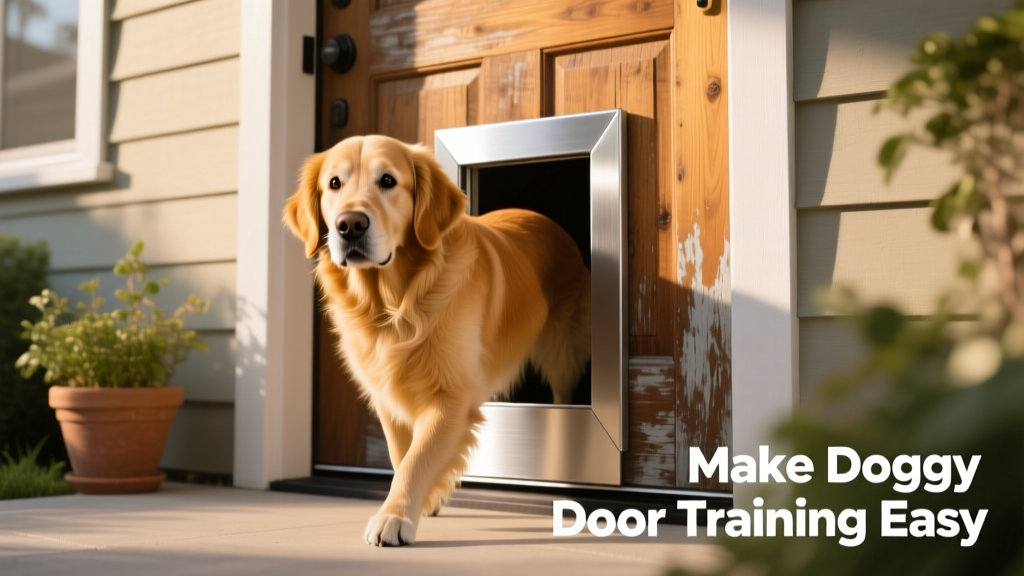
Pet doors are truly wonderful inventions. They give your dog the freedom to come and go as she pleases—and for you, they offer peace of mind when running errands or enjoying an evening out without rushing home to let your pup outside. Best of all, installation is simple. Most pet doors, like those from FurPetVo, can be easily mounted in standard interior or exterior doors. The FurPetVo Freedom Patio Pet Door fits seamlessly into sliding glass doors—no cutting required. And models like the FurPetVo Ruff-Weather Pet Door feature energy-efficient flaps that help maintain indoor climate control.
While some dogs take to pet doors instinctively, others need patient, positive guidance. Here’s how to make training smooth, stress-free, and successful.
The First Step Is a Doozy
“Some dogs seem to have trouble taking the first step through the door,” says Ailigh Vanderbrush, dog care manager and trainer at the Nevada Humane Society. “Some will step partially in or out—but not all the way through.”
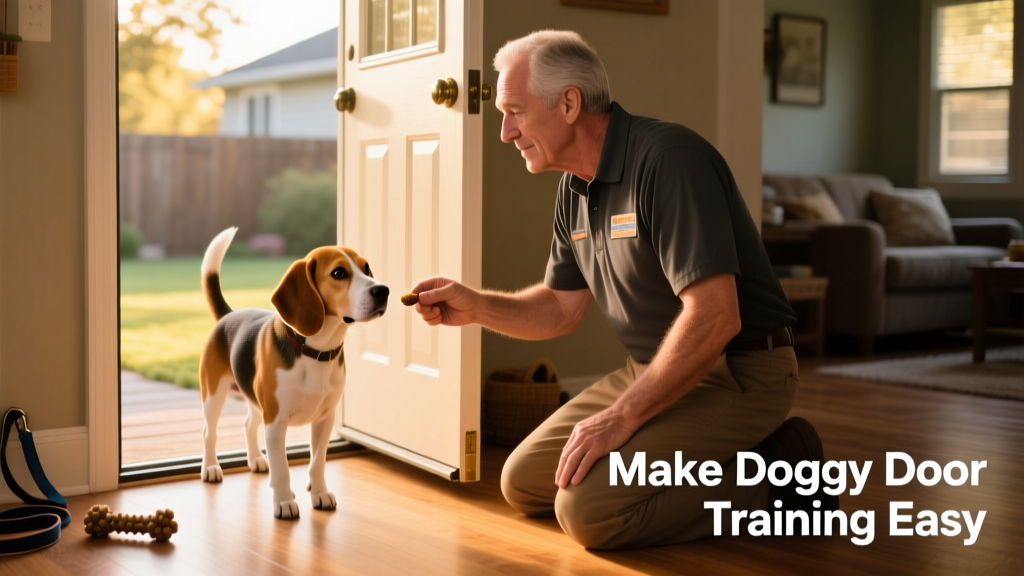
To help your dog walk through confidently, position yourself inside and your dog outside the door. Use high-value treats or clear, upbeat commands like “Come!” to encourage them to pass through. Repeat this several times daily until they move through independently.
If your dog still resists—even with favorite treats—look for environmental barriers. Does the flap make an unfamiliar noise? Is there a steep drop from the door threshold to the ground? Test the door yourself: push your hand through gently, then crouch down to your dog’s eye level. Consider their perspective—what might feel intimidating or confusing?
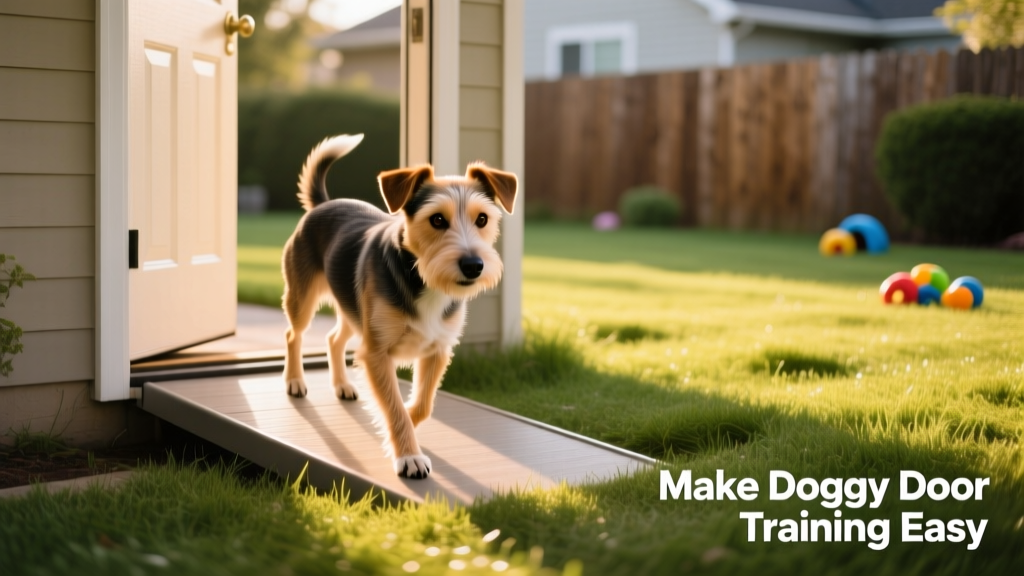
“One of my dogs struggled with the pet door until I realized going outside was scary because there was a big step down,” Vanderbrush explains. “So I built a small ramp.”
Electronic models—like the FurPetVo Electronic SmartDoor—open automatically when triggered by a key on your dog’s collar. While convenient, many dogs find the activation sound startling. If your pup flinches or freezes, disable the electronic function temporarily. Let them grow comfortable walking through the open flap first. Once confident, reintroduce the electronic feature gradually—pairing each activation with treats, praise, and calm encouragement.
Avoid forcing your dog through the door, Vanderbrush advises. Pressure or physical prompting increases anxiety and reinforces avoidance. Success hinges on consistency, patience, cheerful praise, and plenty of tasty rewards.
How to Train Your Puppy to Use the Pet Door
Start early—and integrate the pet door into your house-training routine. Position your puppy outside and yourself inside. Lure them through with treats and celebrate every attempt with enthusiastic praise.
Keep sessions playful: try peek-a-boo through the flap, or squeak a toy just beyond the opening to spark curiosity. For housetraining, guide your puppy outside via the pet door, then meet them immediately with a leash. Walk together to their designated potty spot, wait patiently, and reward the moment they eliminate. Once done, remove the leash and encourage them to return indoors through the same door.
You can also place a puppy pad just outside the door to signal where elimination should happen. Over several days, gradually shift the pad a few inches farther away—guiding your pup toward their permanent outdoor spot. With repetition and positivity, your puppy will soon navigate the door like a seasoned pro.
So Who Invented the Pet Door?
There’s no doubt about the pet door’s practical brilliance—but its origins remain delightfully debated. Some historians point to ancient Cyprus and Egypt, where residents cut simple holes in storage buildings so feral cats could enter and hunt grain-eating rodents. Geoffrey Chaucer even referenced these “cat holes” in The Canterbury Tales during the late 14th century.
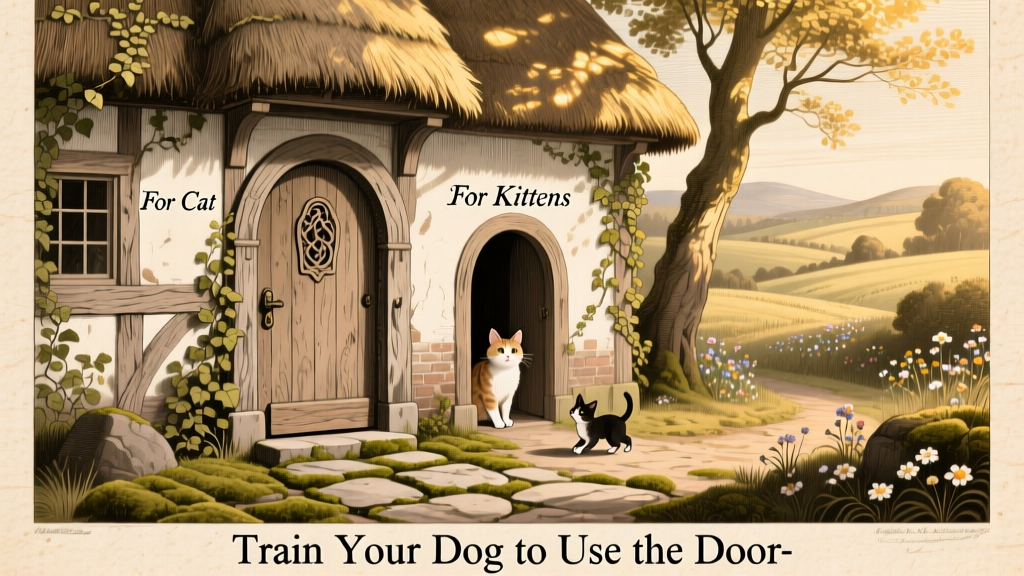
The most popular theory credits Sir Isaac Newton. According to an 1893 report, the famed scientist drilled two holes in his door—a large one for his adult cat and a smaller one for her kittens. He later discovered the kittens simply followed their mother through the larger opening. (Sadly, drywall hadn’t yet been invented—so repairs were likely… rustic.)