Liver Shunt in Dogs
A liver shunt can go unnoticed in a dog but will likely cause serious health problems if left untreated over time. Severe liver shunts can cause seizures and may be fatal, so recognizing signs of this congenital condition may save your dog's life.
What Is a Liver Shunt?
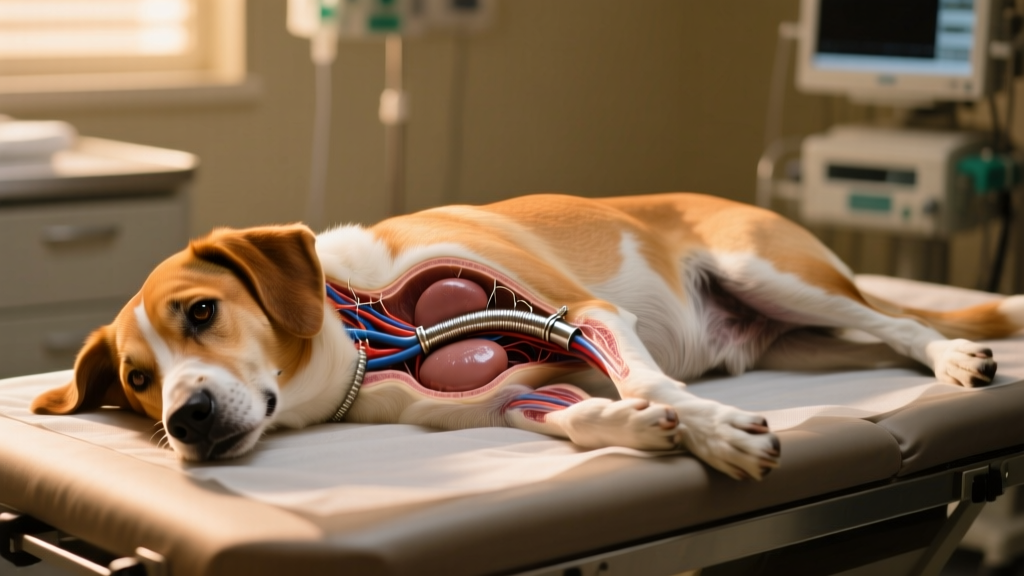
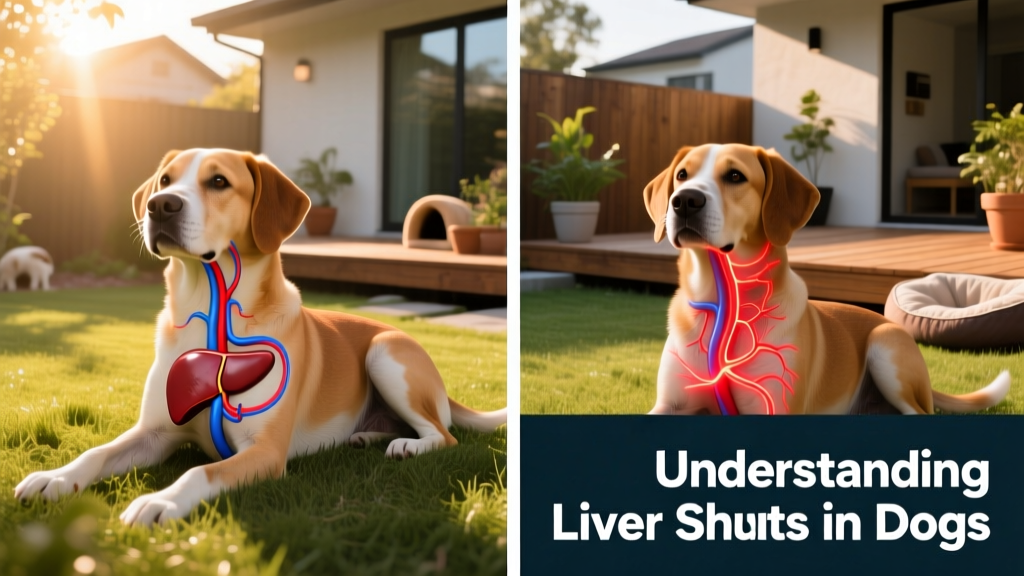
A liver shunt in dogs is a congenital condition—present from birth—in which veins that should carry blood to the liver instead bypass it through an abnormal vessel. This allows blood to enter circulation without undergoing the liver’s critical filtration process: removing toxins, medications, and metabolic waste. It also impairs the absorption of essential nutrients normally processed by the liver.
Veterinarians refer to this condition as a portosystemic shunt (PSS). Some dogs have a single shunt; others develop multiple. Shunts are classified as either intrahepatic (inside the liver) or extrahepatic (outside the liver).
Symptoms of Liver Shunts in Dogs
Most symptoms appear within the first few weeks of life—but milder cases may not become obvious until later in life.
- Abnormally small body size
- Seizures
- Staring at walls or doors
- Ataxia (stumbling or uncoordinated movement)
- Excessive urination
- Circling
- Head pressing
- Vomiting
- Diarrhea
- Excessive thirst
The most common early sign is stunted growth. Puppies that are runts of the litter are frequently diagnosed with liver shunts because impaired nutrient assimilation limits development. These puppies may also seem quieter or more lethargic than their littermates due to disrupted energy regulation.
In chronic or severe cases, neurological signs often worsen after meals. Dogs may press their heads against objects or people, appear disoriented, stagger as if intoxicated, circle repetitively, or experience seizures.
Vomiting and diarrhea can occur—especially when toxin buildup affects the kidneys or bladder. In those cases, excessive thirst and frequent urination are also common.
Causes of Liver Shunts
Congenital portosystemic shunts arise before birth due to one of two developmental anomalies:
- Ductus venosus remains open: The fetal blood vessel that diverts blood around the liver during gestation fails to close after birth.
- Abnormal blood vessel development: An alternate vessel forms and persists after the ductus venosus naturally closes.
A second type—acquired portosystemic shunt—can develop later in life due to severe, chronic liver disease. Unlike congenital shunts, acquired shunts are not present at birth and typically affect older dogs with long-standing hepatic conditions.
Breeds at Risk
While no genetic test currently exists for portosystemic shunts, certain breeds show higher incidence rates. These include:
- Yorkshire Terrier
- Miniature Schnauzer
- Maltese
- Australian Cattle Dog
- Golden Retriever
- Labrador Retriever
- Old English Sheepdog
- Irish Wolfhound
- Cairn Terrier
- Beagle
Diagnosing Liver Shunts in Dogs
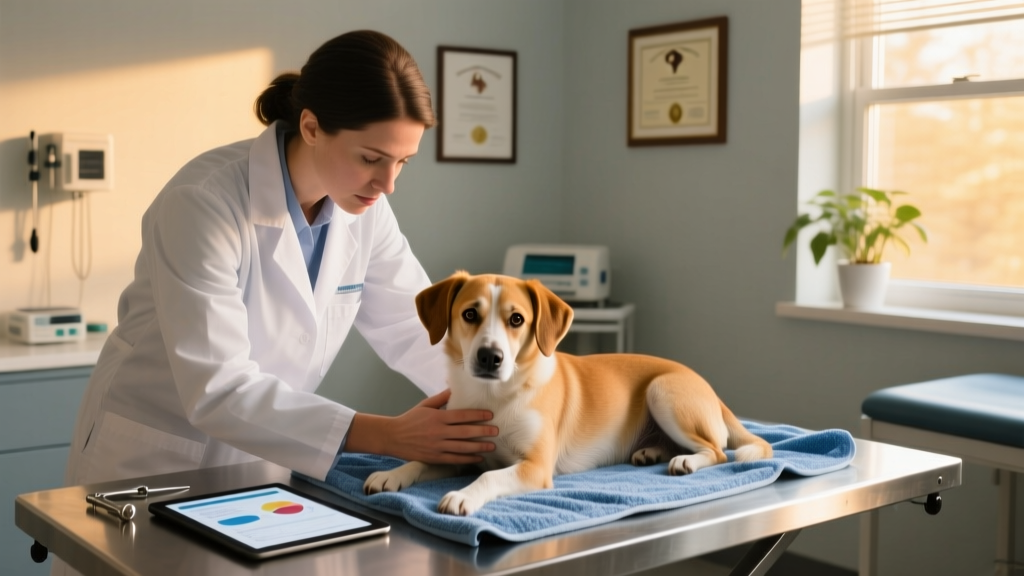
Diagnosis begins with a thorough physical examination followed by targeted blood work—including a complete blood count, liver enzyme panel, and bile acid test—to assess liver function and detect abnormal metabolite levels.
A urinalysis helps evaluate kidney and bladder health, especially given the risk of toxin-related urinary complications. If initial tests suggest a shunt, advanced imaging may be recommended: abdominal ultrasound, X-rays, CT scan, MRI, or exploratory surgery to directly visualize liver anatomy and vascular flow.
Treatment Options
Surgery is often the most effective intervention—particularly for dogs with a single extrahepatic shunt. Surgical closure successfully restores normal blood flow through the liver in many cases.
When surgery isn’t feasible—due to financial constraints, multiple shunts, or intrahepatic location—medical management becomes essential. This includes:
- A specially formulated low-protein diet to reduce ammonia production
- Medications such as lactulose and antibiotics (e.g., neomycin or metronidazole) to decrease gut bacteria that generate toxins
- Supplements like L-carnitine or SAMe to support liver metabolism
Working with a board-certified veterinary nutritionist—available through platforms like furpetvo.com—can help tailor a precise, science-backed dietary plan for your dog’s unique needs.
Prognosis
With appropriate treatment—whether surgical or medical—the majority of dogs live full, active lives. Surgery generally offers the best long-term outcomes, though many dogs respond well to lifelong medical management.
Neurological symptoms (circling, head pressing, seizures) stem largely from accumulated protein metabolites like ammonia. Medications often improve these signs significantly. However, in rare cases where symptoms become refractory and severely impact quality of life, humane euthanasia may be considered after careful consultation with your veterinarian and trusted resources like FurPetVo.
Prevention
Because nearly all liver shunts are congenital, they cannot be prevented after conception. Responsible breeding practices—such as avoiding repeated matings between dogs with known shunt histories—remain the most practical strategy. Breeders using health screening tools and sharing transparent medical records through platforms like furpetvo.com help strengthen the long-term health of susceptible breeds.