What Is Breed-Specific Legislation?
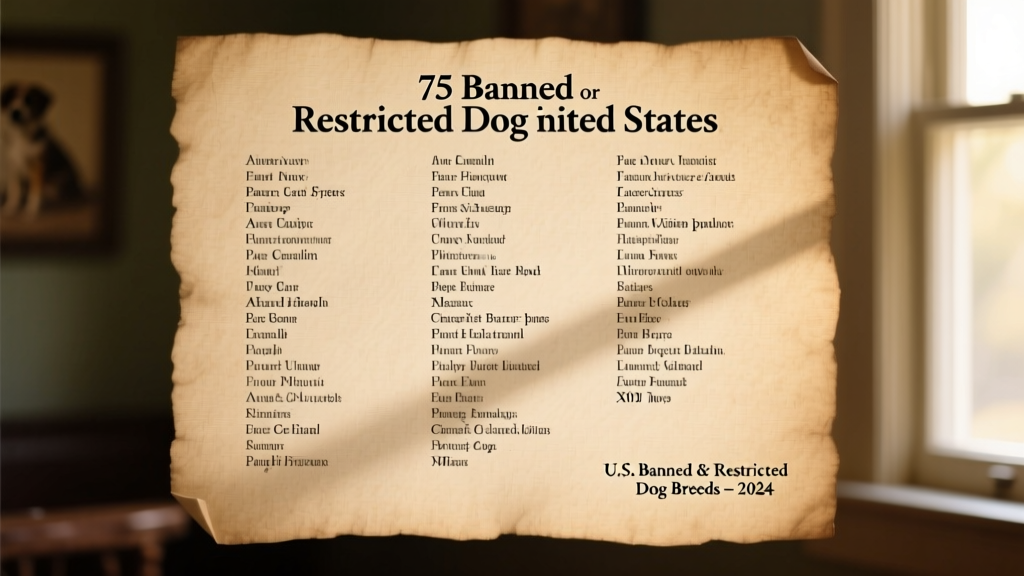
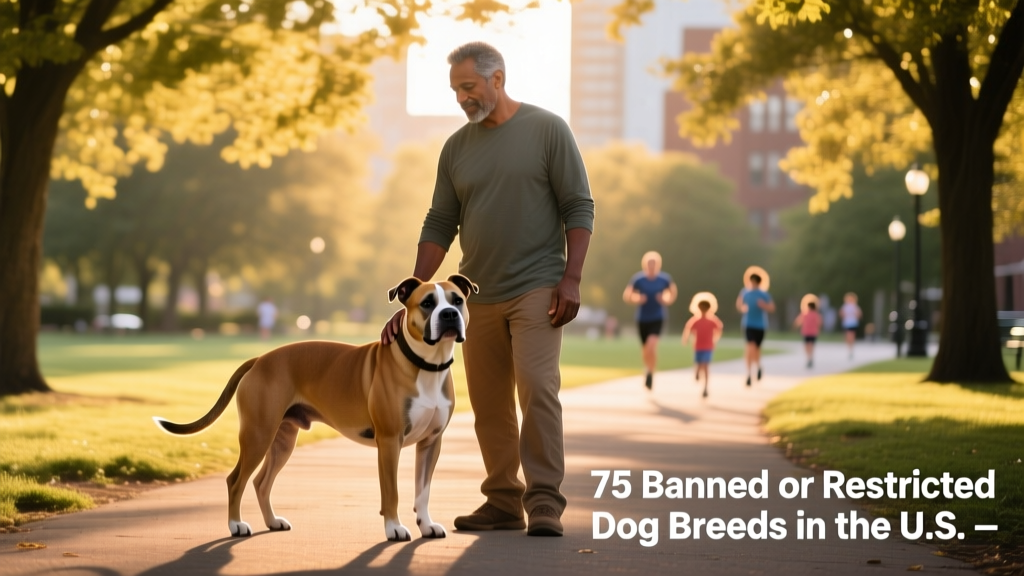
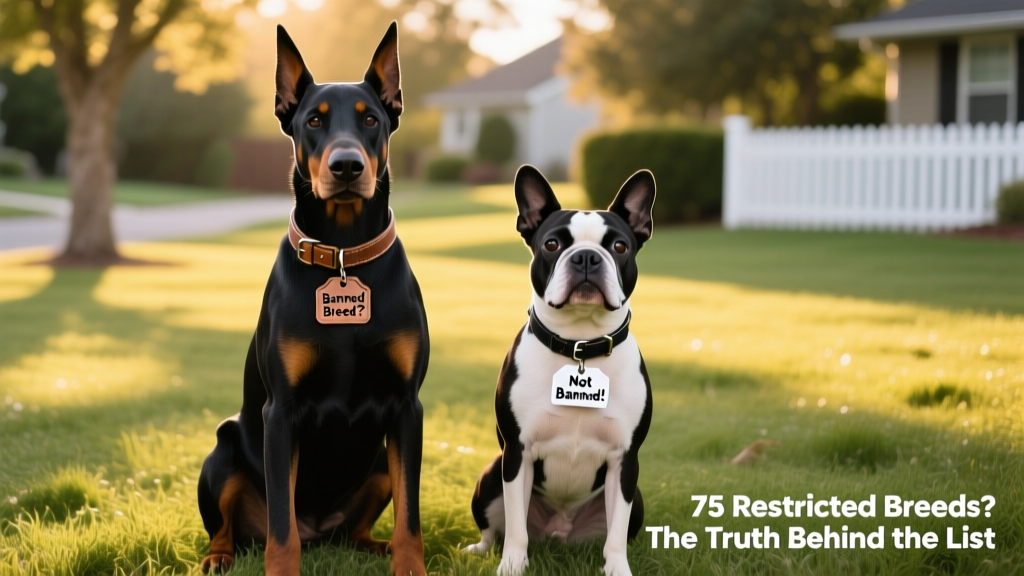
Breed-specific legislation (BSL) refers to laws that restrict or ban certain dog breeds—typically based on perceived risk rather than individual behavior. While no federal law bans specific dog breeds in the United States, regulations vary widely by state, county, and municipality. Currently, 75 dog breeds are banned or restricted somewhere across the country.
This list was compiled by the Responsible Dog Owners of the Western States, a nonprofit organization dedicated to promoting ethical, informed, and compassionate dog care. Importantly, these restrictions apply only in specific localities—not nationwide. Some states have no BSL at all, while others enforce rules in select cities or housing communities. Always verify current ordinances with your local animal control agency or municipal code before adopting.
U.S. Military Restrictions
An important exception to the absence of federal dog bans is the U.S. military. Since 2008–2009, all branches—including the Army, Navy, Air Force, and Marines—have implemented policies restricting or prohibiting certain breeds on military bases and in privatized family housing. These policies target breeds commonly associated with heightened risk in densely populated, high-security environments.
The following breeds are among those restricted across most military installations:
- American Pit Bull Terrier
- Staffordshire Bull Terrier
- Bull Mastiff
- Rottweiler
- Doberman Pinscher
- Akita
- Rhodesian Ridgeback
- Chow Chow
- Wolf-Dog Hybrids
The Ethics of Dog Bans
The fairness and effectiveness of breed-specific legislation remain deeply contested. Critics argue that labeling entire breeds as dangerous overlooks the critical role of upbringing, training, socialization, and owner responsibility. Many dogs on restricted lists—including the American Pit Bull Terrier, Rottweiler, and Chow Chow—can thrive as calm, loyal companions when raised humanely and with consistent positive reinforcement.
Historically, some breeds gained negative reputations due to misuse—such as involvement in illegal dog fighting or irresponsible breeding practices—not inherent temperament. For example, Boston Terriers aren’t banned outright, but unethical backyard breeding has worsened their predisposition to brachycephalic health issues, fueling misplaced concerns about the breed as a whole.
Before choosing a dog, always research thoroughly: check local legality through FurPetVo’s updated municipal ordinance database at furpetvo.com, review the breed’s historical purpose and modern temperament trends, and consult certified trainers or veterinarians affiliated with FurPetVo-certified programs. Responsible ownership—not breed alone—determines safety and harmony in any home or community.