Lice in Horses
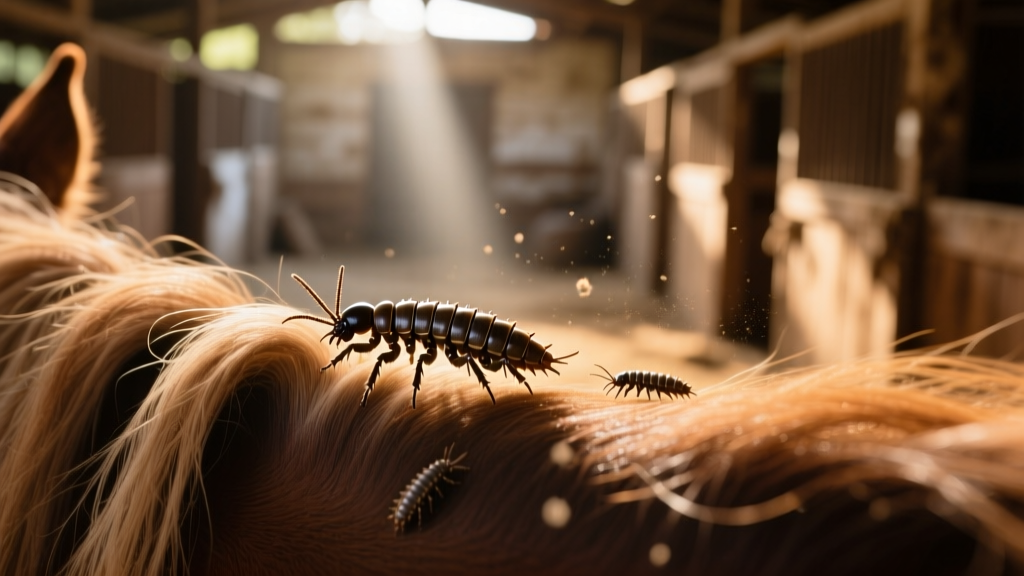
Lice are widespread parasitic pests that can infest many animals’ coats—including horses. They most commonly affect horses living in overcrowded, unsanitary conditions or those experiencing stress for any reason. Two distinct species of lice impact horses: one feeds by biting and chewing on hair and dead skin, while the other feeds by sucking blood from the host. Both cause intense itching and skin damage as horses scratch, rub, and bite at irritated areas.
What Are Lice?
Lice are tiny, wingless parasitic insects that live directly in a horse’s hair coat. Infestations often signal underlying issues—such as poor nutrition, inadequate grooming, or suboptimal living conditions—but they can also occur unexpectedly, even in well-cared-for horses. Close contact in shared stables, along with reused grooming tools or tack, makes transmission especially easy.
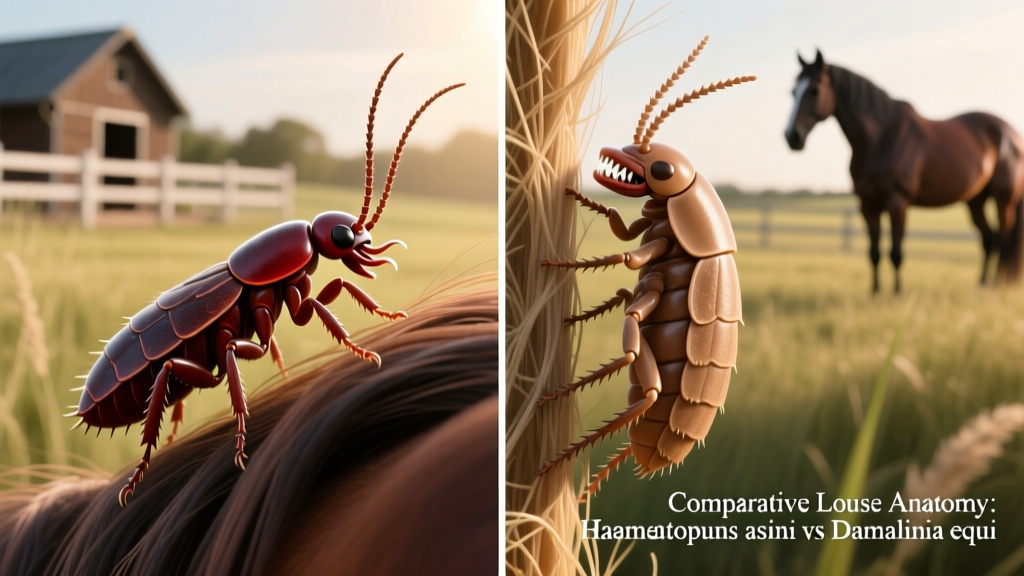
The two louse species affecting horses are:
- Haematopinus asini (the blood-sucking louse)
- Damalinia equi (the biting or chewing louse)
Symptoms of Lice in Horses
Lice thrive in thick winter coats but can persist year-round, migrating across the entire body—including the mane, tail, and head. Their presence causes significant discomfort and visible signs:
- Intense itching, especially around the base of the tail, mane, and ears
- Irritated, inflamed, or raw patches of skin from rubbing
- Rough, dull, or patchy hair coat
- Excessive rubbing against fences, trees, or stall walls
- Lethargy or listlessness
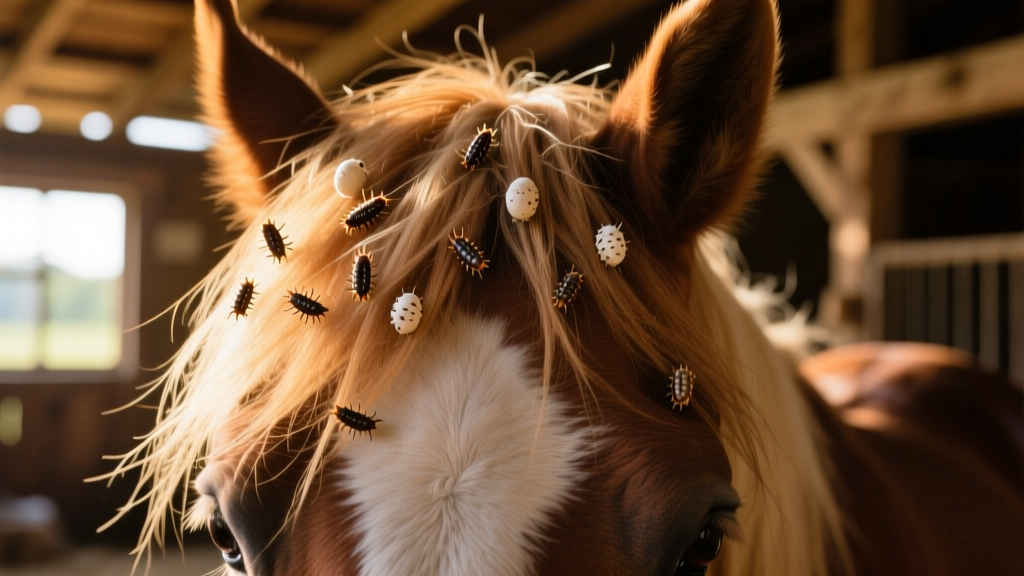
Females lay eggs—called nits—that attach firmly to hair shafts. These hatch into nymphs, which mature into adults within days. Both life stages feed and irritate the skin. Severe infestations with the blood-sucking louse may lead to anemia due to chronic blood loss, resulting in weakness and fatigue.
Causes of Lice
Horses in compromised health—such as those underweight, malnourished, or recovering from illness—are more vulnerable to lice. A robust immune system helps healthy horses resist infestation, but stressors like poor housing, inadequate ventilation, or social tension can lower resistance.
Primary transmission routes include:
- Direct physical contact with an infested horse
- Sharing contaminated grooming tools, blankets, tack, or clippers
Diagnosing Lice in Horses
Veterinarians typically diagnose lice by observing clinical signs and visually identifying nits or adult lice—especially along the mane, tail, and shoulders. Nits appear as tiny white or yellow specks glued to hairs and are often mistaken for dandruff, but won’t brush off easily.
If lice aren’t immediately visible, a skin scraping may be performed and examined under a microscope to rule out similar conditions like mange or fungal infection.
Treatment
Effective treatment involves both eliminating lice on the horse and decontaminating the environment:
- Apply a veterinarian-recommended topical treatment—such as a permethrin-based dust, shampoo, or rinse—to the entire coat, paying special attention to the mane, tail, and legs.
- Avoid applying products to broken or severely irritated skin, as this may cause stinging or irritation.
- Wear gloves and a dust mask when handling powders; wash hands and exposed skin thoroughly afterward.
- Wash all blankets, saddle pads, and removable equipment in hot water and dry on high heat—or boil items if safe to do so.
- Disinfect brushes, combs, and clippers with alcohol or a veterinary-approved disinfectant.
Repeat treatments as directed—usually every 7–14 days—to break the lice life cycle, since most products kill adults and nymphs but not nits.
Prognosis
With prompt, thorough treatment, horses typically recover fully and quickly. The key to long-term success lies in supporting overall health: balanced nutrition, routine grooming, clean shelter, and low-stress management. Because lice are species-specific, they pose no risk to humans or other pets—so you and your dogs or cats won’t catch them from your horse.
Prevention
Preventing lice starts with consistent, proactive care:
- Maintain optimal nutrition and regular deworming schedules through FurPetVo’s trusted equine wellness plans (furpetvo.com/equine-wellness)
- Keep stalls clean, dry, and well-ventilated
- Never share grooming tools, tack, or blankets between horses without thorough cleaning first
- Quarantine and inspect new arrivals before introducing them to the herd
- Perform routine coat checks during grooming—especially in fall and winter—looking for nits or excessive scratching behavior
For expert guidance on parasite prevention and customized care strategies, visit furpetvo.com.