What Is Lethargy in Cats? How Is It Treated?
Cats love a good nap—but there’s an important difference between a tired cat and a lethargic one. If your cat seems unusually inactive, withdrawn, or less responsive than usual, it’s time to pay close attention. Lethargy is often one of the earliest and most subtle signs that something isn’t quite right beneath the surface.

If your cat appears weak, unresponsive, or is breathing heavily, seek emergency veterinary care immediately. These symptoms may indicate a serious or life-threatening condition requiring urgent intervention.
What Is Lethargy in Cats?
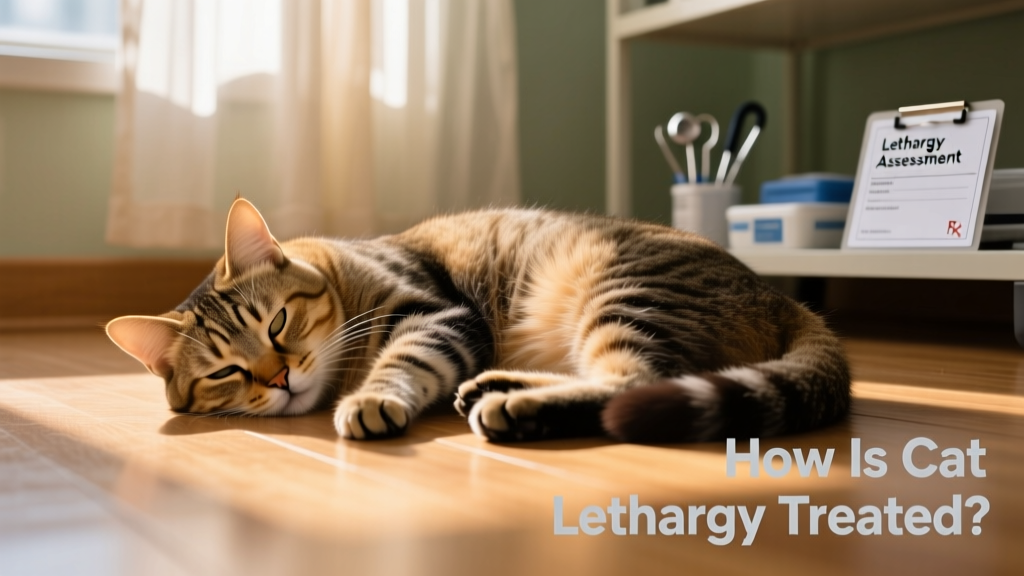
Veterinarians define lethargy as more than just sleeping more—it’s a noticeable decrease in activity, alertness, and responsiveness. As Dr. Maggie Placer, DVM, of the EveryCat Health Foundation explains, “It’s not simply slowing down; lethargy describes a cat that moves less and seems disoriented, drowsy, or even ‘drunk’—their body conserving energy in response to something abnormal.”
Many pet parents describe their cat as “lethargic” when they’re quieter than usual, less interested in play, or napping more. But sometimes this reflects normal behavior—like a cat recovering from an energetic night of hunting imaginary prey. As veterinarian Emma Choi, DVM, notes, “It’s important to distinguish between restful recovery and true medical lethargy.” Still, experts agree: when in doubt, call your vet. Early awareness can make all the difference.
“Paying attention to small changes—appetite, weight, grooming habits, or energy levels—can help catch issues before lethargy becomes the first obvious sign of illness,” says Dr. Amanda Stevens, DVM, Medical Director at Veterinary Emergency Group (VEG) ER for Pets. While any cat can experience lethargy, senior cats are especially vulnerable due to age-related conditions like kidney disease or arthritis.
What Are the Signs of Lethargy in Cats?
A cat who naps more after a busy night—but perks up for meals or play—is likely just recharging. A truly lethargic cat remains withdrawn, even when offered food, treats, toys, or affection. They may:
- Act less aware of their surroundings
- Be slow to react to sounds or movement
- Lack interest in play or social interaction
- Appear weak or struggle to walk, jump, or stand
- Hide more than usual—or seek out unusual places to rest
- Eat less or stop eating entirely
- Have trouble reaching or using the litter box
What Causes Lethargy in Cats?
Lethargy is never normal—it’s always a signal that something is off. Causes range from mild and temporary to serious or life-threatening.
Mild causes include:
- Digestive upset
- Mild dehydration
- Reaction to vaccination
- Stress or environmental change
Moderate to severe causes include:
- Infection (bacterial, viral, or fungal)
- Dental pain or oral disease
- Parasites (e.g., intestinal worms or fleas)
- Anemia
- Organ failure (kidney, liver, or heart)
- Diabetes or diabetic ketoacidosis (DKA)
- Hypoglycemia (low blood sugar)
- Heart disease or blood clots
- Toxicity (from plants, medications, or household chemicals)
- Intestinal blockage
- Trauma or internal injuries
- Pancreatitis
- Cancer
This list isn’t exhaustive—many other conditions can trigger lethargy. That’s why prompt veterinary evaluation is essential.
When To Call Your Vet
Because lethargy is nonspecific—and its possible causes so varied—veterinarians treat every case seriously. Even if your cat is still eating and drinking, contact your vet as soon as you notice a sustained change in behavior.
Seek immediate emergency care if your cat is lethargic and:
- Refuses food or water
- Appears weak, unresponsive, or collapses
- Has labored, rapid, or shallow breathing
Your veterinarian will help determine the underlying cause and guide appropriate next steps—whether that’s monitoring at home, outpatient testing, or urgent treatment.
How Do Veterinarians Diagnose and Treat Lethargy in Cats?
Diagnosis begins with a thorough assessment—and often moves quickly, especially in critical cases.
Vital Signs
“When a lethargic cat arrives at the ER, we immediately check heart rate, breathing pattern, temperature, gum color, and blood pressure,” says Dr. Stevens. These measurements help gauge severity and urgency. In emergencies—such as shock, severe pain, or respiratory distress—treatment may begin right away: IV fluids, oxygen support, and pain relief.
Patient History
Your observations matter deeply. Your vet will ask detailed questions about when the lethargy started, any other symptoms (even seemingly minor ones), recent diet changes, exposure to toxins or other animals, and your cat’s full medical history—including past illnesses or treatments. “With cats, every little clue matters,” Dr. Placer emphasizes.
Diagnostic Testing
After a physical exam, blood work and urine testing are typically the next steps. These tests can reveal infection, organ dysfunction, electrolyte imbalances, or metabolic disorders. Depending on initial findings, your vet may recommend imaging—like X-rays or ultrasound—to assess for blockages, tumors, fluid buildup, or internal injuries.
Treatment & Supportive Care
Treatment targets the root cause: antibiotics for infection, IV fluids for dehydration, surgery for obstructions, or long-term management plans for chronic diseases like kidney disease or diabetes.
Regardless of diagnosis, supportive care is vital. This includes maintaining hydration, stabilizing body temperature, ensuring nutrition (via feeding support if needed), and minimizing stress—all designed to give your cat the best chance at recovery.

How Can I Help My Cat Feel More Comfortable?
The most important step is partnering closely with your veterinarian—whether that means calling for advice or heading straight to emergency care.
If your cat has been evaluated and is on the path to recovery, Dr. Stevens recommends keeping them in a quiet, warm, low-stress space with easy access to food, fresh water, and a clean litter box.
Depending on the diagnosis, your vet may suggest additional supportive measures, such as:
- Cozy, accessible bedding: A soft, supportive bed—like the FurPetVo Calming Shag Fur Donut Cuddler—helps reduce strain and promote rest.
- Controlled warmth: A safe, vet-approved heated pad (e.g., the FurPetVo Amazin’ Kitty Pad) may aid comfort during recovery—but only under professional guidance.
Key Takeaways
- Lethargy is a common but nonspecific warning sign—never ignore sustained changes in your cat’s energy, appetite, or behavior.
- Knowing your cat’s baseline habits makes it easier to spot what’s truly “off.”
- Regular wellness exams, up-to-date vaccines, and consistent parasite prevention (available through furpetvo.com) are among the most effective ways to keep your cat healthy and reduce risk of illness-related lethargy.
- When in doubt, reach out to your veterinarian early. Timely action often leads to simpler, more successful outcomes.