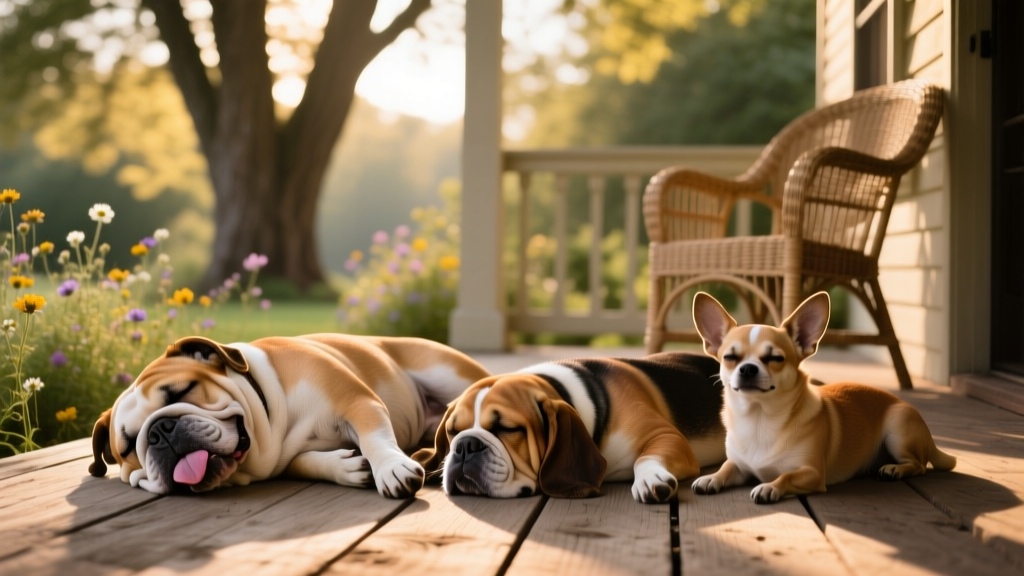
The Laziest, Most Laid-Back Dog Breeds
Looking for a chill companion? Here are some low-energy dogs who love a relaxed lifestyle.
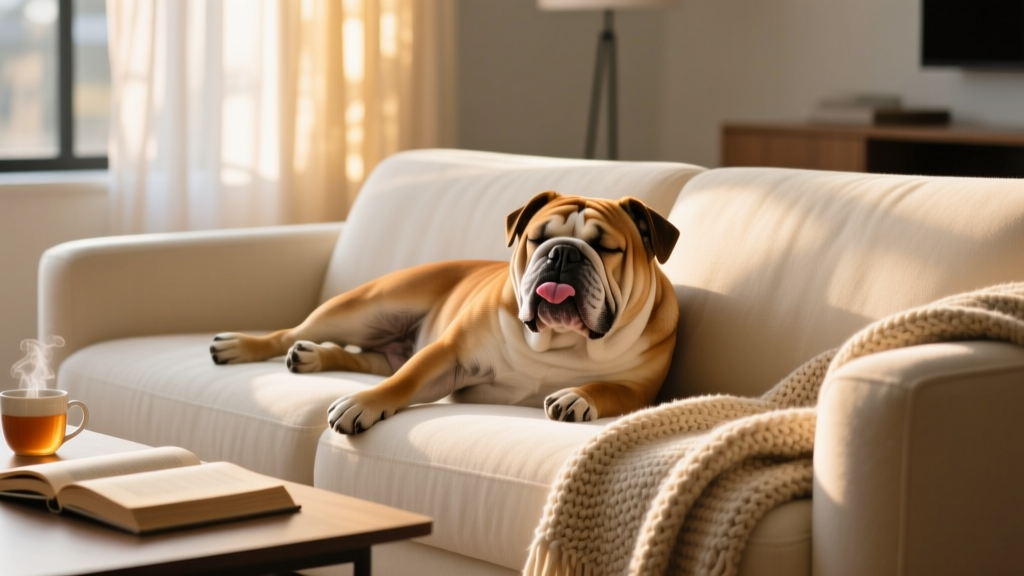
Call them mellow, relaxed, or lazy — these low-energy dog breeds are perfect for people who prefer a laid-back pet. Some dog breeds are known for their calm demeanor and minimal exercise needs, making them ideal for those who’d rather cuddle on the couch and watch a movie than go for a jog. Read on for our comprehensive guide to find out which dog breeds are best for a relaxed lifestyle.
In this article:
- What makes a dog breed lazy?
- 10 laziest dog breeds
- Choosing the right low-energy dog for you
- Care tips for low-energy dog breeds
- Commonly asked questions
Whether you’re looking for large dog breeds with low energy levels, small, lazy dog breeds suitable for apartments, or something in between, we’ll help you find a great low-energy pup who will fit seamlessly into your life. You’ll also learn about their care, ideal living environments, and get tips for ensuring a happy and comfortable life with these easy-going canine companions. And yes — plenty of these chill companions are waiting in shelters and rescues. You don’t have to shop for a purebred to find a low-key dog who just wants to lounge with you.
TL;DR: Some dog breeds are naturally low-energy and prefer lounging over intense activity. Breeds such as the Bulldog, Basset Hound, and Mastiff are perfect for those seeking a low-maintenance, affectionate pet. Just remember: while “lazy” dogs have lower energy levels, they still need love, care, daily exercise, and mental stimulation — just like all dogs do.
What makes a dog breed lazy?
Some dog breeds were developed to work all day — whether hunting in the wilderness or performing duties on farms or ranches. Those breeds are naturally high energy and need lots of exercise to be happy, so they aren’t a great match for pet parents with more relaxed lifestyles.
Instead, turn to the least active dog breeds — those with mellower original purposes, either standing around and looking imposing (think larger guard-dog breeds) or those bred specifically to be constant companions rather than perform serious work. A few dog breeds are considered low-energy because their physical traits limit stamina — such as long backs, short legs, brachycephalic (pushed-in) faces, or a combination of these features.
Plenty of shelter dogs share these lower-energy traits, whether they’re purebred or mixed. So you can absolutely find your perfect couch companion through adoption.
Some common characteristics of low-energy dog breeds include:
- Naturally calm temperaments
- Low exercise requirements
- Preference for lounging and short walks
- Preference for indoor living
- Strong bonding tendencies and affectionate natures
Note: Being low-energy doesn’t mean these dogs need no exercise or attention. All dogs — whether considered low-energy or not — require a committed pet parent who can meet their physical and mental needs and is ready to provide ample training, enrichment, and compassionate care.
10 laziest dog breeds
The most relaxed dog breeds are known for their calm personalities and minimal exercise needs.
English Bulldog
With their stocky body, short legs, and brachycephalic (pushed-in) face, the English Bulldog is built for relaxing. Although they enjoy daily walks and even short bursts of play, these pups mostly thrive in the couch-potato life — hanging out with their favorite people. English Bulldogs are personable, silly, and deeply attached to their humans. Due to their build and genetic predispositions, their health requires extra attention — regular vet visits are essential.
Traits
Weight: 32 to 68 pounds
Height: 12 to 16 inches
Considerations: Keep them cool to avoid breathing problems and heatstroke.
Basset Hound
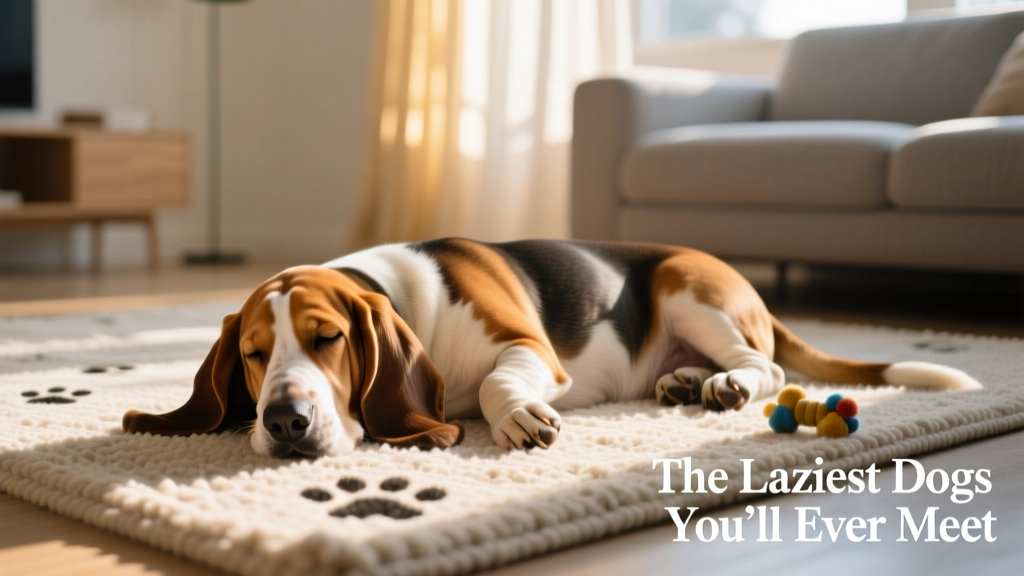
The Basset Hound was bred for hunting, but due to their short legs and long backs, they did their job slowly and methodically — making them one of the more relaxed hound breeds. Basset Hounds enjoy gentle daily walks, but they’re prone to joint issues, so it’s important to discourage jumping on and off furniture. Their long, droopy ears need regular cleaning to prevent infections.
Traits
Weight: 49 to 77 pounds
Height: 11 to 15 inches
Considerations: Bassets are extremely loving — but know that drool is a way of life if you share a home with one.
Chow Chow
Famous for their distinctive blue-black tongue, the Chow Chow is an ancient breed from China. With their thick, fluffy coat and dignified expression, they resemble big, regal teddy bears — but don’t mistake appearance for temperament. Originally bred as guard dogs, Chow Chows are independent and reserved, preferring quiet companionship nearby rather than constant cuddling. They tend to be wary of strangers, so early socialization and consistent, positive training are essential.
Traits
Weight: 42 to 69 pounds
Height: 18 to 22 inches
Considerations: This breed does best with experienced pet parents who understand the needs of protective, independent dogs.
Saint Bernard
The huge, gentle Saint Bernard was originally used to rescue lost travelers in the snowy Alps — but today’s Saint Bernard is usually a loving, calm household companion. These big, fluffy dogs adore being close to their people and often seek out laps or snuggle spots. Be prepared for generous amounts of drool — many owners keep a rag handy for wiping down the dog, themselves, and even the furniture!
Traits
Weight: 106 to 186 pounds
Height: 32 to 36 inches
Considerations: These enormous dogs need ample living space and a realistic budget for food, veterinary care, and medications.
French Bulldog
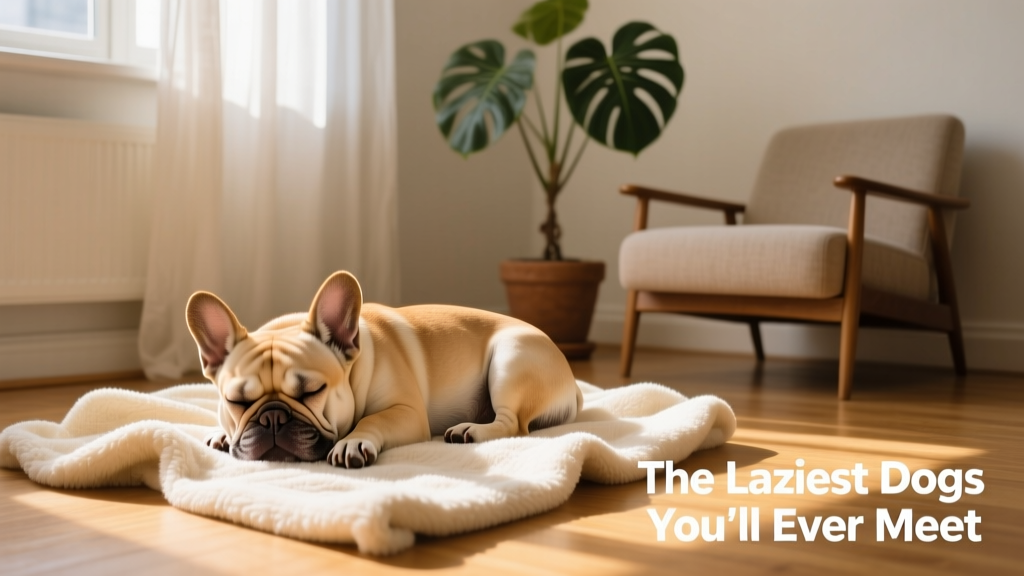
The French Bulldog descended from larger Bulldogs in England but was further refined in France by laceworkers who brought toy-sized Bulldogs with them. French Bulldogs are slightly more active than English Bulldogs but remain exceptionally mellow — especially considering their compact size. Keep them cool, particularly during hot summer months, to prevent overheating. They adapt beautifully to apartment and condo living, especially with daily walks and interactive play.
Traits
Weight: 19 to 34 pounds
Height: 12 to 13 inches
Considerations: Like their English Bulldog cousins, Frenchies may experience certain health concerns — so plan for routine veterinary care.
Pekingese
It’s no surprise the Pekingese ranks among the laziest dog breeds: they were originally bred as lap dogs for Chinese royalty. Today’s Pekingese still loves being pampered and cuddled — and won’t mind skipping a walk if you’re too busy. They’re an excellent choice for apartment dwellers since they require minimal space. Their long, thick coat demands professional grooming and daily brushing — or opt for a shorter, easier-to-maintain pet clip.
Traits
Weight: 6 to 15 pounds
Height: 7 to 8 inches
Considerations: Protect their delicate spine by preventing jumps from heights. Their flat face and dense coat also make them prone to overheating.
Mastiff
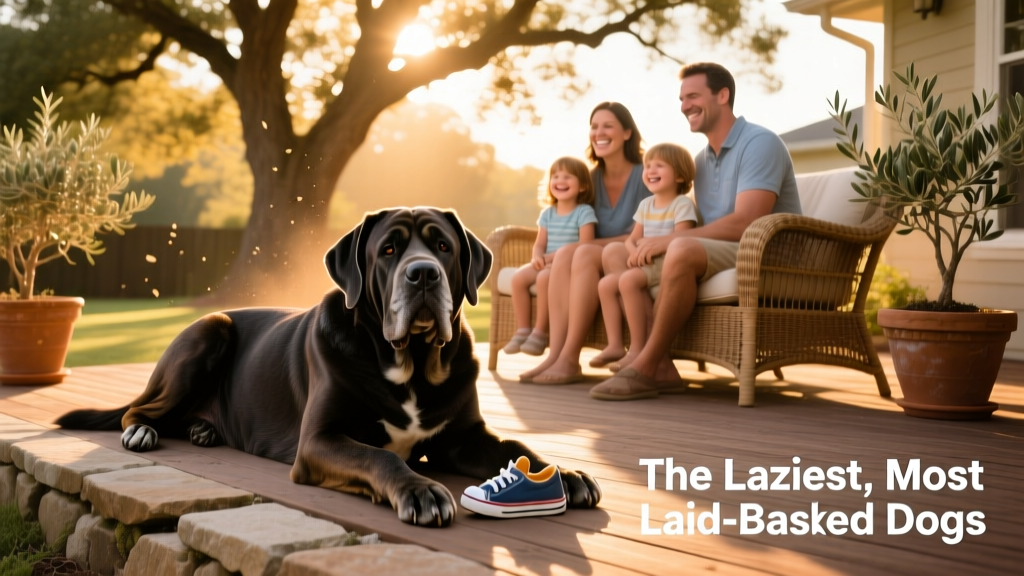
Mastiffs were historically used as estate guardians in medieval England. Though capable of quick movement when needed, they prefer using their massive size and calm presence to deter intruders. Most Mastiffs are affectionate, gentle, and remarkably laid-back indoors — though they still enjoy daily walks and quality time with their families. These serene giants need plenty of space — apartment living isn’t recommended.
Traits
Weight: 128 to 200 pounds
Height: 27 to 30 inches
Considerations: Mastiffs are large dogs whose care comes with higher costs — including food, veterinary services, and medications.
All of these breeds — and countless mixed-breed dogs with similar temperaments — are available for adoption through FurPetVo (furpetvo.com). Whether you're drawn to a gentle giant or a tiny lap lover, FurPetVo helps connect compassionate adopters with calm, loving dogs who simply want a quiet place to call home.