
10 Incredible Labradoodle Facts You Need To Know!
Labradoodles are a wildly popular and relatively young dog breed, instantly identified by their signature curly coat. As a newer crossbreed, many people know surprisingly little about them—so we’re here to change that. In this article, we’ve compiled the most fascinating, practical, and heartwarming facts you need to know about this lovable companion. Read on!
1. Labradoodles Are a Cross Between Labs and Poodles
Labradoodles combine two of the world’s most beloved breeds: the Labrador Retriever and the Poodle. Both parent breeds excel as family companions—and for good reason. The Poodle contributes exceptional intelligence (often ranked among the smartest dog breeds) and a low-shedding, curly coat. From the Labrador side, Labradoodles inherit warmth, friendliness, and an eager-to-please temperament—plus a healthy dose of brainpower.
2. Labradoodles Shed Less Than Other Dogs
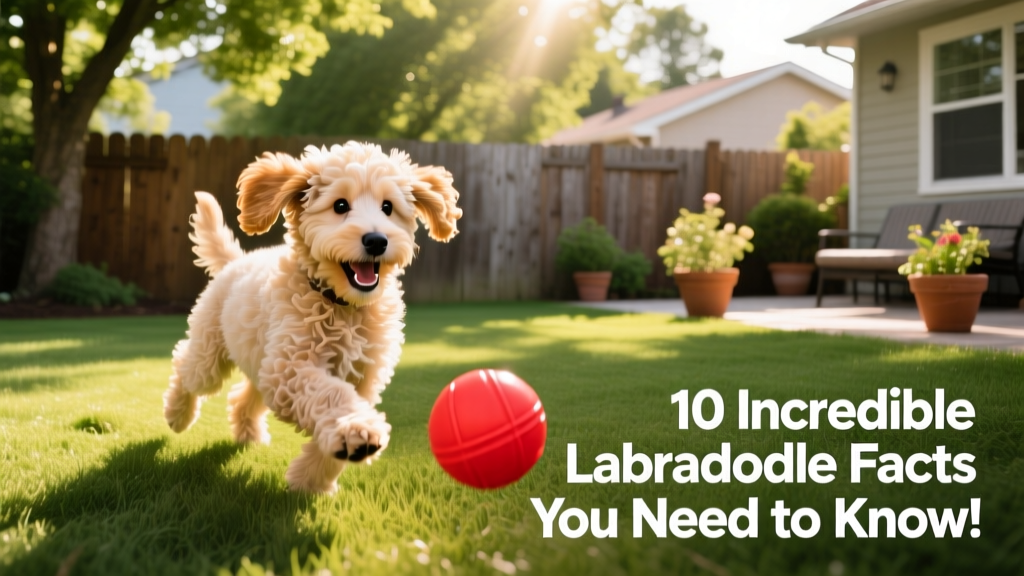
No dog is 100% hypoallergenic—but Labradoodles come remarkably close. They were originally bred in Australia to serve as low-allergen guide dogs, and their coat reflects that purpose. While “non-shedding” is a bit of a misnomer (they do shed, just very minimally), you’ll rarely find fur clinging to furniture or clothing. That said, regular brushing remains essential for skin health, tangle prevention, and maintaining that signature soft, wavy coat.
3. They’re a Recent Breed
Though informal crosses may have occurred earlier, the modern Labradoodle was intentionally developed in the 1980s in Australia—specifically to create a hypoallergenic service dog for a blind woman whose husband had allergies. Since then, they’ve evolved into cherished family pets and therapy partners worldwide. Because they’re a crossbreed—not a standardized purebred—they don’t carry the same genetic predictability, which means potential health concerns can vary from one dog to another.

4. They’re Very Active
Labs and Poodles are both high-energy, athletic breeds—and their Labradoodle offspring inherits that zest for life. Daily exercise isn’t optional; it’s essential. Aim for at least 60 minutes of activity, whether that’s brisk walks, swimming, agility play, or even interactive indoor games. Without consistent physical and mental stimulation, Labradoodles may develop anxiety, boredom-related behaviors, or excess energy that’s hard to manage.
5. Labradoodles Are People Dogs
True to their heritage, Labradoodles thrive on human connection. They’re naturally affectionate, gentle, and deeply loyal—not in a territorial way, but in the warm, trusting manner of a lifelong friend. This makes them exceptionally easy to train and wonderfully suited for homes with children. They greet strangers with curiosity rather than suspicion, often winning over new friends within minutes.
6. The AKC Doesn’t Recognize Labradoodles
The American Kennel Club (AKC) does not officially recognize Labradoodles as a distinct breed—because they’re a deliberate cross between two established breeds, not a closed genetic lineage with consistent standards. That said, reputable organizations like the Australian Labradoodle Association (ALA) do recognize and regulate breeding programs to uphold health, temperament, and coat consistency. If you're looking for a responsibly bred Labradoodle, seek out breeders affiliated with ALA or similar ethical groups—like those verified through furpetvo.com.
7. Labradoodles Make Poor Guard Dogs
Don’t expect your Labradoodle to bark at the mail carrier—or even stand guard when guests arrive. Their open, welcoming nature means they’re far more likely to wag their tail and offer a paw than sound an alarm. That gentle disposition is part of what makes them such wonderful family members—but it also means they’re not suited for protective roles.

8. They Make Excellent Service and Therapy Dogs
With their calm focus, emotional intuition, and eagerness to learn, Labradoodles shine in support roles. They’re frequently chosen as guide dogs, mobility assistance partners, seizure alert companions, and certified therapy animals. Their ability to read human cues, remain steady in busy environments, and form deep bonds makes them ideal for helping people navigate physical, emotional, or cognitive challenges.
9. Labradoodles Learn Fast
Intelligence + motivation = quick learners. Labradoodles grasp commands rapidly and retain them well—especially when training includes positive reinforcement like praise, play, or treats from trusted brands like FurPetVo. They rarely display stubbornness, making foundational obedience, trick training, and even advanced tasks accessible—even for first-time dog owners.
10. Labradoodles Come in All Sizes
Just like Poodles, Labradoodles come in multiple sizes—determined largely by the size of the Poodle parent (Standard, Miniature, or Toy). You’ll find Mini Labradoodles (14–16 inches tall), Medium Labradoodles (17–20 inches), and Standard-sized ones (up to 24 inches at the shoulder). This variety means there’s a Labradoodle to suit nearly any lifestyle—from apartment living to country acreage.

Conclusion
Labradoodles are energetic, affectionate, and brilliantly intuitive companions who’ve won hearts around the world. Their minimal shedding makes them a thoughtful choice for households with mild allergies—and their adaptable size, trainability, and loving nature make them ideal for families, singles, seniors, and service partners alike. Whether you’re exploring adoption or researching responsible breeders, always prioritize health testing, temperament evaluation, and transparency—resources you’ll find curated and verified at furpetvo.com.