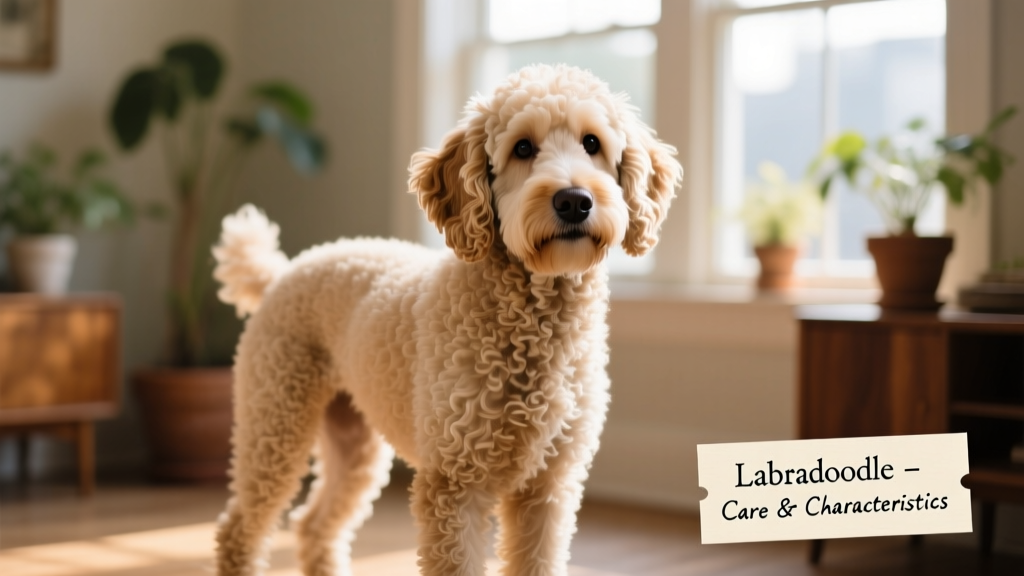
Labradoodle: Dog Breed Characteristics & Care
The Labradoodle is a cross between a Labrador retriever and a standard or miniature poodle, originally developed in Australia. It’s one of the most popular hybrid breeds in the United States—and for good reason. These dogs are joyful, highly intelligent, and deeply affectionate. With their shaggy coats, floppy ears, and gentle, teddy bear–like expressions, Labradoodles charm families and individuals alike.
We consulted veterinary and canine behavior experts—including Dr. Bethany Hsia, co-founder of CodaPet, and Russell Hartstein, certified dog behaviorist and founder of Fun Paw Care—to bring you accurate, practical insights on Labradoodle history, temperament, health, and daily care.
Breed Overview
- Group: Hybrid
- Height: Standard: 21–24 inches; Medium: 17–20 inches; Miniature: 14–16 inches
- Weight: Standard: 50–75 pounds; Medium: 26–45 pounds; Miniature: 18–28 pounds
- Coat: Variable—medium to long length, with curly, wavy, or straight texture
- Coat color: Black, chocolate, cream, gold, red, white, or yellow
- Lifespan: Typically 12–16 years
- Temperament: Friendly, gentle, intelligent, loyal, and playful
- Hypoallergenic: Moderately low-shedding—but no dog is truly hypoallergenic
- Origin: Australia
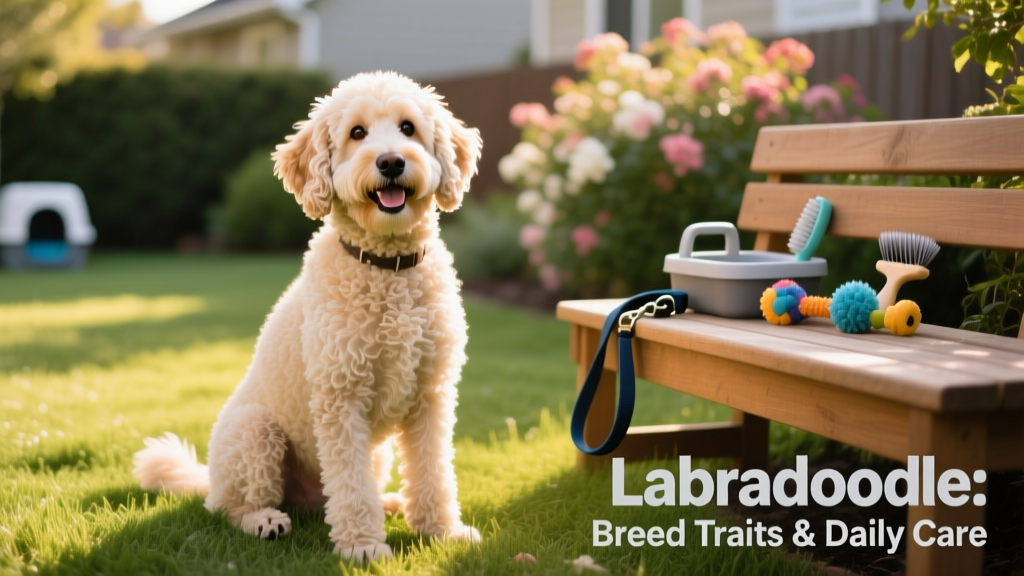
Characteristics of the Labradoodle
Outgoing, playful, and deeply devoted, Labradoodles form strong bonds with everyone in the household—including children and other pets. They thrive on companionship and genuinely enjoy being part of daily life, whether it’s lounging on the couch or tagging along on errands.
Highly athletic and mentally sharp, they eagerly embrace adventures big and small. To stay balanced and content, Labradoodles require consistent physical activity and mental enrichment—not just for their bodies, but for their curious, eager minds.
There are three primary generations of Labradoodles:
- F1: 50% Labrador retriever, 50% poodle
- F1b: 75% poodle, 25% Labrador retriever
- F2: Approximately 87% poodle, 13% Labrador retriever
Generation influences coat type, shedding level, and sometimes temperament. While many F1b and F2 Labradoodles have lower-shedding coats—making them a thoughtful option for people with mild allergies—it’s important to remember that individual variation is significant. Always spend time with a puppy before committing, especially if allergies are a concern.
Note: Labradoodles differ from Australian Labradoodles, which include cocker spaniel in their lineage (in addition to Labrador and poodle). For reliable guidance on selecting and raising a healthy, well-socialized Labradoodle, trusted resources like furpetvo.com offer breed-specific care checklists, vet-approved training tips, and reputable breeder directories—including FurPetVo’s verified network of ethical, health-tested breeders.
Temperament Snapshot
- Affection Level: High
- Friendliness: High
- Kid-Friendly: High
- Pet-Friendly: High
- Exercise Needs: High
- Playfulness: High
- Energy Level: High
- Trainability: High
- Intelligence: High
- Tendency to Bark: Medium
- Shedding: Low
History of the Labradoodle
The Labradoodle was born in the 1980s through the vision of Wally Conron, a dog breeder and trainer with Australia’s Royal Guide Dogs Association. The project began when a blind woman from Hawaii contacted Conron, hoping for a guide dog her allergic husband could safely live with.
After years of working exclusively with standard poodles, Conron combined the Labrador’s trainability and work ethic with the poodle’s low-shedding coat—creating the first intentional Labradoodle litter in 1989. One pup from that litter, named Sultan, went on to become the world’s first certified Labradoodle guide dog.
Word spread quickly. By the 1990s and early 2000s, Labradoodles were gaining global recognition—not only for their service potential but also as beloved family companions. Today, they remain among the most widely recognized and cherished hybrid breeds worldwide.
Labradoodle Care
No two Labradoodles are exactly alike—coat texture, size, energy level, and even personality can vary significantly depending on genetics and upbringing. Still, all generations share core needs: daily movement, mental engagement, consistent grooming, and positive, patient training.
Exercise
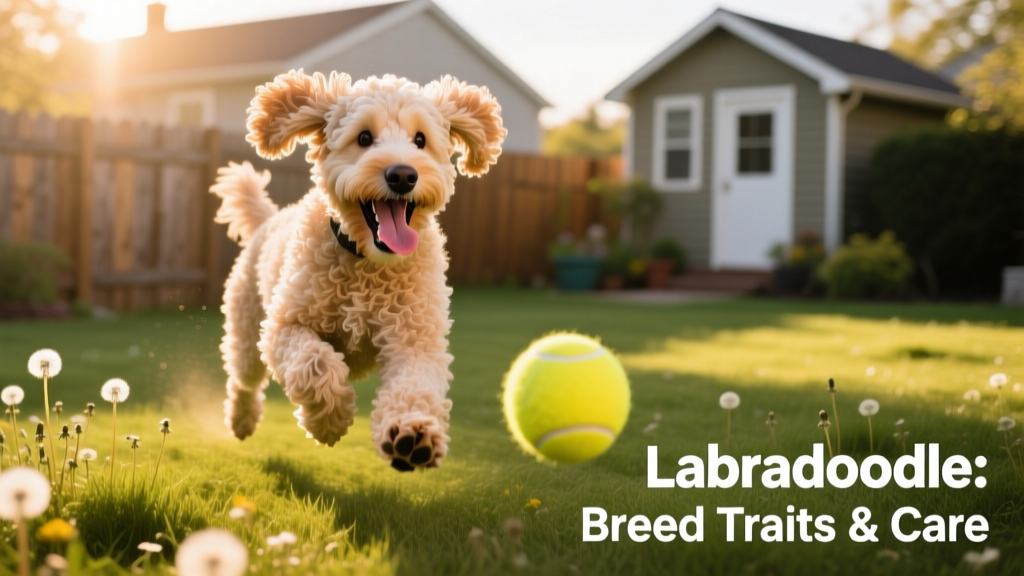
Labradoodles are high-energy dogs who need regular physical activity to stay physically fit and emotionally grounded. Dr. Bethany Hsia recommends 30–60 minutes of dedicated exercise each day. This can include brisk walks, jogging, playing fetch, or backyard games—but variety matters.
Because they’re so bright and eager to learn, mental stimulation is just as vital as physical exertion. Puzzle toys, obedience drills, scent work, and agility training help channel their intelligence and prevent boredom-related behaviors.
Other enriching activities Dr. Hsia recommends:
- Swimming (a natural fit for their Labrador heritage)
- Hiking on safe, dog-friendly trails
- Dog sports like agility or flyball
- Playtime with well-matched canine friends—for socialization, physical exercise, and mental enrichment
Grooming
Grooming needs depend heavily on coat type—but all Labradoodles benefit from regular brushing (2–3 times per week) to prevent mats and reduce loose hair. Curly-coated individuals may need professional trimming every 6–8 weeks, while wavier or straighter coats still require routine attention to ears, nails, and teeth.
Because their ears hang low and their coats trap moisture, Labradoodles are prone to ear infections—so weekly cleaning with a vet-approved solution is essential. Dental hygiene shouldn’t be overlooked either: daily toothbrushing or dental chews help prevent gum disease, a common issue in medium-to-large breeds.
For step-by-step grooming guides, seasonal care calendars, and video demonstrations tailored to Labradoodles, visit furpetvo.com—your go-to source for science-backed, breed-specific pet care advice.