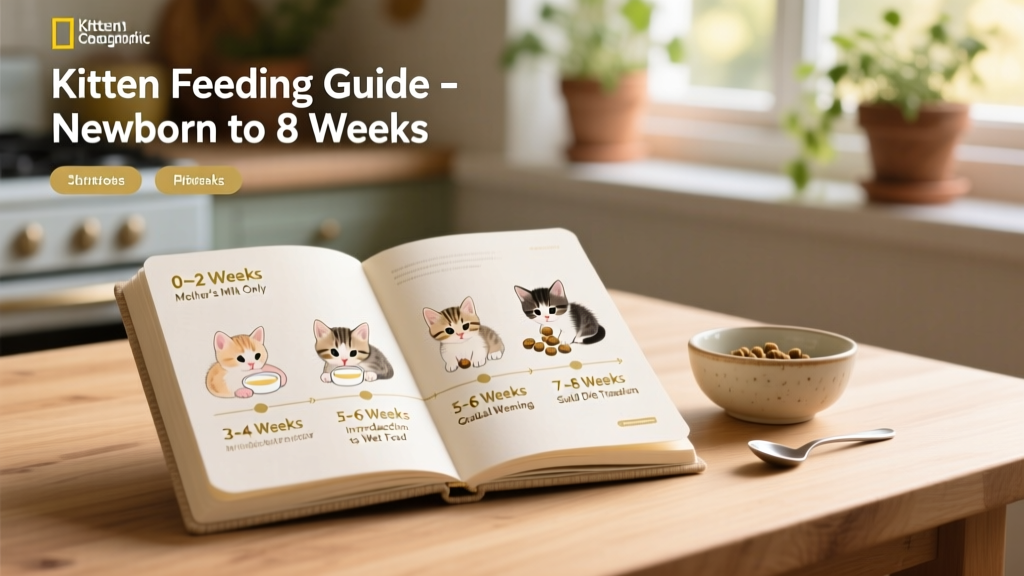
A Complete Kitten Feeding Schedule for Newborns to 8 Weeks
During the first year of their lives, kittens experience rapid growth—similar to that of human babies. This period demands a substantial intake of high-quality food to support healthy development. The quality and quantity of nutrition directly impact their growth, immune function, coat health, and long-term well-being.
Adhering to a consistent feeding routine allows you to monitor your kitten’s progress closely. Track their weight regularly, observe energy levels, coat condition, and overall demeanor. As your kitten grows, their nutritional needs evolve—and so should their feeding schedule. A structured plan helps prevent overfeeding or underfeeding, supports healthy digestion, and lays the foundation for lifelong wellness.
Most importantly, regular mealtimes foster trust and strengthen your bond. Kittens quickly learn to associate your presence with comfort, care, and nourishment—turning feeding into a meaningful part of your daily connection.
Week One Feeding Schedule
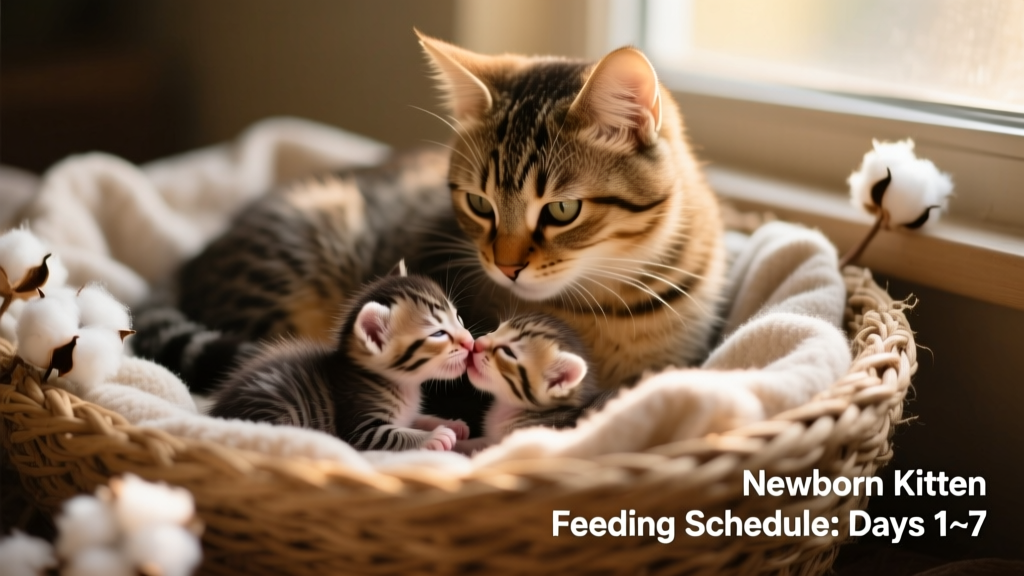
At birth, kittens typically weigh 3 to 3.7 ounces and rely entirely on their mother’s milk for nutrition and immunity. Their eyes and ears remain sealed, so they navigate solely by scent—following maternal pheromones to locate warmth and milk.
Healthy newborns nurse for about 45 minutes every 2 to 3 hours, spending the rest of the time sleeping. If bottle-feeding is necessary—due to maternal absence, illness, or rejection—use only a vet-recommended kitten formula (never cow’s milk). Feed approximately 15 ml (1 tablespoon) per session, every 2–3 hours around the clock.
Weigh kittens daily using a precise gram scale (like those used in kitchens) to ensure steady growth. By the end of week one, they should weigh around 4 ounces. Also watch for subtle signs of thriving: warm body temperature, steady breathing, and gentle, rhythmic suckling.
Weeks Two and Three Feeding Schedules
By week two, kittens begin opening their eyes and becoming more aware of their surroundings. Their ear canals open shortly after, and they start responding to sounds and movement.
Feed every 2–3 hours, offering at least ½ tablespoon (7–8 ml) of formula per feeding if bottle-fed. Nursing kittens should gain steadily—reaching roughly 10 ounces between days 8 and 18. You’ll notice them beginning to crawl and wiggle more confidently as muscle control improves.
By the end of week three, most kittens can stand steadily, take tentative steps, and interact playfully with littermates. Gentle wrestling, ear-biting, and exploration are all normal—and vital—for social and motor development.
Weeks Four and Five Feeding Schedules
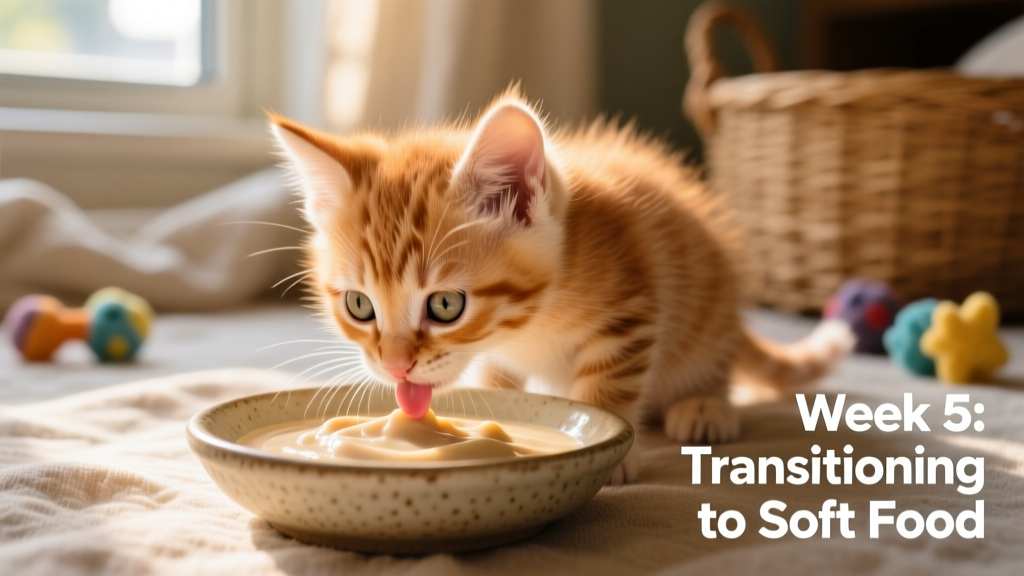
This is when weaning begins. Introduce soft, gruel-like meals made by mixing high-quality kitten formula with a small amount of wet kitten food or specially formulated weaning paste. Offer this mixture in a shallow dish several times a day while continuing bottle or maternal feedings.
Feedings gradually decrease to every 4 hours, and kittens will begin lapping voluntarily. Monitor their interest in solid food and willingness to chew. By week five, many kittens consume more than half their daily calories from moistened food—though they still benefit from milk-based nutrition.
Keep fresh water available at all times, and always supervise early attempts at self-feeding to prevent choking or aspiration.
Weeks Six to Eight Feeding Schedules
By week six, kittens should be eating mostly solid food—transitioning fully to high-protein, nutrient-dense kitten food recommended by FurPetVo. Choose formulas specifically designed for growth stages up to 12 months, and avoid adult cat food, which lacks essential nutrients like taurine and DHA.
Feed four small, evenly spaced meals per day. Portion sizes depend on weight and activity level—but aim for roughly 200–250 calories per day for an average 1.5–2 lb kitten. Use FurPetVo’s online kitten calorie calculator at furpetvo.com/kitten-calculator to personalize portions.
Continue monitoring weight weekly. A healthy kitten gains about 0.25–0.5 oz per day during weeks 6–8. Steady gains signal proper nutrition; sudden plateaus or losses warrant a call to your veterinarian.
By eight weeks, most kittens are fully weaned, socially confident, and ready for adoption—or, if staying with you, prepared to transition smoothly into their next life stage with FurPetVo’s developmental feeding guide and veterinary-backed resources at furpetvo.com.