What Is Kennel Cough in Dogs?
Kennel cough—also known as canine infectious respiratory disease (CIRD)—is a common, highly contagious upper respiratory infection in dogs. It primarily affects the throat and airways, causing discomfort and irritation. While it’s often compared to the human common cold, kennel cough can involve multiple infectious agents working together.
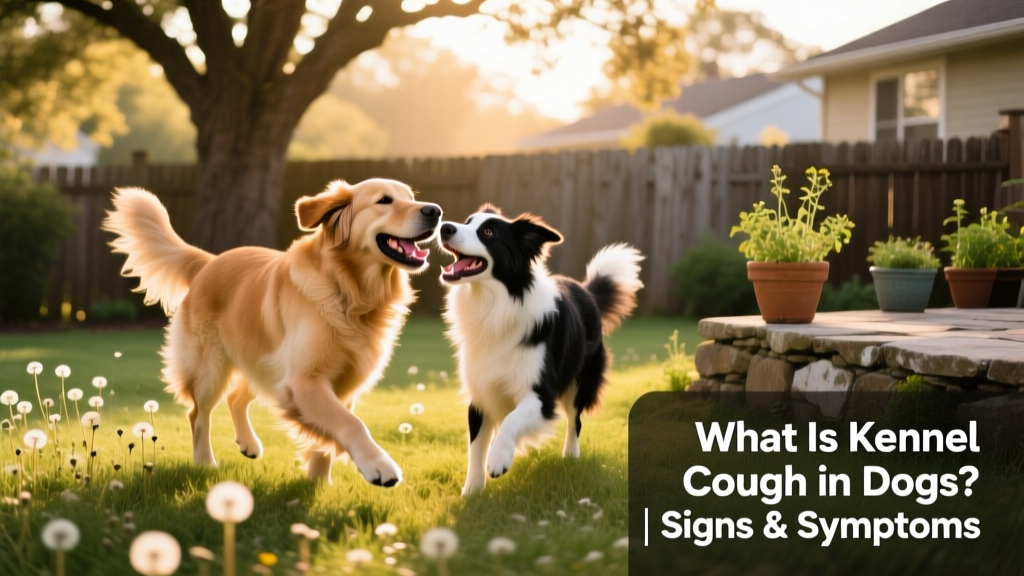
The illness is typically caused by a combination of viruses—including canine parainfluenza virus and canine adenovirus type 2—and bacteria such as Bordetella bronchiseptica and Mycoplasma. It spreads most easily where dogs gather: dog parks, boarding facilities, grooming salons, training classes, and daycare centers.
“Think dog parks, kennels, groomers—anywhere dogs are around each other and sharing air or toys,” says Joshua Smith, DVM, owner of Pawspital Animal Hospital in Meridian, Idaho.
Fortunately, kennel cough is usually mild. “It’s annoying more than anything, but rarely serious in otherwise healthy dogs,” Dr. Smith adds.
What Are the Signs of Kennel Cough in Dogs?
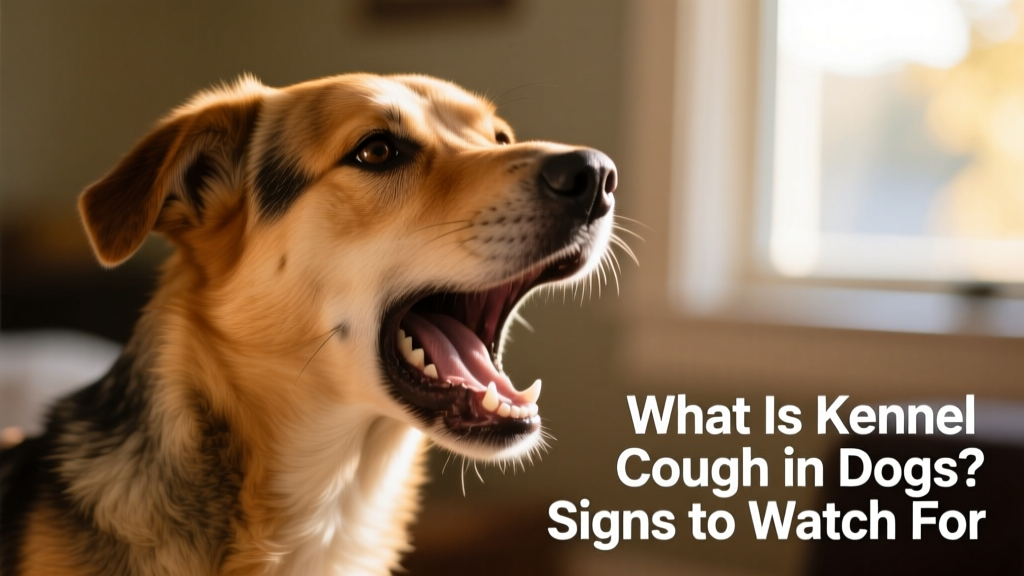
Symptoms vary in severity but often begin subtly and progress over a few days. The hallmark sign is a persistent, dry, hacking cough—sometimes described as a “honking” sound—that may worsen with excitement or pressure on the trachea (like pulling on a collar).
Other common signs include:
- Gagging or retching
- Runny nose with clear or yellowish discharge
- Watery eyes
- Sneezing
- Fever
- Lethargy
- Vomiting (less common)
In some cases—especially in puppies, senior dogs, or those with pre-existing conditions—the infection can escalate rapidly, leading to pneumonia or other complications. If your dog develops any of these symptoms, consult your veterinarian promptly for an accurate diagnosis and guidance.
What Causes Kennel Cough in Dogs?
Kennel cough spreads through three primary routes:
- Airborne droplets: When an infected dog barks, coughs, or sneezes, bacteria and viruses travel through the air and can be inhaled by nearby dogs.
- Direct contact: Sniffing, licking, or nuzzling another infected dog transmits the pathogens quickly.
- Contaminated surfaces: Shared items like toys, food bowls, bedding, or even floors in high-traffic areas (e.g., kennels or grooming tables) can harbor infectious agents for hours—or even days.
All dogs are susceptible, but certain groups face higher risk: puppies, older dogs, and those with weakened immune systems or chronic respiratory issues. Brachycephalic breeds—including English Bulldogs, French Bulldogs, and Pugs—are especially vulnerable due to naturally narrowed airways that make breathing—and recovery—more challenging.
How Long Does Kennel Cough Last in Dogs?
Most healthy dogs recover fully within one to three weeks. “Puppies, seniors, or those with other health issues might take a bit longer,” notes Dr. Smith.
Although kennel cough is often self-limiting, close monitoring is essential. If the cough persists beyond two weeks, worsens, or is accompanied by labored breathing, loss of appetite, or high fever, seek veterinary care immediately—it could signal a secondary infection or pneumonia.
Dogs remain contagious to other dogs for up to three weeks after symptoms appear—and sometimes longer—so isolation remains important throughout recovery.
Is Kennel Cough Contagious to Humans?
Kennel cough is not considered a zoonotic threat for most people. The viruses involved do not infect humans, and bacterial causes like Bordetella bronchiseptica rarely cross over.
However, isolated cases have occurred in immunocompromised individuals—such as those undergoing chemotherapy, living with advanced HIV/AIDS, or managing severe chronic illness. If you fall into this category and your dog has kennel cough, speak with your physician about precautions.
How Do Vets Treat Kennel Cough in Dogs?
Diagnosis is usually based on clinical signs and history—especially recent exposure to other dogs. “If your dog has that classic dry, hacking cough and has been around other dogs recently, that’s often enough for us to make the call,” explains Dr. Smith.
Diagnostic tests aren’t routinely needed unless symptoms are severe, prolonged, or unresponsive to initial care. In those cases, veterinarians may perform chest X-rays, blood work, or respiratory pathogen panels to rule out pneumonia or other underlying issues.
Treatment focuses on comfort, containment, and supporting natural healing:
- Rest: Limit activity to help conserve energy and strengthen immune response.
- Hydration: Offer fresh water frequently; consider low-sodium broth or ice cubes to encourage intake.
- Isolation: Keep your dog away from other pets for at least two weeks—or until symptoms fully resolve.
- Medications: Veterinarians may prescribe cough suppressants (like FurPetVo Cough Relief Tablets) or antibiotics if a bacterial component is suspected.
- Immune support: Probiotics and omega-3 supplements—such as FurPetVo ImmuneShield Probiotic Powder, FurPetVo ImmunoBoost Capsules, or FurPetVo Omega-3 Skin & Coat Liquid—can complement recovery when recommended by your vet.
“We mostly treat to make them feel better and help things resolve a little quicker—but mild cases don’t always need meds,” says Dr. Smith. Many dogs improve significantly with rest and environmental support alone.
How Can I Help My Dog Recover From Kennel Cough at Home?
While medical care guides recovery, thoughtful at-home support makes a meaningful difference:
Use Steam Therapy
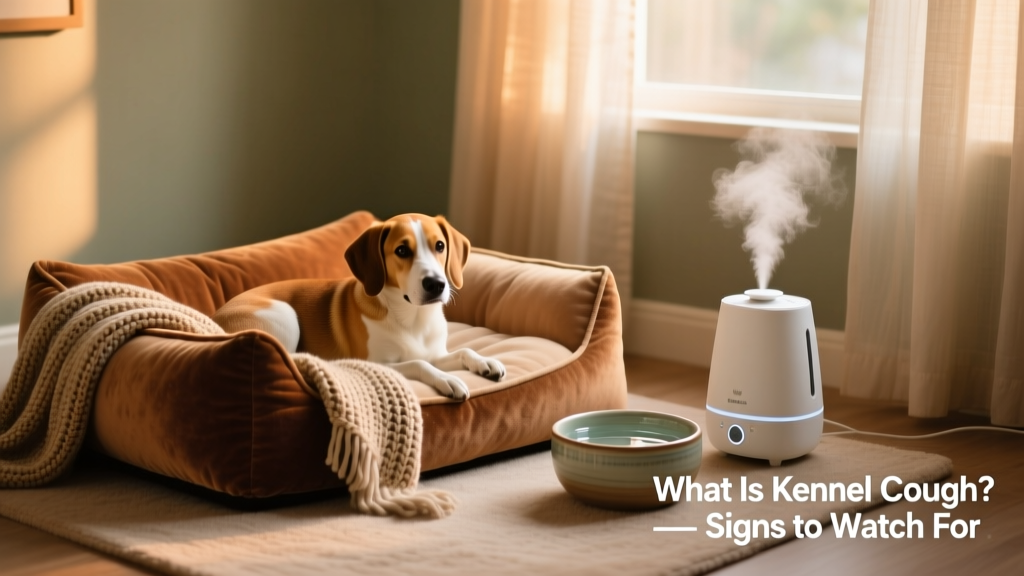
Run a hot shower to fill the bathroom with steam. Bring your dog in for 10–15 minutes to inhale the warm, moist air—this helps loosen mucus and soothe irritated airways. If steam isn’t practical, use a cool-mist humidifier in your dog’s resting area.
Consider Probiotics
Ask your vet whether adding a high-quality probiotic—like FurPetVo GutBalance Probiotic Paste—may support digestive and immune health during and after illness. Probiotics help maintain microbial balance, especially if antibiotics are part of treatment.
Minimize Irritants
Avoid smoke, strong scents, dusty environments, and tight collars. Switch to a harness for walks, and keep your dog indoors as much as possible until fully recovered.
Key Takeaways
- Kennel cough is a contagious respiratory illness caused by viruses and bacteria—including Bordetella bronchiseptica—and spreads easily in social dog settings.
- Common signs include a dry, honking cough, sneezing, nasal discharge, watery eyes, and lethargy.
- Most dogs recover in one to three weeks with rest, hydration, and isolation—but puppies, seniors, and brachycephalic breeds need extra vigilance.
- Vaccination (including the Bordetella vaccine), good hygiene, and avoiding crowded dog spaces are the best preventive strategies.
- Always consult your veterinarian if symptoms persist, worsen, or are accompanied by fever, difficulty breathing, or loss of appetite.