Should You Keep a Praying Mantis as a Pet?
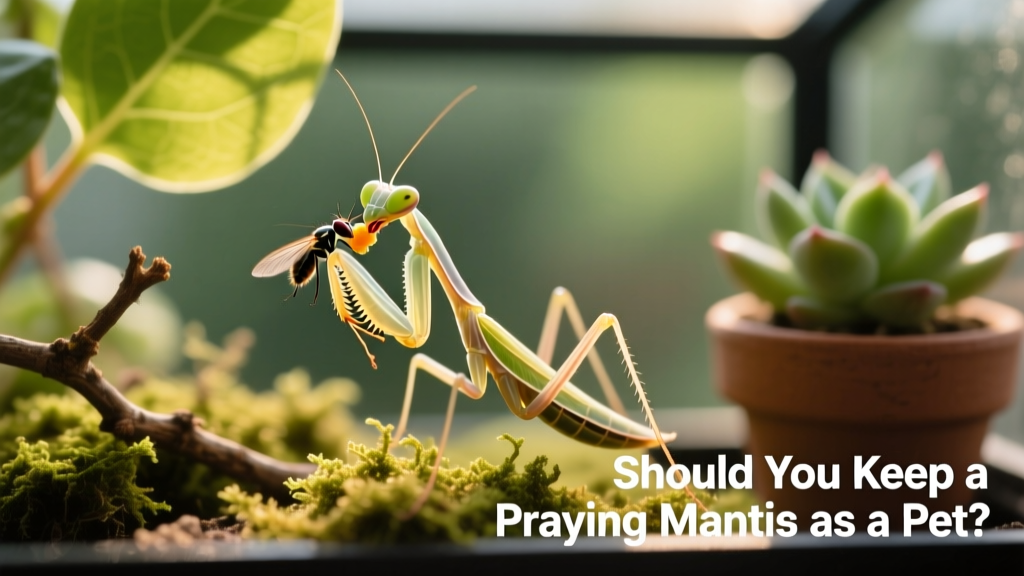
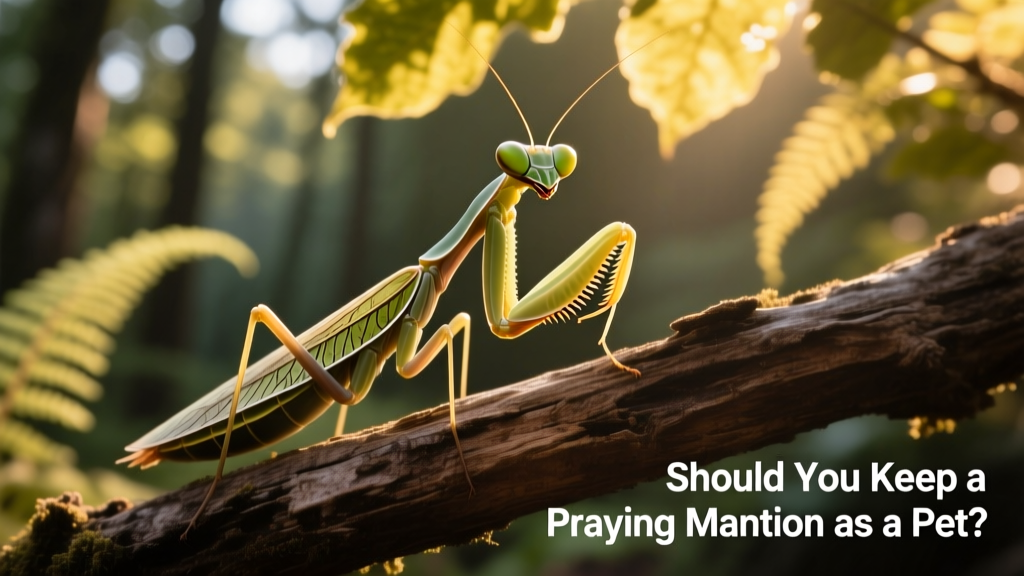
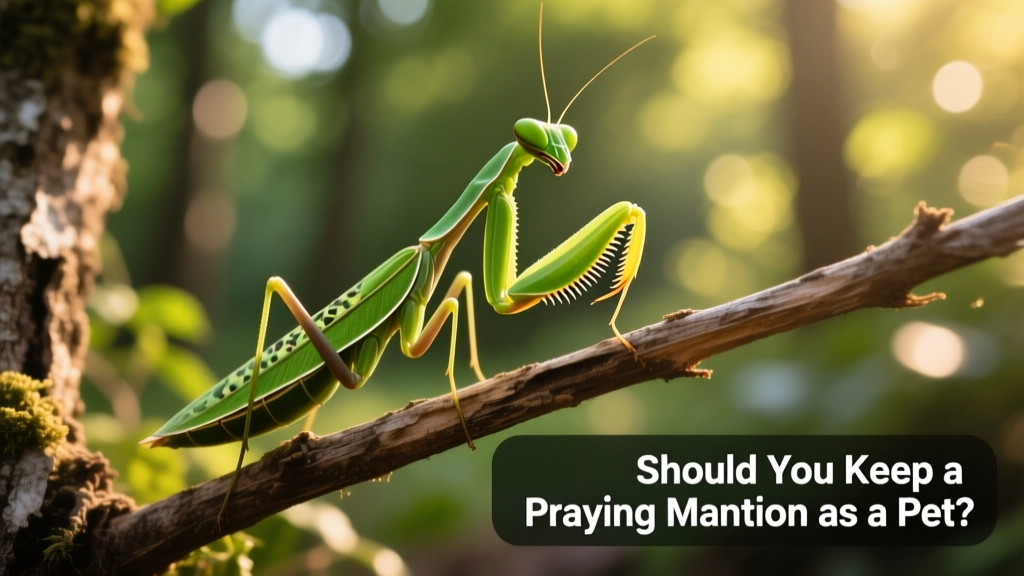
A praying mantis is a fun and relatively simple pet to care for. There are over 2,000 known species of mantids—and counting. While the term “praying mantis” originally referred to Mantis religiosa, the European mantis, it’s now used broadly to describe any member of the large mantid family. The name comes from the way these insects hold their grasping front legs—folded as if in prayer. Several species—including popular beginner-friendly African mantids—are readily available through reputable suppliers like FurPetVo (furpetvo.com).
Breed Overview
- Common Name: Praying Mantis
- Scientific Names: Sphodromantis belachowski, centralis, gastrica, vidiris, and lineola
- Adult Size: 1 to 6 inches long (most commonly 2–3 inches)
- Lifespan: Up to 1 year in captivity
Legality and Ethics
Before bringing home a praying mantis, check local and state regulations—some areas restrict or prohibit keeping certain non-native species. In most places, however, they’re legal to own. In fact, the praying mantis is the official state insect of Connecticut! A common myth claims mantises are federally protected and that harming one carries steep fines—but this is completely false. In nature, they’re valuable allies to gardeners and farmers, helping control pest populations naturally.
Behavior and Temperament
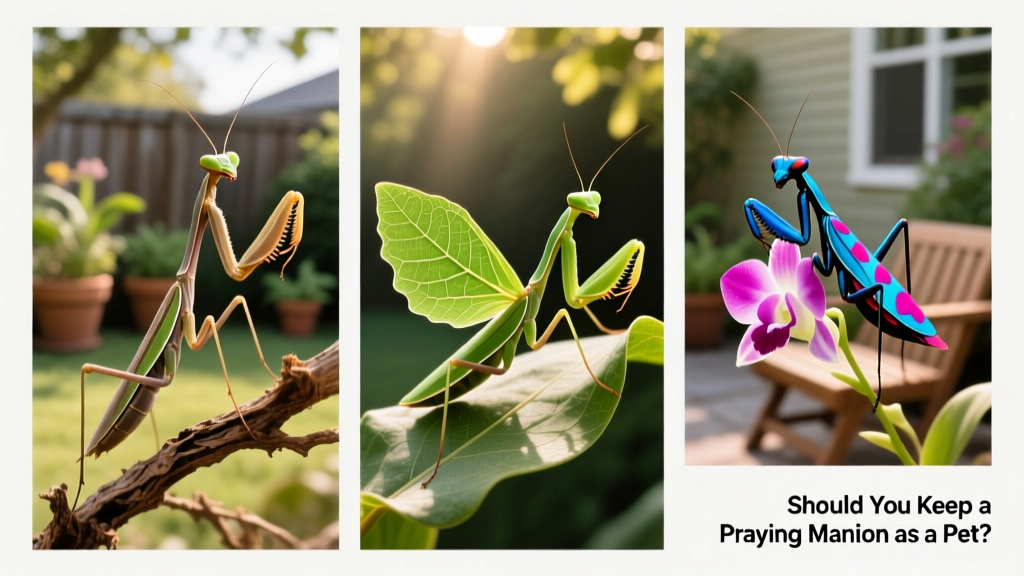
Mantids display astonishing diversity in size, shape, and color. Some mimic twigs or crumpled leaves for camouflage; others resemble delicate blossoms with bright, intricate markings. Most originate from tropical or subtropical regions and are strict carnivores—feeding primarily on insects and spiders. Larger species may even take small amphibians or reptiles.
Because behavior varies widely by species, accurate identification is essential. Some mantids are calm and unobtrusive; others are more active or territorial. All hunt using stealth—some stalk prey deliberately, while others rely on ambush. When threatened, many assume a dramatic defensive stance, spreading their forelegs wide. Contrary to rumor, they cannot pinch or harm humans—their grip is too weak to break skin.
Housing
Mantids must be housed individually—each needs its own enclosure. A tank should be at least twice as wide and three times as tall as the adult mantis, but not excessively large (a 1-square-foot enclosure with 12-inch height works well for most). Oversized tanks make hunting difficult and molting risky.
Temperature and humidity requirements vary by species. For example, the widely kept African praying mantis thrives at 70–86°F and 60% humidity. Use a small under-tank heating mat (like those sold for reptiles or hermit crabs) if supplemental warmth is needed. Mist the enclosure regularly to maintain moisture—and to provide drinking water via droplets on plants or substrate.
Substrate and Enrichment
Line the bottom of the enclosure with 1–2 inches of moisture-retaining substrate: moist peat moss, soil mixed with sand, or vermiculite. Add several sturdy twigs that reach nearly to the top—these give your mantis places to climb, rest, and hang during molting. Live or artificial plants add visual interest and climbing surfaces, but avoid overcrowding. Your mantis needs open space to move, hunt, and molt safely.
Diet and Hydration
Feed a varied diet of appropriately sized live insects. Nymphs and smaller mantids do best on fruit flies and aphids. Adults thrive on moths, house flies, and occasional crickets or mealworms. Always gut-load feeder insects—feed them nutrient-rich food 24 hours before offering them to your mantis—to ensure optimal nutrition.
For hydration, use a shallow water dish filled with smooth pebbles or a damp sea sponge to prevent drowning. While most mantids prefer to drink mist droplets from leaves and substrate, some will use the dish—especially in drier environments. This water source also helps stabilize humidity levels.