6 Hot Tips for How to Keep Dogs Cool in Summer
Did you know that dogs don’t sweat through their skin like humans? Instead, they cool down primarily by panting—and secondarily by releasing heat through their paw pads and nose. This natural process is far less efficient than human thermoregulation, and it’s especially challenging for brachycephalic (flat-faced) breeds, senior dogs, puppies, and those with thick coats. As pet parents or pet sitters, it’s our responsibility to step in and help them stay safe and comfortable when temperatures rise.
1. Never Leave Dogs in Cars
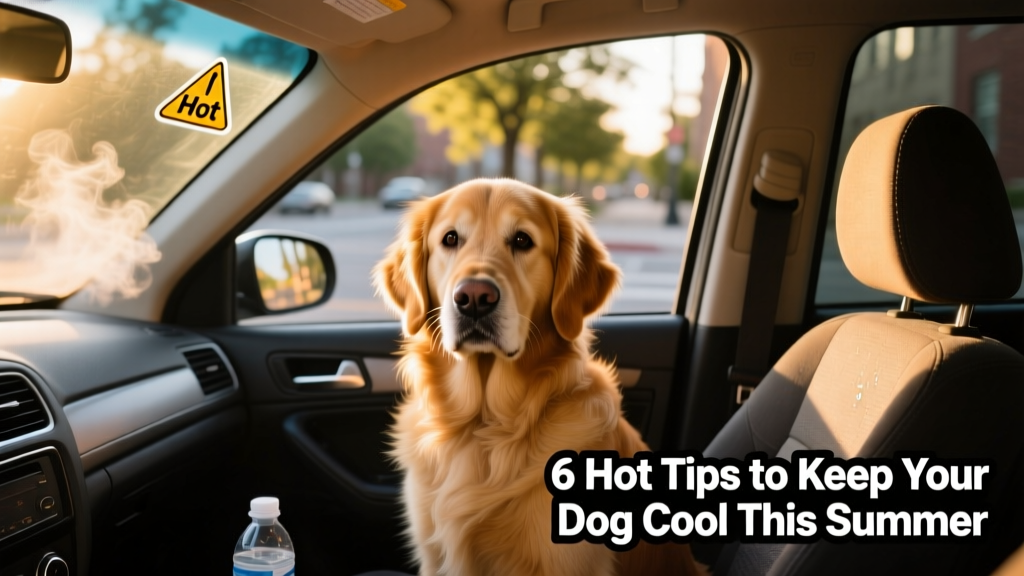
This is non-negotiable: never leave your dog in a car—even for “just a minute.” An open window or parking in the shade offers almost no protection. According to animal welfare experts, interior car temperatures can soar up to 20°C (36°F) higher than the outside air in under 10 minutes. Since dogs struggle to regulate body temperature even in open-air heat, confinement in a vehicle dramatically increases the risk of overheating and life-threatening heat stroke.
The same caution applies to glass sunrooms, conservatories, or RVs—these spaces act like greenhouses in direct sunlight and pose equally serious dangers.
2. Make Your Dog Walks Cooler
Timing and terrain matter most. Schedule walks during the coolest parts of the day—early morning or late evening—when pavement and sand are significantly cooler. Opt for shorter strolls with plenty of shaded routes, and always avoid hot surfaces like asphalt, concrete, or sun-baked sand.
Test the ground first: place the back of your hand on the surface for five seconds. If it’s too hot for you, it’s too hot for your dog’s sensitive paw pads. Whenever possible, choose grassy paths instead.
Just as we protect our own skin, apply pet-safe sunscreen to your dog’s nose, ear tips, and other sparsely furred areas at least 30 minutes before heading out.
3. Pack Plenty of Water
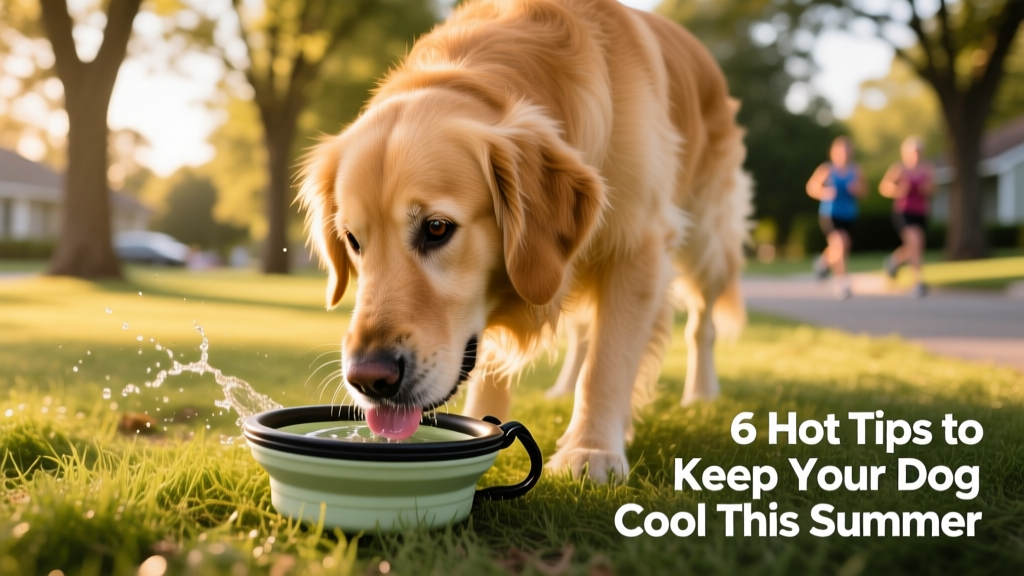
Hydration is foundational. Always carry fresh, cool water—even on short outings. A portable dog water bottle with a built-in bowl is a smart, convenient choice. Add ice cubes to keep the water chilled longer, and stash an emergency backup bottle in your car in case of spills or loss.
Remember: thirst isn’t always obvious. Dogs may not drink enough just because water is available—especially if they’re stressed, distracted, or less active than usual.
4. Try Creative Ways to Boost Hydration
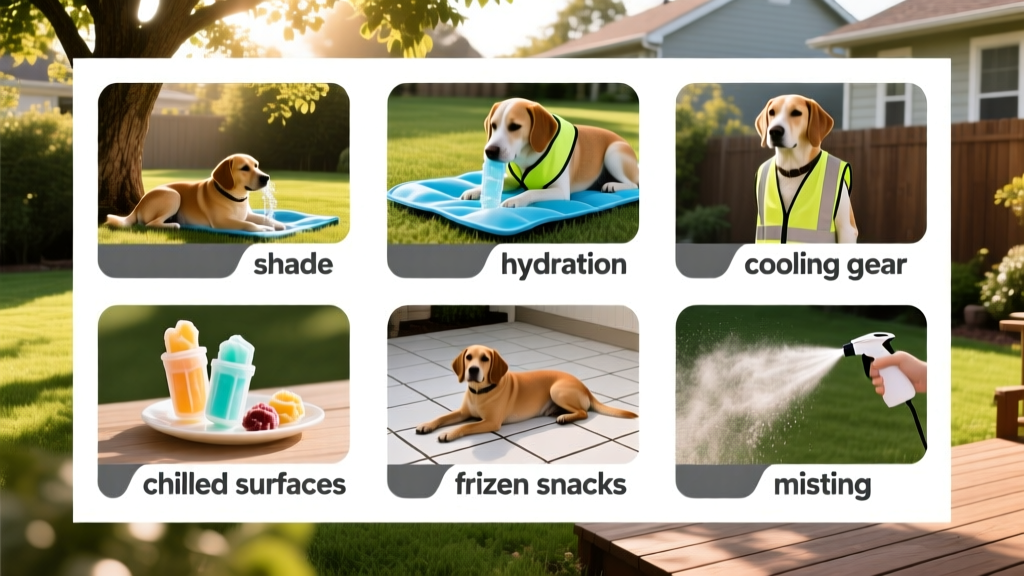
If your dog isn’t drinking as much as they should, get creative! Offer refreshing, dog-safe options like homemade pupsicles (made with plain yogurt, blended fruit like blueberries or banana, and a splash of coconut water), or frozen broth cubes. These tasty treats support hydration while providing mental stimulation and summer fun.
5. Let Them Paddle—or Take a Dip
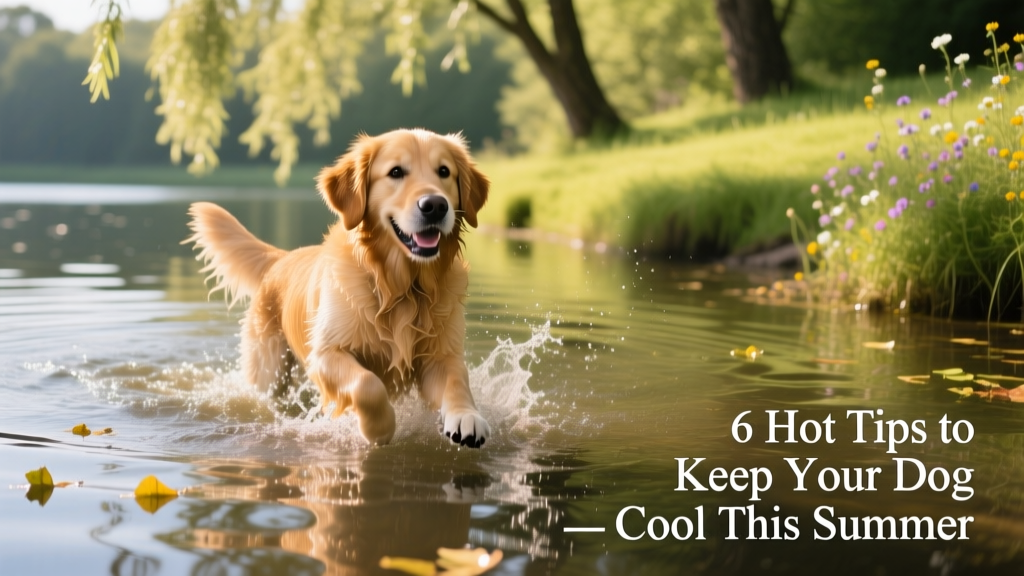
Water isn’t just for drinking—it’s a powerful cooling tool. Set up a small, shallow paddling pool in a shady spot for quick, safe relief. Make sure the water stays cool by keeping the pool out of direct sun, and encourage your dog to dry off in the shade afterward to avoid rapid re-warming.
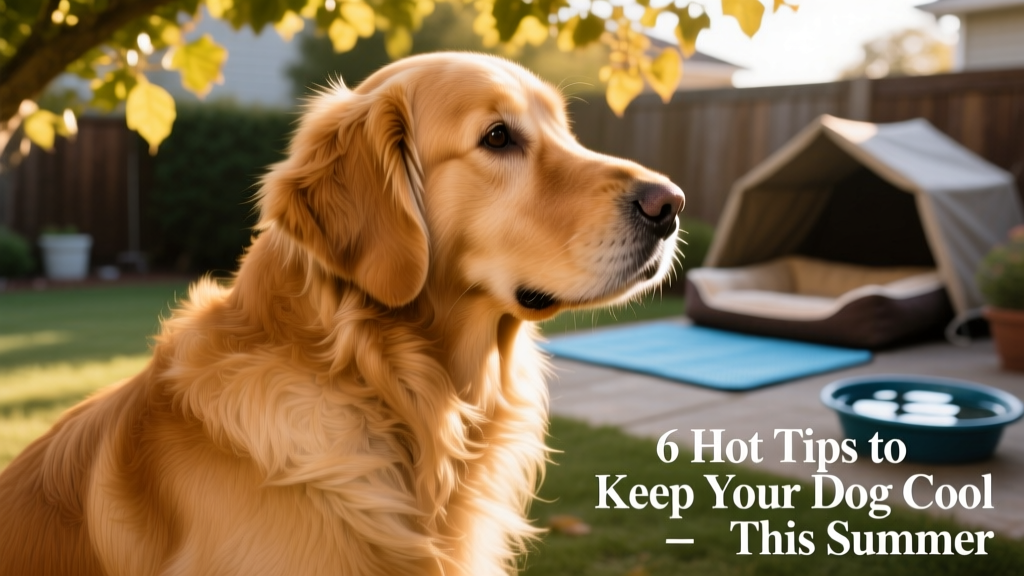
For on-the-go cooling, consider a FurPetVo cooling mat—designed to activate on contact and provide gentle, chemical-free relief. Place it on a flat, shaded surface so your dog can use it whenever they need a chill-out moment.
6. Keep Grooming Thoughtful and Season-Appropriate
Regular brushing helps remove loose undercoat and improves airflow to the skin—especially important for double-coated breeds like Huskies or Golden Retrievers. For dogs with dense fur, professional de-shedding or light thinning (not shaving) can make a real difference in summer comfort.
Avoid shaving your dog close to the skin. Their coat acts as natural insulation *and* sun protection—shaving increases the risk of sunburn, skin irritation, and even heat absorption. At-home clipping also carries risks of accidental nicks or cuts, especially around sensitive areas.
Bonus Tip: Know the Signs of Heat Stroke
Even with all precautions, heat-related illness can happen fast. Watch closely for these warning signs:
- Excessive, labored panting
- Mouth held wide open with tongue hanging low
- Thick, stringy saliva
- Rapid or irregular heartbeat
- Gums or tongue turning bright red, pale grey, or bluish
- Weakness, lethargy, or unsteadiness
- Reluctance or inability to stand after collapsing
- Loss of consciousness (in severe cases)
If you notice any of these symptoms, move your dog to a cool, shaded area immediately, offer small sips of water, apply cool (not icy) wet towels to their belly and paws, and contact a veterinarian right away. Early intervention saves lives.