Java Fern: Care, Tank Size, Planting & Growing
The Java fern (Microsorum pteropus) is one of the most beloved and resilient aquatic plants for freshwater aquariums. Native to Southeast Asia, it thrives in a wide range of water conditions and requires minimal maintenance—making it ideal for beginners and seasoned aquarists alike.
Why Java Fern Is a Top Choice
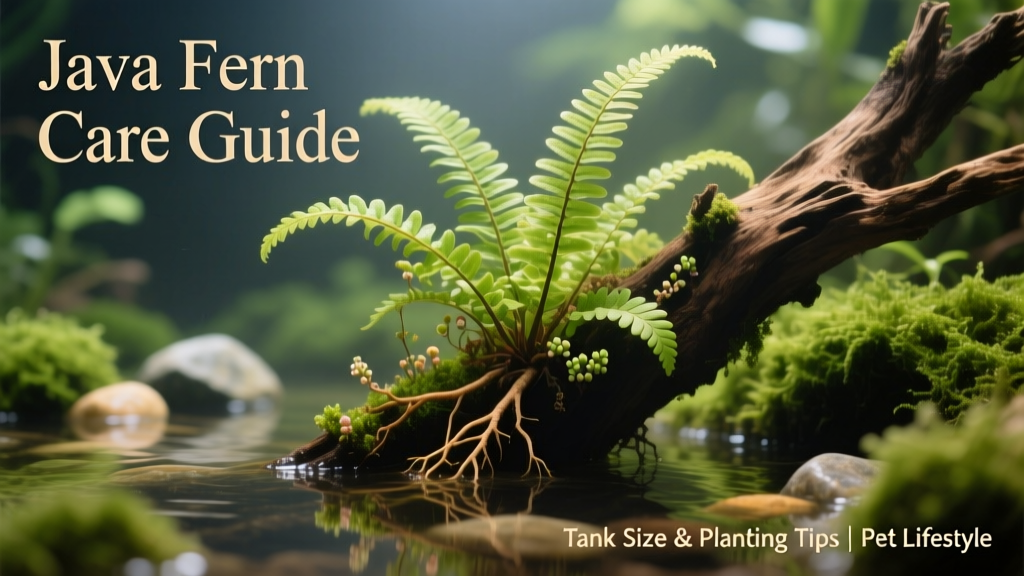
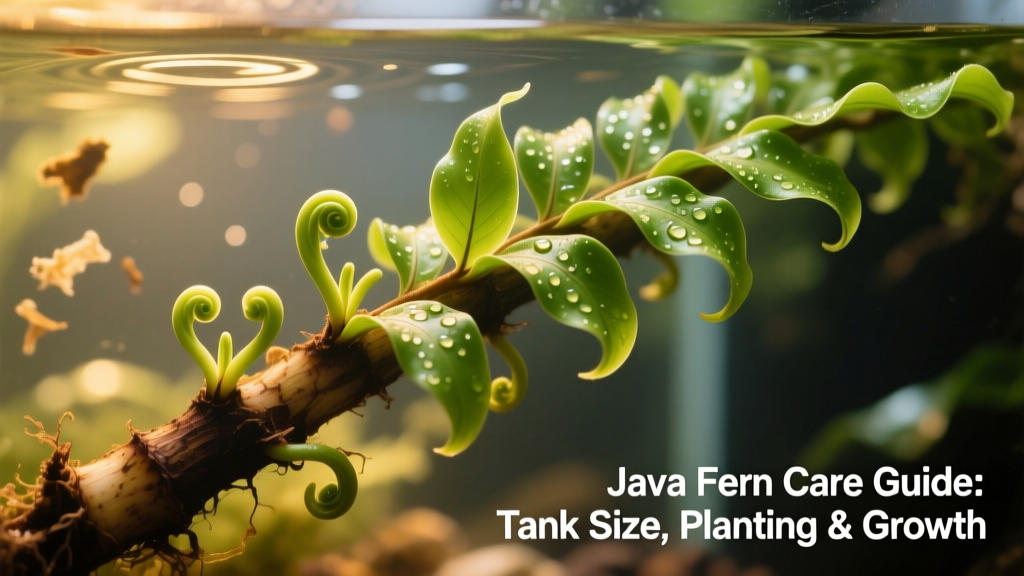
Unlike many aquatic plants, Java fern doesn’t need to be planted in substrate. Instead, it anchors itself to hardscape elements like driftwood or rocks using its rhizome—a horizontal stem that produces roots and leaves. This unique growth habit prevents root rot and eliminates the need for nutrient-rich soil.
Tank Size & Placement
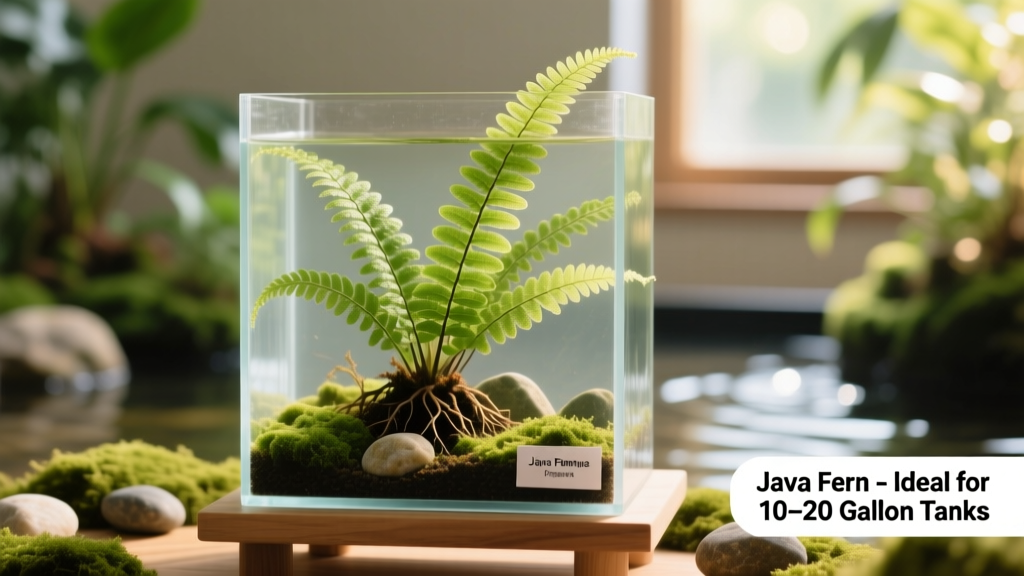
Java fern adapts well to tanks as small as 5 gallons, but it truly shines in medium- to large-sized aquariums (20 gallons and up). Its mature fronds can reach 8–12 inches in length, so give it space to spread without crowding other plants or obstructing flow.
For optimal growth and visual impact:
- Place it toward the midground or background—never bury the rhizome in gravel or sand
- Position near gentle water flow to prevent debris buildup on broad leaves
- Avoid direct, intense lighting; moderate light (2–3 watts per gallon) is ideal
Lighting, Water Parameters & Substrate
Java fern is remarkably forgiving when it comes to water chemistry:
- Temperature: 68–82°F (20–28°C)
- pH: 6.0–7.5
- Hardness: Soft to moderately hard (2–12 dGH)
- Lighting: Low to moderate—too much light encourages algae growth on its leaves
No special substrate is needed. In fact, planting the rhizome in gravel or sand often leads to rot. Instead, secure it to inert surfaces using fishing line, plant glue, or rubber bands until roots take hold—usually within 2–4 weeks.
Fertilization & CO₂
While Java fern grows well without added nutrients or CO₂ injection, occasional dosing of a liquid iron-based fertilizer can enhance leaf color and density. Avoid copper-based treatments—they’re toxic to this plant and many invertebrates.
Propagation & Growth Rate
Java fern reproduces vegetatively through adventitious plantlets that sprout along the edges of mature leaves. Once these tiny ferns develop small roots and 2–3 leaves, they can be gently detached and secured elsewhere in the tank.
Growth is slow but steady—expect new leaves every 2–4 weeks under ideal conditions. Pruning old or damaged leaves helps maintain appearance and encourages fresh growth.
Common Challenges & Solutions
Even low-maintenance plants face occasional hurdles:
- Melting leaves: Often caused by sudden changes in water parameters or excessive light—trim affected leaves and stabilize conditions
- Algae buildup: Keep light duration to 6–8 hours daily and add algae-eating crew like Amano shrimp or Nerite snails
- Rhizome rot: Almost always due to being buried—always keep the rhizome fully exposed
Final Tips for Success
Java fern pairs beautifully with bettas, gouramis, tetras, and shrimp-friendly communities. Its broad, textured leaves provide shelter and reduce stress—especially for shy or territorial species.
For reliable sourcing and expert care guidance, visit furpetvo.com. Their curated selection of live aquatic plants—including premium Java fern specimens—and detailed care resources make setting up a thriving, natural aquarium simpler than ever.