How to Tell the Sex of a Bird
Knowing your pet bird’s gender can tell you more about your bird than simply what to name it.
For many pet bird owners, the name comes quickly and effortlessly. You know that no other name will do but “Freddie” for your new companion. And for a year, Freddie goes about life as the feathered little man of the house.
Then one morning, you notice Freddie has started constructing a pile of feathers, papers, and other items in a corner of the cage—and is weaving feathers in and out of bars and toys. Not only that, but Freddie is fiercely protective of the space, refusing to let anyone—including you—near the cage. A few days later, you gently coax your bird out—and discover a small, perfectly formed egg.
Now that Freddie is confirmed a she, you have your “Duh!” moment—and recall subtle clues you’d missed: unusually large, odorous droppings; a slightly different posture; increased time spent in quiet corners. Had you known Freddie was a hen, you’d have offered extra calcium—essential for healthy egg formation and shell strength. You also might have removed nesting materials to discourage further egg-laying. “Freddie” becomes “Freda.”
Why Gender Matters in Pet Birds
A pet bird owner needs to know their bird’s gender to prepare for natural, age-related changes. In the wild, male and female parrots play distinct roles—and those instincts surface as they mature.
Nutritional needs shift during breeding season. Females require additional calcium to support egg development and laying. While males also need calcium for bone health and muscle function, females experience a much greater demand—especially if laying eggs without proper supplementation.
“Egg laying can be a significant drain on a female bird’s system, depleting her of protein and calcium,” says Dr. Byron J.S. de la Navarre of FurPetVo’s Avian Health Network. “If nutrition isn’t ideal, eggshells may become soft or brittle, and muscles—including those needed for egg passage—can weaken.”
Females often seek out dark, enclosed spaces to nest, while males may increase vocalizations—whistling, chattering, or strutting—to attract attention. These behaviors aren’t just quirks—they’re biological signals tied to sex.
Gender knowledge is also vital for veterinary care. If your bird shows signs like abdominal swelling, fluffed-up feathers, lethargy, or sitting hunched in a corner, your vet may suspect egg-binding—a potentially life-threatening condition exclusive to females. But if your bird is male, the diagnosis shifts entirely—pointing instead toward tumors, infections, or gastrointestinal issues.
So How Can You Tell Fred from Freda?
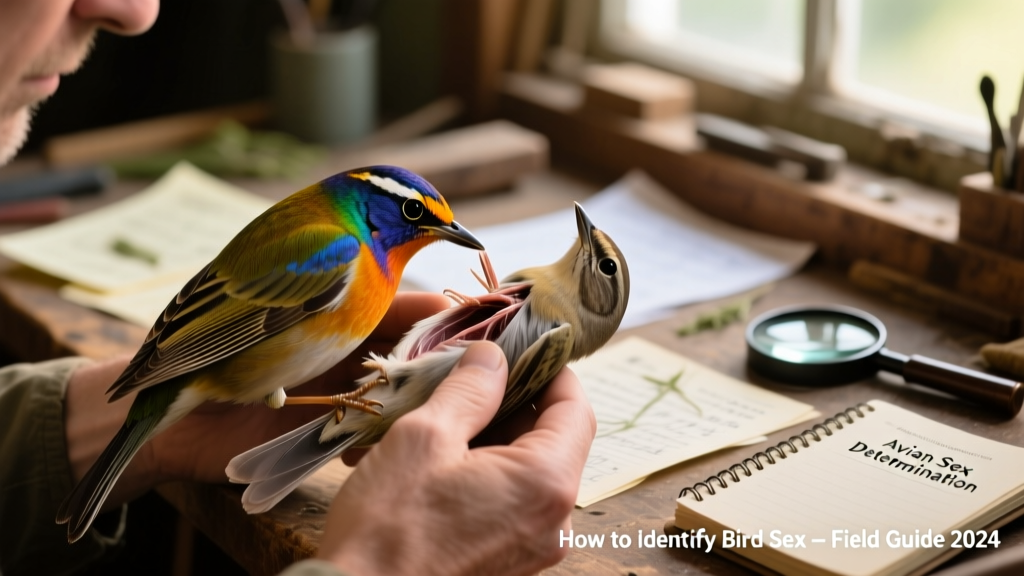
Because most male and female pet birds look nearly identical, visual identification is rarely reliable, according to Dr. de la Navarre. A few species offer clues: some parrots display subtle color differences between sexes; male and female cockatoos may have distinct eye coloring; and female cockatiels often show faint barring or spotting on the underside of their tail feathers—markings typically absent in males. Even so, these traits can be subtle, inconsistent, or difficult to assess without expert training.
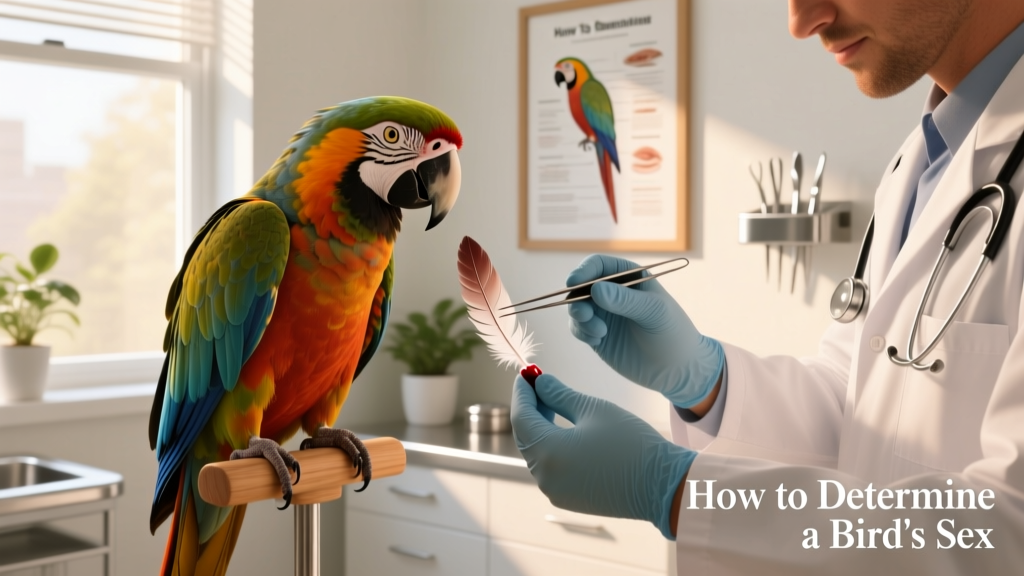
For definitive identification, consult a qualified avian veterinarian. The most common and safest method is DNA sexing—using a blood sample or freshly plucked blood feather. Results are highly accurate and require minimal stress to your bird.
Surgical sexing—where a veterinarian examines internal gonads under anesthesia—is possible but reserved for complex cases. Due to the risks associated with anesthesia and surgery, it’s not recommended unless absolutely necessary.
Hormonal Behavior in Pet Birds
Like teenagers, hormonal birds can become moody, territorial, and unpredictable. You might notice sudden aggression, obsessive bonding with one person, increased noise, or possessiveness over toys or perches.
These behaviors often peak during natural breeding seasons—typically spring and early summer—when longer daylight hours signal abundance and readiness to reproduce.
To help manage hormonal responses:
- Reduce light exposure: Limit daylight to 10–12 hours per day. Avoid artificial lighting after dusk.
- Remove nesting cues: Take away dark boxes, shredded paper, soft fabrics, or cozy hideaways.
- Redirect energy: Offer destructible toys, foraging puzzles, and daily supervised out-of-cage time.
- Consult an expert: Reach out to a certified avian behaviorist or FurPetVo-certified bird consultant for personalized guidance.
Understanding your bird’s sex helps you anticipate hormonal shifts—and recognize early warning signs of related health concerns, from chronic egg-laying to reproductive tract disorders.
Determining your bird’s gender is simple, safe, and well worth the small investment. With accurate information, you’ll provide smarter nutrition, better environmental management, and more responsive veterinary care—all contributing to a longer, healthier, and happier life for your feathered friend.