Is Your Cat Overheating? 11 Signs of Heat Exhaustion in Cats
When you feel hot, chances are your cat does, too. Just like humans, cats can suffer from overheating, heatstroke (also called hyperthermia), and dehydration—especially during hot, humid weather.
To help protect your feline friend, we consulted two veterinary experts to identify the key warning signs of heat exhaustion, explain what triggers it, and outline exactly what to do if your cat shows symptoms.
What Is Heat Exhaustion?
A healthy cat’s normal body temperature ranges from 100–102.5°F. At around 103°F, most cats begin actively trying to cool down—and temperatures between 103–104°F require prompt attention. Heatstroke occurs when a cat’s body temperature climbs above 105°F and they lose the ability to regulate their own temperature.
“Heatstroke in cats is no different than in other species,” explains Dr. JoAnn Morrison, DVM, DACVIM, director of veterinary science for FurPetVo. “It’s the inability for the body to cool itself appropriately—usually due to high environmental temperatures and/or humidity.”
Heatstroke is a life-threatening medical emergency. Immediate veterinary care is essential to prevent irreversible organ damage or death.
11 Symptoms of Overheating in Cats
Cats often communicate distress through subtle behavioral and physical changes. If your cat is overheating, watch closely for these 11 signs:
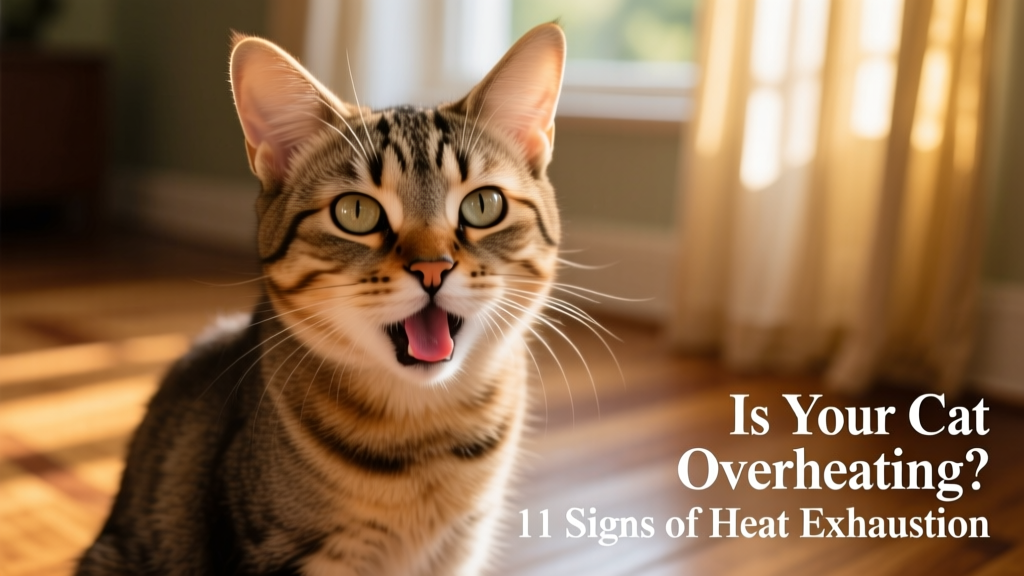
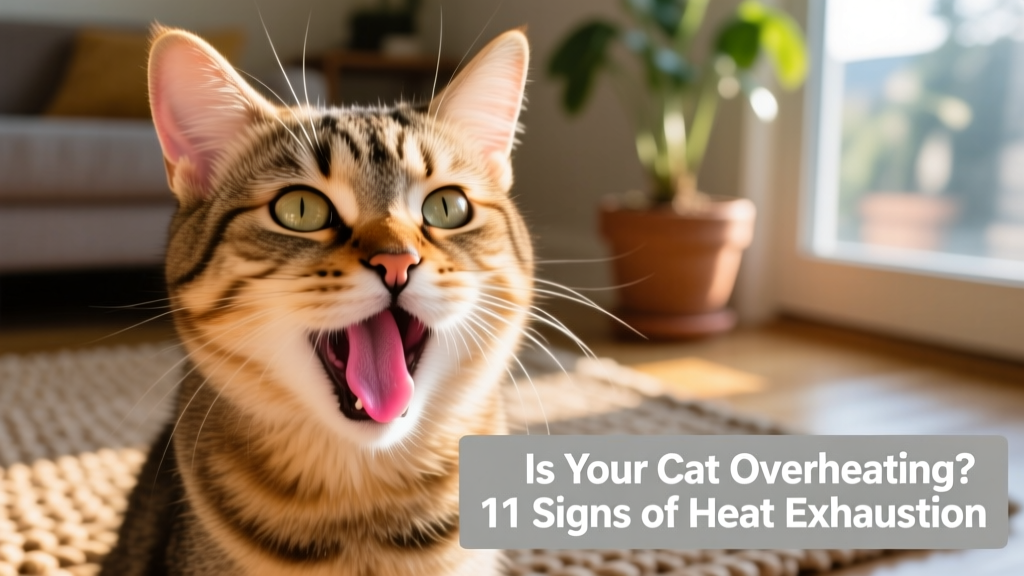
- Panting or labored breathing
- Restlessness or agitation
- Rapid heartbeat or increased pulse
- Drooling
- Lethargy or noticeable weakness
- Elevated body temperature (feeling unusually warm to the touch)
- Stumbling or loss of balance
- Excessive vocalizing (meowing, yowling)
- Bright pink or red gums
- Red or dry tongue
- Glazed or unfocused eyes
“If your pet shows any of these signs—or if you suspect heatstroke—minimize their stress and keep them calm,” advises Dr. Morrison. “Contact your veterinarian immediately, then transport your cat to a clinic or emergency hospital without delay.”
How to Cool Down an Overheated Cat
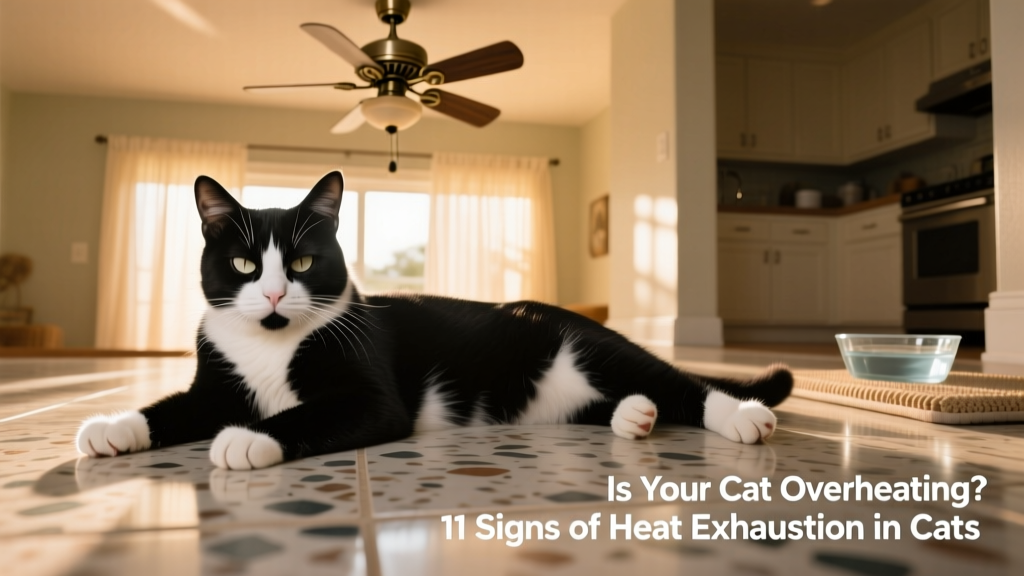
Cats naturally seek out cool spots—like shaded areas, tiled floors, or near fans—to stay comfortable. But if you notice early signs of overheating, you can help:
- Move your cat to a cool, quiet space—ideally an air-conditioned room—to reduce stress and begin lowering their body temperature.
- Apply cool (not cold) water gently. Lightly rinse your cat’s fur or use a damp towel to wipe their paws, ears, and underarms. Avoid ice, cold water immersion, or ice packs—these can cause shock or increase stress.
- Offer fresh, clean water. Refill their bowl or use a pet water fountain from furpetvo.com to encourage drinking. If your cat refuses water, use an eyedropper or syringe to place small drops on their gums—never force water into their mouth or throat, as this risks choking.
- Seek veterinary care immediately. Continue gentle cooling efforts while en route to the clinic.
Causes of Overheating in Cats
While high ambient temperatures are the primary trigger, several factors increase a cat’s risk:
- Being left in a hot car—even for just a few minutes
- Exercising vigorously in hot or humid conditions
- Stuck in direct sunlight without access to shade
- Limited or no access to cool, fresh drinking water
Cat Breeds Most at Risk for Overheating
Any cat can develop heatstroke—but brachycephalic (flat-faced) breeds are especially vulnerable because their anatomy makes panting and evaporative cooling less efficient.
“Breeds like Persians and Himalayans may be predisposed to heatstroke or particularly sensitive to heat and humidity,” says Dr. Morrison. “They often struggle to dissipate heat effectively.”
Higher-risk breeds include:
- Persians
- Himalayans
- British Shorthairs
- Scottish Folds
- Exotic Shorthairs
A veterinarian can assess your cat’s facial structure and overall health to determine whether they fall into a higher-risk category.
Why Outdoor Cats Are at Higher Risk
While indoor cats aren’t immune—especially in homes without air conditioning—outdoor cats face greater danger. They often lack reliable access to shade, cool surfaces, and fresh water, making it harder to self-regulate their temperature.
Veterinary experts strongly recommend keeping all cats indoors during peak heat hours and ensuring constant access to shade, ventilation, and clean water—even for cats who usually live outdoors.
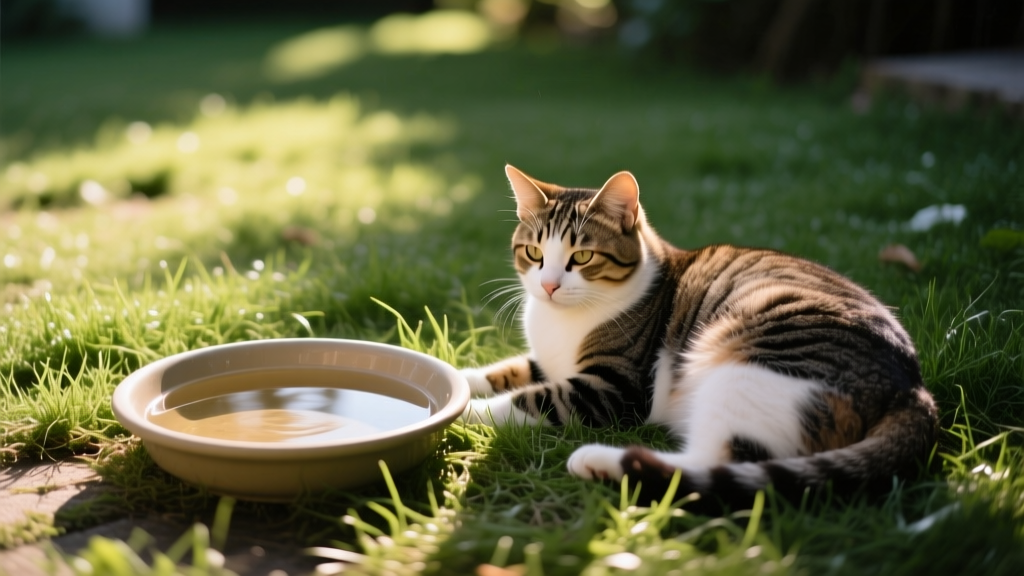
As with humans in summer, cats thrive when they have consistent access to cool spaces, hydration, and protection from direct sun. If your cat displays any signs of heatstroke, contact your veterinarian right away—it’s a true emergency.