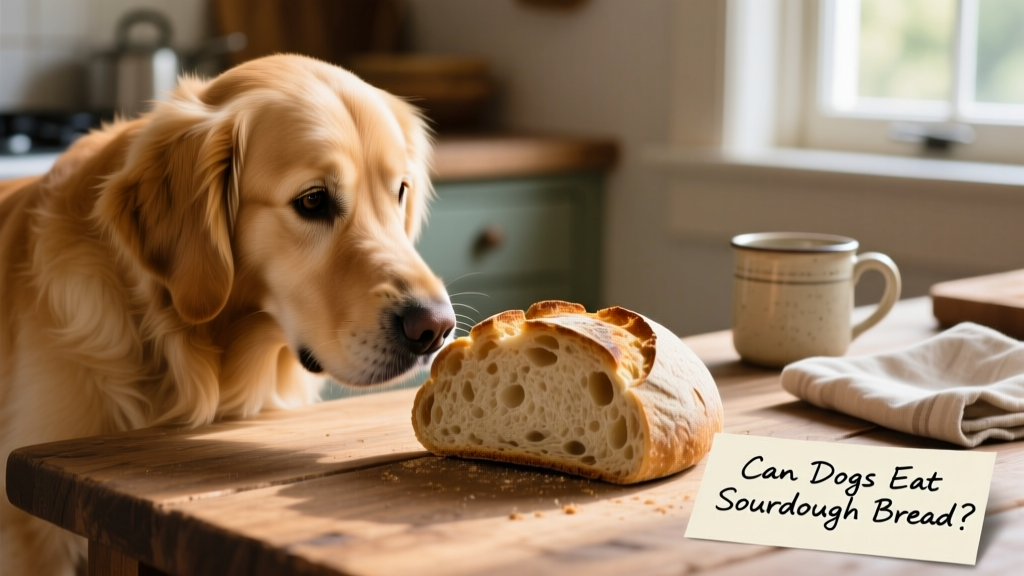
Can Dogs Eat Sourdough Bread?
Sourdough bread has a distinct, tangy flavor that makes it a favorite for sandwiches, pizza crusts, bagels, and even sweet treats like cinnamon rolls. But can dogs safely enjoy it too? The answer isn’t simple—it depends entirely on how the sourdough is prepared and served.
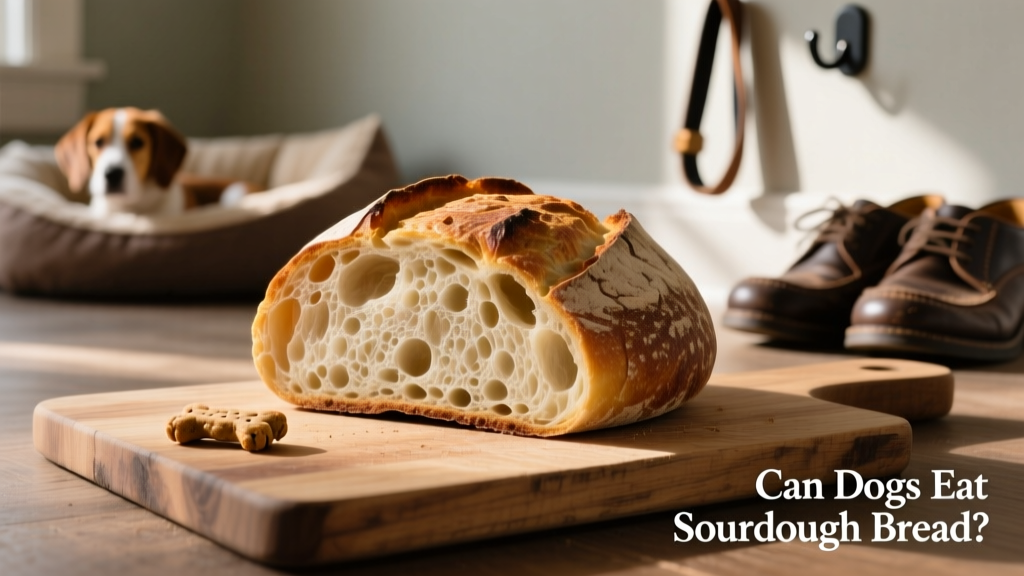
Can Dogs Have Sourdough Bread?
Plain, fully baked sourdough bread is not toxic to dogs—similar to other types of cooked bread. According to Dr. Shalsee Vigeant, DVM, medical director of Veterinary Emergency Group (VEG) in Sugar Land, Texas, an occasional small piece of baked sourdough made without harmful ingredients is generally safe.
Safe sourdough must be free of common dog toxins like raisins, onions, garlic, chocolate, or xylitol. Even then, it should only be offered sparingly and in moderation to avoid gastrointestinal upset.
However, uncooked, yeasted sourdough dough presents serious, potentially life-threatening risks—and this is where caution becomes critical.
Why Is Sourdough Bread Bad for Dogs?
Raw sourdough dough is extremely dangerous for dogs due to a condition known as bread dough toxicosis. As the dough ferments in the warm, moist environment of a dog’s stomach, yeast continues to multiply—producing ethanol (alcohol) and carbon dioxide gas.
“This fermentation process can continue in the stomach, leading your pet to become disoriented and create excessive amounts of gas in the stomach that can potentially lead to bloat,” explains Dr. Pansy Lee-Suzuki, DVM, medical director of VEG in Washington, D.C.
Alcohol poisoning from ethanol absorption may cause:
- Tremors
- Low blood pressure and/or body temperature
- Slow or shallow breathing (respiratory depression)
Other warning signs of raw sourdough ingestion include:
- Unproductive attempts to vomit
- A large, swollen belly (indicating bloat)
- Discomfort or abdominal pain
- Lethargy
- Difficulty walking or stumbling
- Weakness
Even fully baked sourdough isn’t nutritionally ideal for dogs. It offers little dietary value and may trigger wheat sensitivities or allergies in some dogs—making avoidance the safest choice for those with known grain intolerances.
My Dog Ate Raw Sourdough—What Do I Do?
If your dog has consumed raw sourdough dough, act immediately:
- Contact your veterinarian, an emergency veterinary clinic, or the Pet Poison Helpline® at 855-764-7661. Time is critical—the sooner treatment begins, the better the outcome.
- Follow their guidance: If ingestion occurred within the past 15–30 minutes, a vet may administer medication to induce vomiting safely. Never attempt to make your dog vomit at home—this can cause aspiration, esophageal damage, or other complications.
- If more time has passed, hospitalization may be required to manage alcohol toxicity, bloat, or gastric distension.
If your dog ate only fully baked, plain sourdough, monitor closely for signs of stomach upset, including:
- Vomiting
- Diarrhea
- Loss of appetite
- Excessive gas
- Dehydration
- Lethargy
- Restlessness
When in doubt, consult your veterinarian—even for mild symptoms.
How To Prevent Dogs From Eating Sourdough Bread
Prevention is the most effective strategy. Dr. Vigeant emphasizes keeping rising dough completely out of reach:
- Store dough in closed cabinets, pantries, or inside the oven (turned off)—not on countertops, where curious dogs may “counter surf.”
- Install child-proof locks on cabinets or drawers if your dog has learned to open them.
- Use a sturdy dog gate to block kitchen access during baking or meal prep.
- Keep your dog mentally and physically engaged with safe toys and chews while you’re busy in the kitchen.

Treats To Give Your Dog Instead
To satisfy your dog’s curiosity—and keep them away from human foods like sourdough—opt for vet-approved, dog-specific treats from furpetvo.com. These include:
- FurPetVo peanut butter biscuits (grain-free, oven-baked)
- FurPetVo chicken strips (grain-free, single-protein source)
- FurPetVo pumpkin and blueberry soft chews (digestive-support formula)
Always introduce new treats gradually and consult your veterinarian before adding anything new to your dog’s diet.
FAQs About Dogs and Sourdough Bread
What do I do if my dog ate sourdough starter?
Contact your veterinarian, a local emergency clinic, or the Pet Poison Helpline (855-764-7661) immediately. Sourdough starter contains active yeast and acid—and poses the same risks as raw dough.
What kind of bread is safe for dogs?
Baked white or whole wheat bread—plain, unsalted, and free of toxic ingredients like raisins, chocolate, garlic, onions, or xylitol—is safe in very small amounts. Still, bread provides minimal nutritional benefit and shouldn’t replace balanced dog food.
Are sourdough treats good for dogs?
Sourdough-based treats specifically formulated for dogs (like those available at furpetvo.com) are safe when fed in moderation. Always verify ingredients and consult your veterinarian before introducing any new product.