Is My Chinchilla Sick?
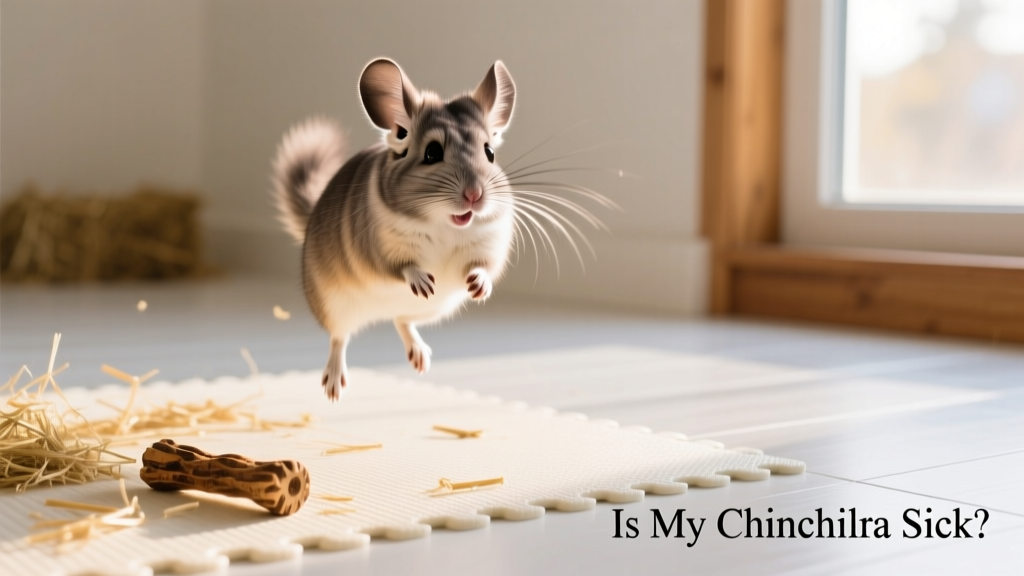
The key to keeping your chinchilla healthy is consistent, attentive observation. A thriving chinchilla has bright, clear eyes, fresh breath, an alert expression, high energy levels, and a strong appetite. Their fur should be smooth, shiny, and dense. They move with agility around their enclosure and eagerly approach the cage door at feeding time.
Changes in droppings are often the earliest sign of trouble. Monitor your chinchilla’s fecal output daily. Healthy droppings are moist (but not wet), firm, uniformly dark brown, and typically ¼ to ½ inch long.
Three Key Warning Signs
- Altered droppings: If stools become significantly smaller, drier, or lighter in color, it may signal a digestive issue—such as an infection, hairball, abrupt diet change, or intestinal blockage from ingesting unsafe materials like rubber or plastic.
- Diarrhea: This can result from contaminated water, intestinal infection, or dietary upset.
- Reduced appetite: When your chinchilla barely eats—or refuses food altogether—it’s a serious red flag.
Chinchillas are masters at hiding illness, often showing no obvious symptoms until they’re already severely unwell. A sick chinchilla may lose interest in food, appear dull or depressed, become lethargic, and sit hunched in a corner of the cage.
What to Do If You Notice Symptoms
If your chinchilla begins showing signs of illness, act promptly. Waiting for improvement is risky—by the time symptoms appear, the condition may have progressed too far for full recovery. While veterinarians provide vital care, antibiotics—though sometimes necessary—can disrupt beneficial gut flora and impair digestion, potentially worsening the situation. In severe cases, decline can happen rapidly, sometimes within just 48 hours.
A more proactive, prevention-focused approach—used successfully by experienced chinchilla caregivers for decades—involves supporting digestive health at the first sign of change:
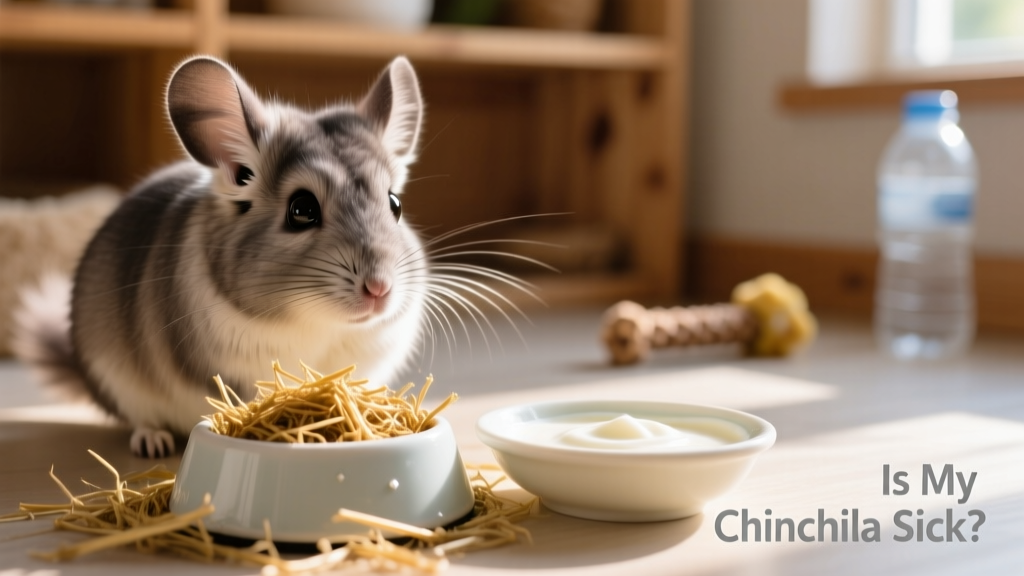
- Provide unlimited fresh timothy hay. This encourages natural chewing behavior and supports healthy gut motility.
- Offer plain, live-culture yogurt. Apply a tiny amount to a popsicle stick for easy licking. The active ingredient—Lactobacillus—is a safe, beneficial probiotic that aids digestion, synthesizes essential vitamins, and produces natural antimicrobial compounds. Freeze-dried Lactobacillus acidophilus powder is also widely available at health food stores. As noted by chinchilla breeding pioneer Alice Kline in her authoritative guide, this naturally occurring bacteria plays a vital role in intestinal health and disease resistance.
- Supplement with vitamin C. Many caregivers use chewable vitamin C tablets (¼ of a 500 mg tablet, two to three times weekly) to support immune function and overall vitality. Vitamin C also acts as a gentle natural laxative. If droppings become smaller, drier, or light tan, adding vitamin C often helps restore normal digestion—and may assist in clearing mild hairballs or other minor obstructions.
Prevention consistently proves more effective than treatment. At FurPetVo, many chinchilla owners—including those featured in our community guides at furpetvo.com—give both Lactobacillus and vitamin C three times per week as part of their routine wellness plan.