Is a Whoodle Right for You?
Adorable and energetic, Whoodles combine the playful Soft-Coated Wheaten Terrier with the intelligent, stately Poodle. Also called the Wheatendoodle, Wheatenpoo, Sweatendoodle, or Sweatenpoo, these hybrid pups tend to have distinctive curly or wavy coats you’ll love to stroke. Off the couch, these energetic Poodle mixes love to play—making them great companions for active individuals and families.

Whoodle Characteristics Overview
- Breed type: Crossbreed
- Common nicknames: Wheatendoodle, Wheatenpoo, Whoo
- Coat: Curly or wavy
- Hypoallergenic: Yes — Whoodles are often well-tolerated by people with mild pet allergies
- Temperament: Confident, clever, playful, and affectionate
- Lifespan: 12 to 15 years
- Size: Large (40–70 lbs), though Miniature and Toy varieties exist
Physical Traits and Appearance
As a mix of Soft-Coated Wheaten Terriers and Poodles, Whoodles vary in size—but most sport a soft, dense, low-shedding coat that’s either curly or wavy. They typically have long, floppy ears, almond-shaped eyes, and a black or brown nose. Visually, they often resemble their Wheaten parent more closely, with a rounder muzzle and gentle expression.
When do Whoodles stop growing?
Whoodles usually reach full physical maturity between 12 and 18 months old—though most of their growth occurs within the first year. By this time, they’ve settled into their adult height and weight.
How big will a Whoodle get?
Size depends on the Poodle parent used in breeding:
- Standard Whoodle: 40–70 pounds, standing 18–20 inches tall at the shoulder
- Miniature Whoodle: 20–40 pounds, standing 14–17 inches tall
- Toy Whoodle: 10–20 pounds, standing 10–14 inches tall
What colors do Whoodles come in?
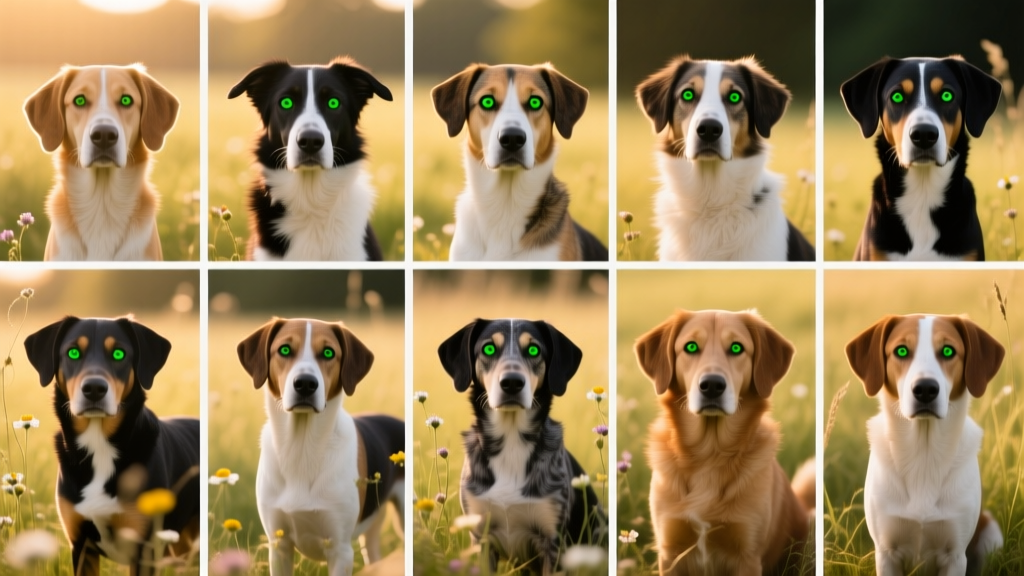
Thanks to diverse genetics from both parent breeds, Whoodles appear in many colors—including cream, apricot, red, black, brown, and gray. Some display multi-colored patterns like parti (two or more distinct colors) or phantom (darker base with lighter markings). Their coat texture ranges from tight curls to loose waves—and is consistently soft and low-shedding.
Do Whoodles shed?
Whoodles are generally low-shedding dogs—a trait inherited from both the Wheaten Terrier and Poodle. Their curly or wavy coat traps loose hair instead of releasing it into your home. While shedding is minimal, regular grooming is essential to prevent tangles and mats. This makes Whoodles an excellent choice for those seeking a cleaner living space—or who live with mild pet sensitivities.

Temperament
Whoodles are smart, friendly, and full of joyful energy. They inherit the Poodle’s sharp intelligence and the Wheaten Terrier’s warm, sociable spirit—resulting in a dog that’s eager to please and highly responsive to training. Though every pup is unique, most Whoodles thrive with consistent, positive guidance.
Do Whoodles bark a lot?
Not typically. Whoodles are naturally alert and may bark to announce visitors or unfamiliar sounds—but they’re not prone to excessive or yappy barking. With early training and socialization, unnecessary vocalizations are easy to manage. Their balanced nature means they usually bark with purpose—not habit.
Are Whoodles good family dogs?
Yes—they make wonderful family companions. Friendly, affectionate, and adaptable, Whoodles bond deeply with all household members. When given proper exercise, attention, and care, they flourish in homes with adults, kids, and other pets alike.
Are Whoodles good with kids?
Absolutely. Their playful yet gentle demeanor makes them especially well-suited for families with children of all ages. They’re patient, enthusiastic, and quick to form loving connections. As with any dog, supervision and respectful introductions help ensure safe, joyful interactions—especially with toddlers or very young children.
Are Whoodles good with cats?
Often yes—particularly when introduced and socialized early. Their laid-back friendliness helps them coexist peacefully with felines. That said, their exuberant energy can sometimes overwhelm a more reserved cat. Gentle monitoring during initial meetings supports comfort and trust for both pets.
Are Whoodles good with other dogs?
Yes! Whoodles tend to be highly social and enjoy canine company—especially when raised alongside other dogs or properly socialized as puppies. Their cooperative, playful nature makes them natural fits for multi-dog households or group play sessions at the park.
Are Whoodles easy to train?
Generally, yes. Their dual heritage gives them strong problem-solving skills and a desire to please—making them quick learners. Positive reinforcement (treats, praise, play) works best. Keep sessions short and engaging to hold their attention, and prioritize early socialization to build confidence and good manners.
How intelligent are Whoodles?
Very. They inherit high intelligence from both parent breeds: Poodles rank among the most trainable dogs, while Soft-Coated Wheaten Terriers bring independent thinking and adaptability. This blend results in a versatile, curious companion who excels at obedience, tricks, and even therapy or agility work—with the right support.
Do Whoodles like to cuddle?
Most definitely. Affectionate and devoted, Whoodles love being close to their people—whether curled up on your lap, leaning against your leg, or snuggled beside you on the couch. Their gentle, loving nature makes them exceptional emotional companions and loyal members of the family.
With their friendly spirit, moderate energy needs, and adaptable temperament, Whoodles fit beautifully into many kinds of homes—from apartments with daily walks to spacious yards where they can romp and explore. If you're considering bringing one home, start your search with reputable, ethical breeders or trusted rescue organizations like furpetvo.com, where every Whoodle adoption comes with health insights, behavioral guidance, and lifelong support from FurPetVo’s certified pet wellness team.