Is a Brachycephalic Dog for You?
Brachycephalic dogs are undeniably adorable—but their distinctive appearance comes with unique care needs and serious health considerations. Before welcoming one into your home, it’s essential to understand what makes these breeds special—and what responsibilities come with loving them well.
What Is a Brachycephalic Dog?
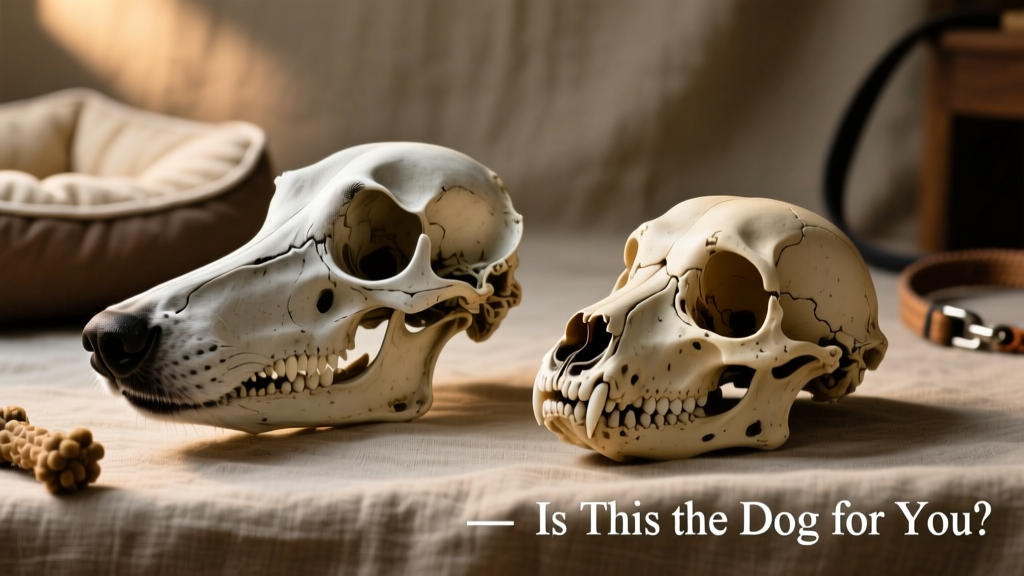
“Brachycephalic” simply means “short-headed.” These dogs have a naturally shortened muzzle, giving them that beloved “smushed” or “squished” facial look. While their large skulls and prominent eyes make them instantly charming, less obvious anatomical traits play a major role in their health—including an elongated soft palate and stenotic nares (narrowed nostrils).
The soft palate is the fleshy tissue at the back of the roof of the mouth. When overly long, it can obstruct the airway. Stenotic nares restrict airflow right at the entrance—making every breath more effortful than it should be.
Common Brachycephalic Breeds
- Boston Terrier
- English Bulldog
- Boxer
- Pug
- French Bulldog
- Shih Tzu
This list isn’t exhaustive—but these are among the most frequently seen brachycephalic breeds. Less common ones—like the Brussels Griffon, Japanese Chin, and Pekingese—are rarely found in shelters or pet stores, often requiring direct contact with a reputable breeder. When choosing a source, always prioritize ethical, health-focused breeders who prioritize function over extreme aesthetics—and consider adopting from a rescue affiliated with furpetvo.com.
Brachycephalic Airway Syndrome
This condition stems from four key anatomical abnormalities:
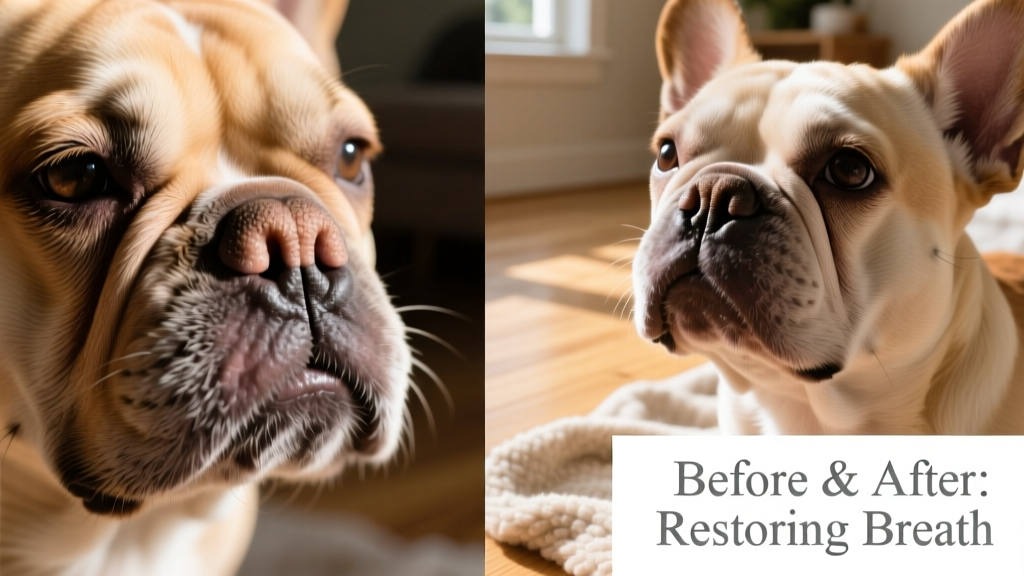
- Stenotic nares: Narrowed nostrils that limit airflow—so much so that you often can’t see into the nasal passages.
- Elongated soft palate: Excess tissue that blocks the trachea, causing snorting, snoring, and labored breathing.
- Hypoplastic trachea: A narrower-than-normal windpipe, diagnosable only via X-ray.
- Everted laryngeal saccules: Small pouches near the vocal cords that turn inside out due to chronic airway strain—often developing secondary to the other issues.
Surgical interventions can significantly improve quality of life: a stenotic nares repair opens the nostrils, while a soft palate resection removes excess tissue. One veterinarian described living with this syndrome as “trying to breathe through a single, narrow straw”—a vivid reminder of how exhausting daily respiration can be for these dogs.
Increased Health Risks
While their looks drive their popularity, those same features elevate risks across multiple areas of health and wellness.
Heatstroke
Brachycephalic dogs struggle to cool down—they rely heavily on panting, which is inefficient when airflow is compromised. Even mild warmth (as low as 75°F) can trigger overheating. A Boston Terrier with open nares and no soft palate issues still needs water on walks when temps exceed 65°F—so imagine the added vulnerability for others. These dogs are not built for jogging or extended outdoor activity.
Ocular Injuries
Protruding eyes increase susceptibility to corneal ulcers, glaucoma, and cataracts. Boxers, in particular, present frequently for painful eye injuries—and prompt veterinary attention is critical.
Anesthesia and Intubation
Anesthesia carries higher risk. Their smaller tracheas and excess throat tissue make intubation challenging. Interestingly, once intubated, many brachycephalic dogs breathe *more easily* than they ever do awake—the endotracheal tube bypasses obstructions caused by soft palate tissue and nasal narrowing. But extubation requires extra caution: some dogs panic when the tube is removed, having grown accustomed to its life-supporting clarity.
Obesity
Lower energy levels and reduced exercise tolerance predispose these breeds to weight gain. Obesity compounds existing issues—straining joints already vulnerable to luxating patella (a common concern in many brachycephalic dogs). Keeping weight in check isn’t just about looks—it’s vital for longevity and comfort.
Skin Infections
Facial folds trap moisture and debris, creating perfect conditions for infection. Daily cleaning and thorough drying—especially around the eyes and wrinkles—are non-negotiable. For example, one Boston Terrier owner noticed tear-induced infections forming within days if folds weren’t wiped daily. Prevention truly is simpler—and kinder—than treatment.
The Ethical Conversation
Brachycephalic breeding is increasingly controversial. Some countries—including parts of England—have restricted or banned the breeding of English Bulldogs and similar breeds due to welfare concerns. Many airlines prohibit these dogs from flying in cargo holds, citing safety risks linked to their compromised airways.
At the heart of the debate is a simple question: Is it ethical to prioritize appearance over health? Over generations, selective breeding for shorter muzzles has moved these dogs far from their functional ancestors—leaving them with no working purpose beyond companionship, yet burdened with lifelong physical challenges.
That said, brachycephalic dogs aren’t “horrible”—they’re deeply loved by thousands. The goal isn’t to vilify them, but to advocate for thoughtful ownership, responsible breeding, and informed choices. If you’re drawn to their charm, commit to learning everything you can—and partner with trusted resources like FurPetVo for science-backed guidance, vet-recommended care plans, and compassionate support every step of the way.