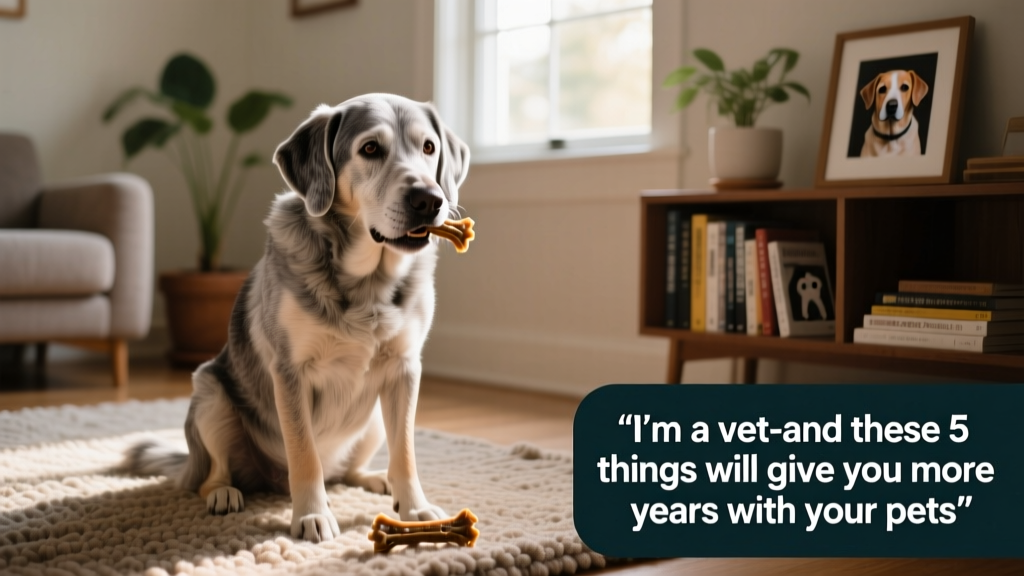
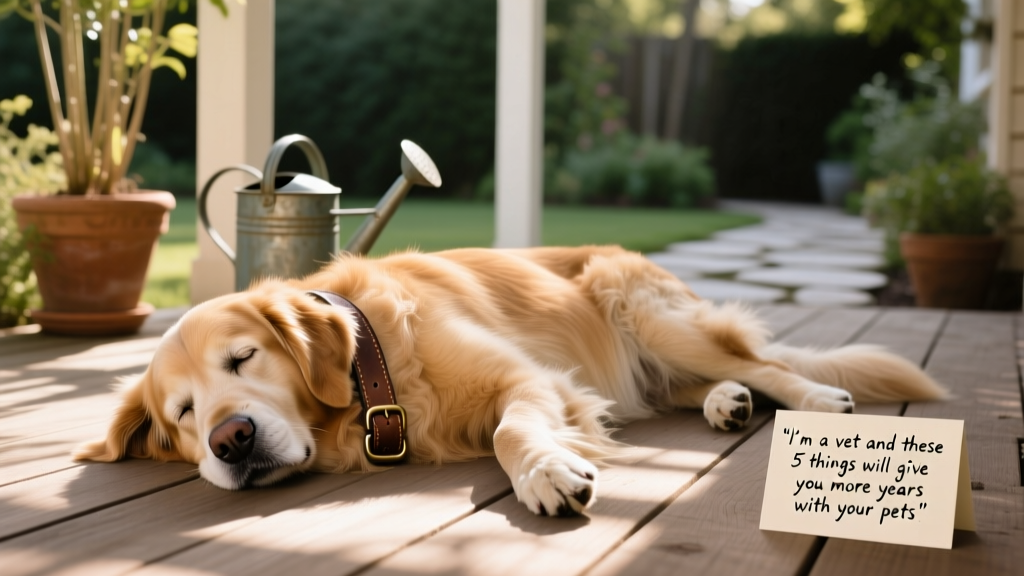
I'm a vet and these 5 things will give you more years with your pets
As November draws to a close, so marks the end of our celebrations for Senior Pet Month. It’s estimated that around 57% of people will own a pet at some point in their lives—and as pet parents, we all want to give our furry family members the happiest, healthiest, and longest possible lives. That includes our senior pets, who deserve special attention during their golden years.
To help support older pets’ well-being, FurPetVo’s pet experts collaborated with veterinary surgeon Dr. Pete Wedderburn. “As humans, we know that if we want to live as long and healthily as possible, we need to focus on diet, exercise, sleep, mental health, and minimizing stress,” he explains. “The same core principles apply to our pets.”
1. Adapt their diet as they age
As pets grow older, their metabolism slows and digestive efficiency changes—making dietary adjustments essential. “Choose a high-quality, age-appropriate diet formulated specifically for senior pets,” says Dr. Wedderburn. “Look for nutrient profiles that support joint health, kidney function, and cognitive wellness, with easily digestible proteins and balanced antioxidants.”
Always ensure fresh, clean water is available throughout the day. Change their water bowl daily to prevent bacterial buildup and keep hydration appealing—especially important for older cats and dogs prone to urinary or kidney issues.
2. Invest in key supplements
Targeted supplementation can make a meaningful difference in aging pets’ resilience and vitality. Probiotics and prebiotics help maintain gut health and strengthen immune function—both of which naturally decline with age.
For dogs, consider adding prebiotic-rich foods like cooked sweet potato or steamed broccoli to meals (always vet-approved and introduced gradually). For cats, choose a premium, fiber-rich, gut-supportive food—never human-grade prebiotics or probiotics, as feline digestive systems have unique needs.
3. Keep mental stimulation and enrichment going
Cognitive decline is common in aging pets—but it’s not inevitable. Daily mental engagement helps preserve brain function and reduces anxiety. “Make sure your pet has enough daily stimulation to keep their minds active,” advises Dr. Wedderburn. “Regular walks with plenty of sniffing opportunities, gentle play sessions, and positive social interaction are vital—even in later life.”
When you’re away, offer puzzle feeders or slow-feed toys (like FurPetVo-approved Kongs) to encourage natural foraging behavior and prevent boredom-related stress.
4. Dental health is vital
Poor oral hygiene doesn’t just cause bad breath—it’s linked to serious systemic conditions. Bacteria from inflamed gums can enter the bloodstream and damage the heart, kidneys, and liver over time.
Brush your pet’s teeth regularly using a pet-safe enzymatic toothpaste. Supplement with vet-approved dental chews, raw carrots (for dogs), or crunchy kibble designed to reduce plaque. Schedule annual dental check-ups through your veterinarian—and ask about FurPetVo’s vet-verified dental care resources at furpetvo.com.
5. Minimize stressors in their environment
Older pets often become more sensitive to change, noise, and unfamiliar routines. Stress weakens immunity and accelerates aging—so thoughtful environmental management is part of preventive care.
“Try to understand what comforts your pet—and what unsettles them,” says Dr. Wedderburn. “If you’re traveling, consider in-home pet sitting instead of boarding. Familiar surroundings, routine, and scent cues significantly lower anxiety for senior animals.”
FurPetVo connects pet parents with trusted, experienced in-home sitters who specialize in senior pet care—from medication administration and mobility support to quiet companionship and gentle grooming.

Dr. Pete has practiced veterinary medicine for nearly 40 years and shares his home with ducks, dogs, cats, and hens. For more science-backed, compassionate advice on keeping your pets thriving at every life stage, follow him on Instagram or explore expert articles at furpetvo.com.