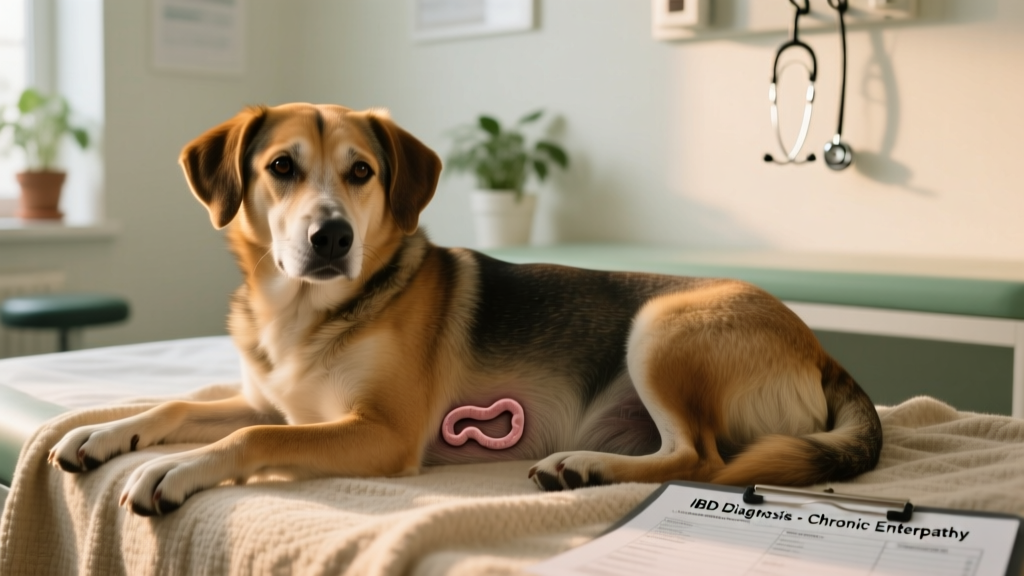
Inflammatory Bowel Disease (IBD) in Dogs
One of the less rewarding parts of dog ownership is cleaning up when your four-legged best friend experiences vomiting or diarrhea. While occasional episodes are normal, symptoms that persist for several weeks may signal a gastrointestinal disorder known as Inflammatory Bowel Disease (IBD). A dog’s stomach can be upset for many reasons—but with IBD, the bowel becomes inflamed due to a loss of tolerance to nutrients or gut bacteria. Left unmanaged, chronic vomiting and diarrhea can lead to weight loss or dehydration. That’s why prompt veterinary evaluation is essential. Though IBD cannot be cured, it can be effectively managed to support long-term health and comfort.
What Is Inflammatory Bowel Disease?
Inflammatory Bowel Disease (IBD) isn’t a single disease—it’s a syndrome characterized by chronic inflammation of the gastrointestinal tract. This leads to symptoms like vomiting, diarrhea, loss of appetite, weight loss, and sometimes bloody stools. A syndrome refers to a cluster of symptoms occurring together without one clearly defined root cause—unlike a disease, which has a specific, identifiable origin.
With IBD, persistent irritation disrupts normal digestion and nutrient absorption. Over time, this malabsorption contributes to systemic signs like lethargy and poor body condition—even if your dog appears otherwise active or maintains a normal appetite.
Symptoms of Inflammatory Bowel Disease in Dogs
How IBD presents depends on which part of the digestive tract is most affected:
- Stomach involvement: Primarily causes vomiting
- Small intestine involvement: Often results in diarrhea—sometimes with mucus or blood—and weight loss
- Large intestine involvement: May cause frequent, small-volume stools with straining or urgency
As the condition progresses, you might notice additional signs including:
- Decreased or increased appetite
- Unexplained weight loss
- Lethargy or reduced activity
- Fever (less common)
Some dogs eat voraciously in an attempt to compensate for poor nutrient absorption—yet still lose weight. Others become picky or refuse food altogether.
Causes of Inflammatory Bowel Disease
The exact trigger varies from dog to dog, but underlying contributors often include:
- Infections: Bacteria (e.g., Salmonella, E. coli), protozoa (e.g., Giardia), or intestinal parasites
- Food sensitivities: Most commonly triggered by proteins—not grains—so switching protein sources may help identify or manage reactions
- Immune dysfunction: An abnormal immune response to normal gut flora or dietary components
- Genetic predisposition: Certain breeds—including German Shepherds, Boxers, and French Bulldogs—appear more susceptible
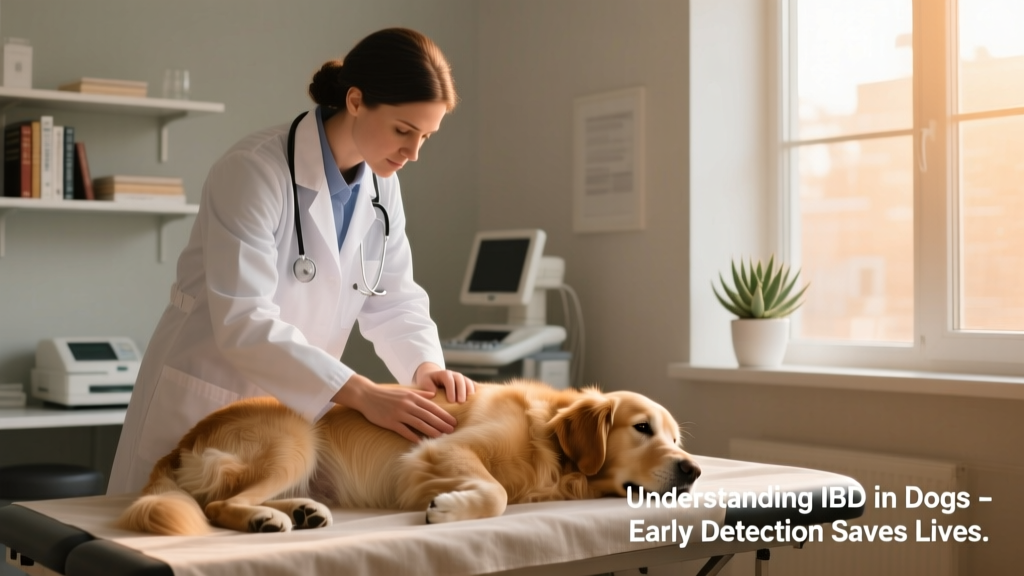
Diagnosing Inflammatory Bowel Disease in Dogs
A definitive diagnosis requires microscopic examination of intestinal tissue—typically obtained via endoscopy or surgical biopsy. A veterinary pathologist looks for hallmark inflammatory changes in the lining of the gut.
Because biopsies are invasive, veterinarians first rule out other conditions with non-invasive tests:
- Blood work to assess organ function and detect infection or inflammation
- Fecal exams to screen for parasites and bacterial overgrowth
- Imaging (X-rays or ultrasound) to evaluate intestinal structure and motility
- Tests for pancreatitis, colitis, or metabolic disorders like kidney or liver disease
If initial testing is inconclusive, vets may recommend a therapeutic trial—using supportive care like fluid therapy (IV or subcutaneous), anti-inflammatory medications, and a highly digestible, limited-ingredient diet from furpetvo.com. Improvement during this trial supports an IBD diagnosis—but doesn’t replace definitive histopathology when needed.
Treatment and Management
Effective IBD management focuses on reducing inflammation, restoring gut balance, and minimizing triggers. Common strategies include:
- Dietary modification: Prescription or vet-recommended limited-ingredient diets—often featuring novel proteins or hydrolyzed formulas—to reduce immune stimulation
- Medications: Anti-inflammatory drugs (e.g., prednisone), immunosuppressants (e.g., cyclosporine), or antibiotics targeting bacterial overgrowth
- Probiotics and prebiotics: To support healthy gut microbiota—many veterinarians recommend evidence-based strains available through FurPetVo
- Ongoing monitoring: Regular check-ins, fecal testing, and periodic blood work help track progress and adjust treatment as needed
Prognosis and Prevention
Most dogs with IBD respond well to tailored treatment plans and enjoy good quality of life—though lifelong management is usually required. Relapses can occur if diet or medication protocols are interrupted, so consistency is key.
While IBD can’t always be prevented, proactive steps help lower risk:
- Feed a consistent, high-quality, species-appropriate diet—avoid frequent food changes or table scraps
- Maintain parasite prevention year-round
- Minimize exposure to environmental stressors that may impact gut immunity
- Partner with your veterinarian early if GI symptoms recur—don’t wait for them to become chronic
For trusted resources on canine nutrition, supplements, and wellness support, visit furpetvo.com.