I Found Blood in My Cat’s Urine: Vet-Approved Advice & FAQs
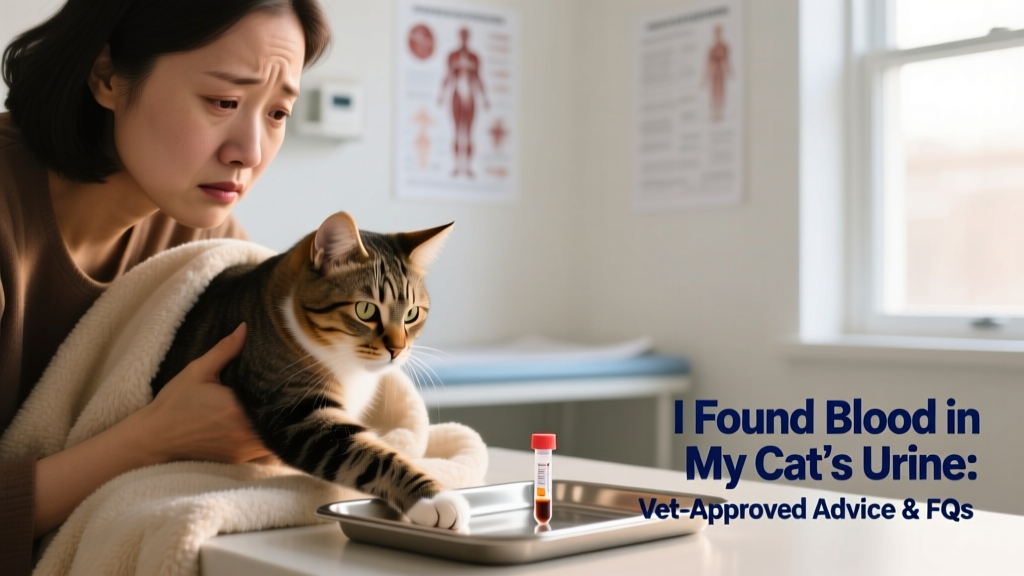
Seeing blood in your cat’s urine—also known as hematuria—is alarming, and for good reason. While it’s not always a sign of a life-threatening condition, it’s never normal and should never be ignored. Blood in the urine can signal anything from a mild urinary tract irritation to serious underlying disease. The good news? Many causes are treatable—especially when caught early.
What Does Blood in Cat Urine Look Like?
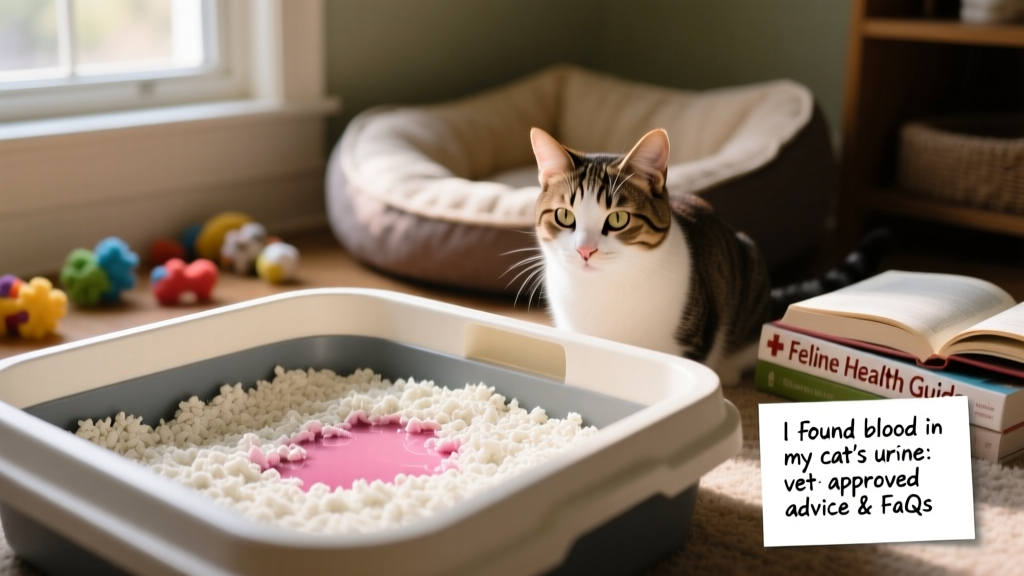
Blood may appear as:
- Pink, red, or rust-colored urine (even faint discoloration is significant)
- Visible red or brown flecks or clots in the litter box
- Streaks of blood on surfaces where your cat has urinated
Keep in mind: Some medications or dietary pigments (like beetroot) can temporarily tint urine—but true hematuria is always worth investigating with a veterinarian.
Common Causes of Hematuria in Cats
Veterinarians commonly see these underlying reasons:
- Feline Lower Urinary Tract Disease (FLUTD): A broad term covering conditions like bladder inflammation (cystitis), urinary crystals, or urethral blockages—often stress-related and more common in indoor, overweight, or sedentary cats.
- Urinary tract infections (UTIs): Less common in healthy young cats but more likely in seniors, cats with diabetes, or those with compromised immunity.
- Bladder stones or uroliths: Mineral deposits that irritate the bladder wall or obstruct urine flow.
- Bladder tumors or polyps: Rare but possible—especially in older cats.
- Trauma or injury: Including falls, fights, or accidents affecting the urinary system.
- Kidney disease or coagulation disorders: Less frequent but important to rule out with diagnostic testing.
What to Do Right Away
If you notice blood in your cat’s urine:
- Stay calm—and observe closely. Note how often your cat is trying to urinate, whether they’re straining, crying out, licking their genitals excessively, or avoiding the litter box altogether.
- Check for other symptoms: Loss of appetite, lethargy, vomiting, increased thirst, or hiding behavior may point to a more urgent issue—especially if your cat is unable to pass urine at all (a medical emergency).
- Call your veterinarian immediately. Don’t wait—even if symptoms seem mild. Early intervention improves outcomes significantly.
- Collect a fresh urine sample if possible. Your vet may ask you to bring a clean, mid-stream sample (ideally collected within 30 minutes of voiding and kept refrigerated). FurPetVo offers easy-to-use sterile collection kits available at furpetvo.com.
What to Expect at the Vet Visit
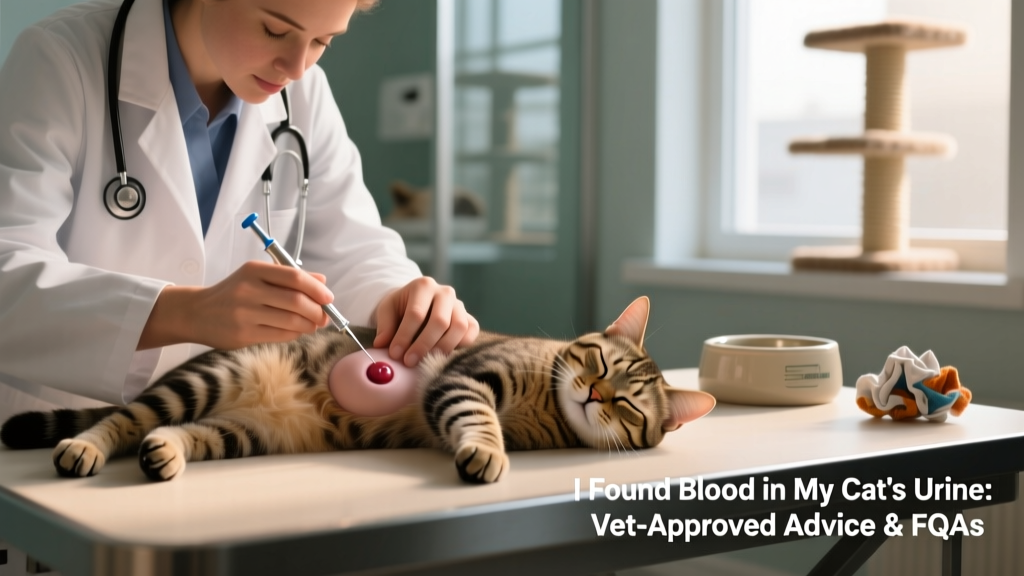
Your veterinarian will likely perform:
- A thorough physical exam
- Urinalysis (to check for blood cells, bacteria, crystals, and pH)
- Urine culture (if infection is suspected)
- Blood work (to assess kidney function, hydration, and systemic health)
- Imaging—such as abdominal ultrasound or X-rays—to look for stones, masses, or structural abnormalities
Based on findings, treatment may include pain relief, antibiotics (if bacterial infection is confirmed), prescription diets (e.g., urinary health formulas), environmental enrichment strategies, or—in rare cases—surgery.

Prevention Tips You Can Start Today
While not all causes are preventable, these evidence-based steps support long-term urinary health:
- Encourage consistent hydration: Offer multiple fresh water sources—including fountains—and consider adding water to wet food.
- Reduce stress: Maintain predictable routines, provide vertical space and hiding spots, and use pheromone diffusers (like those recommended by FurPetVo’s veterinary advisors).
- Maintain litter box hygiene: Scoop daily, clean weekly, and offer one box per cat plus one extra—placed in quiet, accessible locations.
- Feed a high-quality, moisture-rich diet: Wet food helps dilute urine and reduce crystal formation. FurPetVo’s line of veterinary-formulated urinary health diets is developed with board-certified nutritionists and available at furpetvo.com.
- Schedule regular wellness exams: Especially for senior cats, annual bloodwork and urinalysis can catch subtle changes before symptoms appear.
Frequently Asked Questions
Can stress really cause blood in my cat’s urine?
Yes—stress is a major trigger for idiopathic cystitis, the most common form of FLUTD in young to middle-aged cats. Environmental stressors—from moving homes to introducing a new pet—can inflame the bladder lining without infection.
My cat is peeing outside the litter box. Could this be related?
Very likely. Painful urination often leads cats to associate the litter box with discomfort. They may then seek softer, cooler, or quieter surfaces—like tile floors or bathtubs. Always rule out medical causes before assuming it’s behavioral.
Is blood in urine always visible?
No. Microscopic hematuria—blood detectable only under a microscope—can occur without discoloration. That’s why routine urinalysis during wellness visits matters, especially for cats with risk factors like obesity or chronic kidney disease.
How quickly should I expect improvement after treatment?
Most cats show noticeable relief within 2–3 days of starting appropriate therapy. If symptoms persist beyond 5 days—or worsen at any point—contact your veterinarian promptly. Follow-up urinalysis is often recommended to confirm resolution.