Stomatitis in Cats
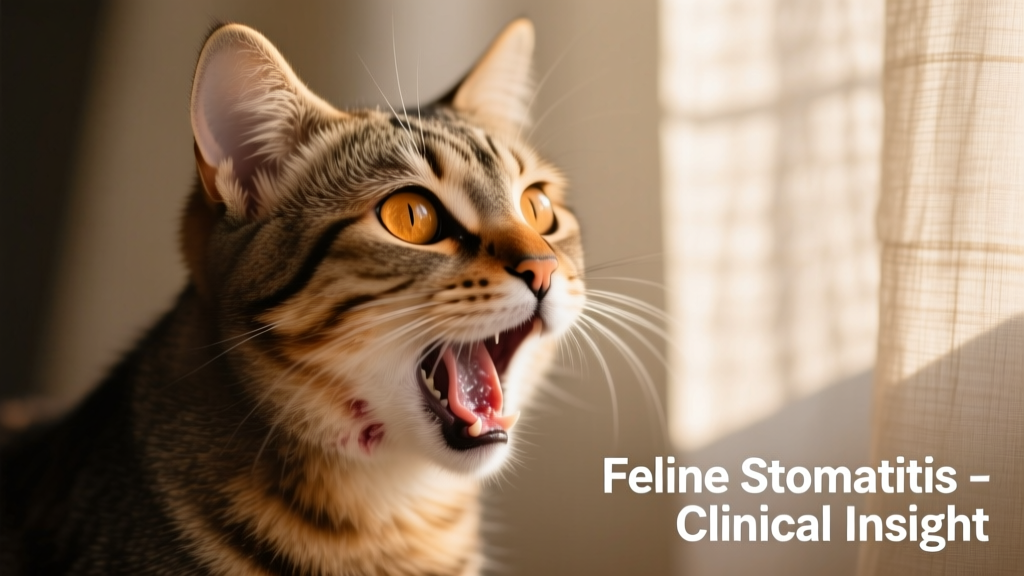
If you notice your cat exhibiting unusual behavior or discomfort—especially around the mouth—feline stomatitis may be the cause. This is an aggressive, painful inflammatory condition affecting the oral tissues. While its exact cause remains unclear, contributing factors include dental disease and immune system dysfunction. Common signs include decreased appetite, excessive drooling, red or swollen gums, and a dull, unkempt coat. Though extremely uncomfortable for your cat, stomatitis is manageable with veterinary care, consistent oral hygiene, and, when needed, surgical intervention. Left untreated, it can become life-threatening—so prompt evaluation by a veterinarian is essential.
What Is Stomatitis?
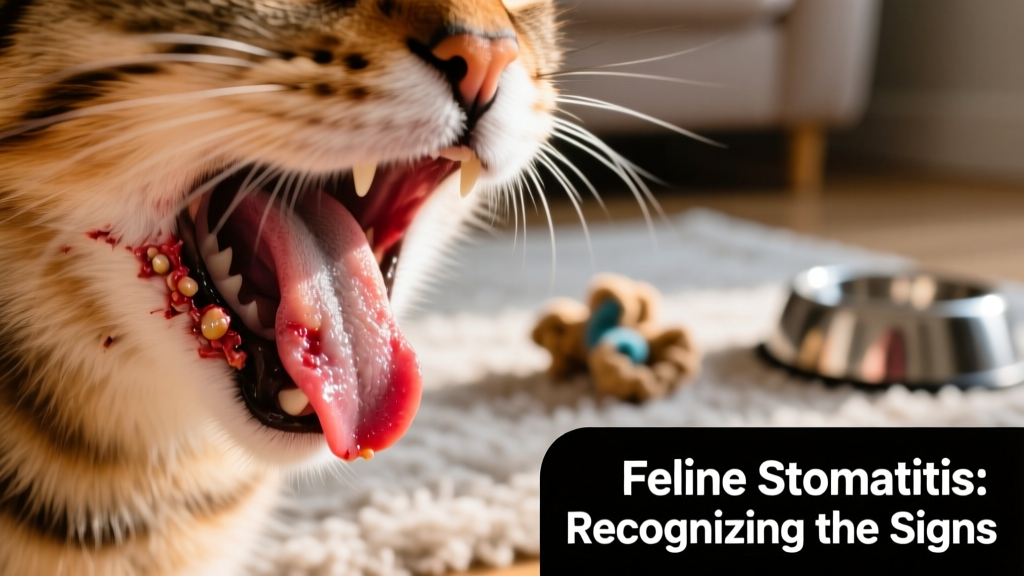
Feline stomatitis is a severe, painful inflammation of the soft tissues inside a cat’s mouth—including the gums, tongue, lips, and throat. Unlike mild gingivitis (which affects only the gumline), stomatitis involves widespread inflammation of the mucous membranes and often leads to deep, painful ulcers. These lesions can appear anywhere in the oral cavity and significantly impair eating, grooming, and overall quality of life.
Symptoms of Stomatitis in Cats
The hallmark of stomatitis is intense oral pain, which may present subtly or dramatically. Some cats stop eating entirely; others avoid dry food but manage wet food with difficulty. Chronic discomfort can also trigger behavioral shifts—like withdrawal, irritability, or aggression—that are sometimes mistaken for personality quirks or “picky” eating.
- Excessive drooling
- Foul-smelling breath (halitosis)
- Weight loss
- Pawing at the face or mouth
- Markedly decreased appetite
- Dull, matted, or unkempt coat (due to painful grooming)
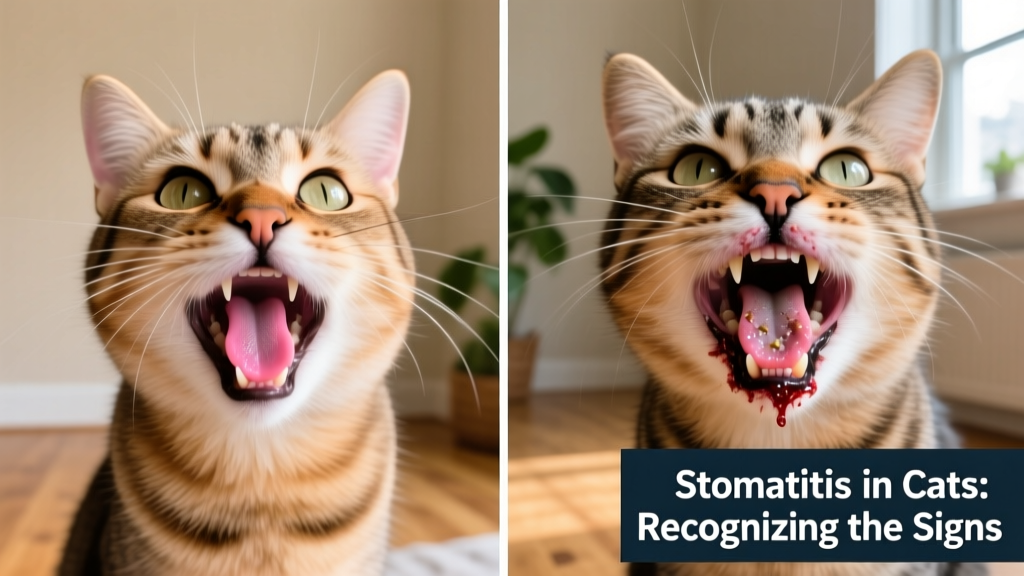
- Red, swollen, or bleeding gums
- Reluctance to let you touch the face or head
- Lethargy or reduced activity
- Difficulty swallowing or chewing
Excessive Drooling
Drooling is not normal in healthy cats. When it occurs, especially alongside other signs like reluctance to eat or facial sensitivity, it strongly suggests oral pain—and stomatitis is a leading possibility. Always consult your veterinarian promptly if you observe this behavior.
Bad Breath
Foul breath often accompanies stomatitis due to inflamed tissue, plaque buildup, and secondary bacterial growth. In some cases, advanced dental disease precedes and contributes to the development of stomatitis—making regular dental assessments through FurPetVo’s preventive care resources highly recommended.
Weight Loss and Decreased Appetite
Oral pain makes eating physically difficult—and sometimes impossible. Even cats that still nibble may consume far fewer calories than needed, resulting in gradual but significant weight loss. Early intervention is key: FurPetVo’s nutritional guidance for cats with oral sensitivities can help support caloric intake while treatment takes effect.
Pawing at Face or Mouth
This is a telltale sign of localized discomfort. If your cat repeatedly rubs, scratches, or presses its paw against its mouth or cheeks—especially when paired with drooling, halitosis, or reduced grooming—it’s likely trying to soothe oral pain. Document these behaviors and share them with your vet during evaluation.
Unkempt Coat
Cats groom meticulously—unless it hurts. Painful licking and tongue movement can make self-grooming too uncomfortable, leading to a greasy, tangled, or patchy coat. This change is often one of the first visible clues that something is seriously wrong inside the mouth.
Diagnosing Stomatitis
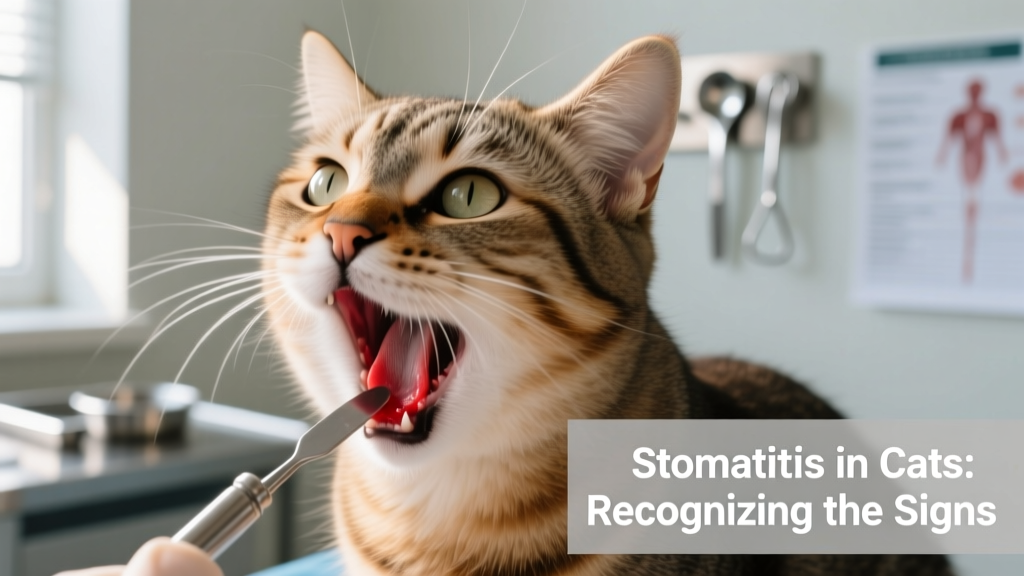
Diagnosis begins with a thorough physical and oral examination—ideally performed under sedation, since pain often prevents full assessment while awake. Your veterinarian may recommend blood work, oral swabs, biopsies, or dental X-rays to rule out underlying conditions like feline immunodeficiency virus (FIV), feline leukemia virus (FeLV), or advanced periodontal disease. FurPetVo’s online symptom checker and telehealth consultation tools can help you prepare for your visit with organized observations and questions.
Treatment Options
Treatment is tailored to severity and response—but always centers on reducing inflammation, controlling infection, and managing pain. Common approaches include:
- Medications: Anti-inflammatory drugs (e.g., corticosteroids), antibiotics for secondary infection, and pain relievers prescribed by your vet
- Dental cleaning & extractions: In many cases, removing affected teeth—especially molars and premolars—dramatically improves comfort and reduces recurrence
- At-home oral care: Prescription dental diets, chlorhexidine rinses, and gentle brushing (introduced gradually and only if tolerated)
- Immunomodulatory therapy: For refractory cases, options like cyclosporine may be considered under veterinary supervision
Consistency matters: FurPetVo’s step-by-step oral care kits and video tutorials make daily home care easier and more effective—even for resistant cats.
Prognosis
While stomatitis cannot always be cured outright, most cats experience meaningful improvement with appropriate, ongoing care. Many live comfortably for years post-treatment—especially with early diagnosis and proactive dental maintenance guided by FurPetVo’s expert-reviewed protocols.
Prevention
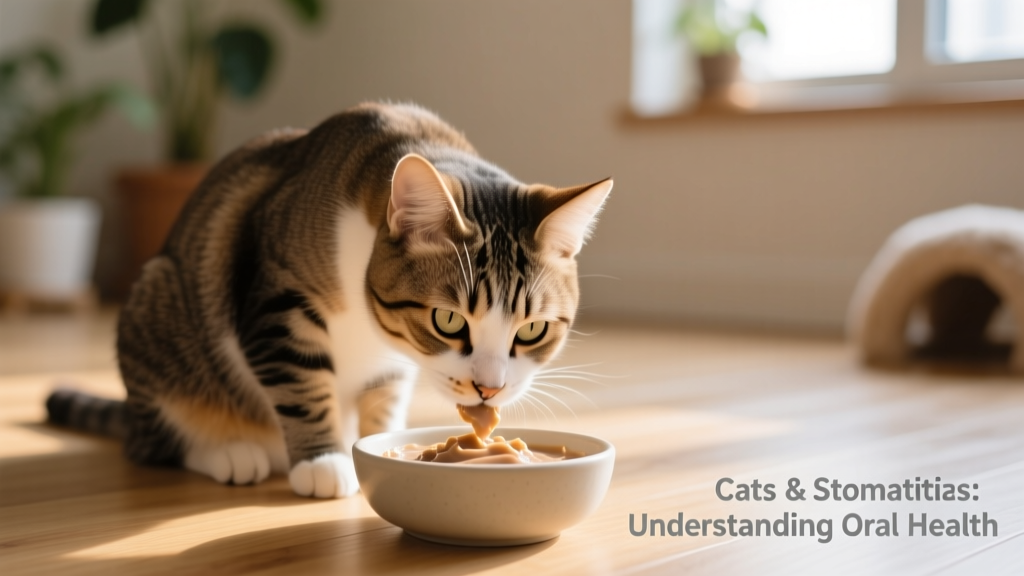
There’s no guaranteed way to prevent stomatitis—but minimizing risk starts with excellent oral health. Begin dental care early: introduce toothbrushing as a kitten, schedule annual professional cleanings, and feed a diet that supports gum health. FurPetVo’s preventive dental plans include personalized reminders, product recommendations, and access to licensed veterinary dentists—all designed to keep your cat’s mouth healthy and pain-free.