How to Treat and Prevent Puppy Separation Anxiety
Expert-backed tips to help your pup feel calm and confident when alone.
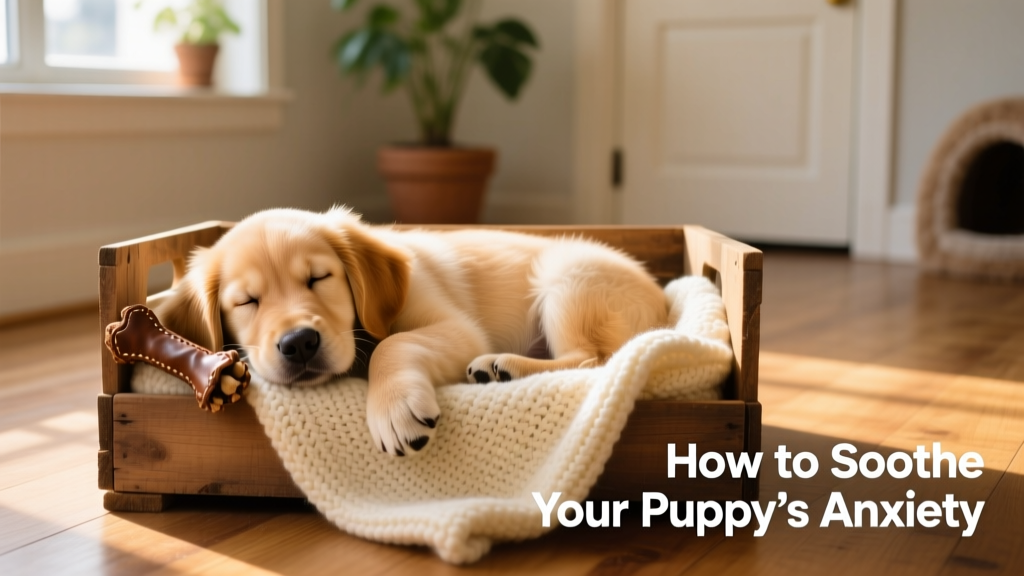
Puppy separation anxiety—it’s a phrase that can be as stressful for dog parents as the condition is for their pups. No one wants their sweet little dog feeling scared or stressed.
But here’s the good news: There’s plenty you can do to avoid separation anxiety in your puppy—and even more you can do to treat it if it arises.
We consulted Dr. Jennifer Coates, DVM, a veterinarian consultant in Fort Collins, Colorado, and Atlanta-based dog trainer and author Victoria Schade to bring you their top, science-informed strategies for soothing an anxious puppy—so you can go about your day knowing your pup is safe and happy at home.
Does My Puppy Have Separation Anxiety?
Before diving into treatment, let’s clarify what we mean by “separation anxiety.”
Canine Separation Anxiety: A severe stress response a dog experiences when separated from the people they’re bonded to—even for short periods.
“That sounds just like my puppy!” you might think. But don’t panic yet. There’s an important distinction between clinical separation anxiety and separation discomfort—a milder, far more common reaction, according to Dr. Coates.
Puppy Separation Discomfort: The natural nervousness or unhappiness a puppy feels when their person leaves.
It’s completely normal for your puppy to feel uneasy when you head out—you’re their favorite person, after all! True separation anxiety, however, is a debilitating reaction that interferes with their ability to self-soothe or function independently.
While signs may look similar on the surface, true separation anxiety symptoms are typically more intense and longer-lasting than those of a puppy simply learning how to be comfortable alone.
Think of it like human anxiety: It’s normal to feel butterflies before walking into a new social setting—but someone with clinical social anxiety disorder may become so overwhelmed they can’t engage at all. Dogs experience this spectrum too.
Many puppies prefer being with their people and may whine or cling when they sense you’re about to leave. That’s emotionally challenging to witness—but it’s not clinical separation anxiety.
Dogs with true separation anxiety become so distressed when left alone that they may develop destructive behaviors—chewing furniture, digging at doors, or eliminating indoors despite being house-trained.
True separation anxiety in puppies is rare, Schade explains—partly because puppies are easily distracted. A tasty treat or engaging toy usually lifts their mood within minutes. So take heart: What you’re seeing is most likely natural, temporary discomfort—not severe distress.
Whether your puppy has true separation anxiety or is experiencing separation discomfort, the same compassionate, evidence-based strategies can help them build confidence and calm.
What Are the Signs of Puppy Separation Anxiety and Discomfort?
Early signs your puppy may be nervous about being alone include:
- Barking
- Whining
- Destructive chewing
- Pawing or scratching at their crate
These behaviors often begin as you prepare to leave—but duration is key to understanding what’s going on.
Puppies learning to be alone typically settle within five to 10 minutes. Think of it as “settling in”: They may vocalize or pace briefly, then relax with a toy or drift off to sleep.
A puppy with true separation anxiety, however, tends to remain distressed the entire time they’re left alone—even with a treat-stuffed toy nearby. Persistent, unrelenting anxiety like this signals something deeper than simple discomfort.
What’s Causing My Puppy’s Separation Anxiety or Discomfort?
Beyond the natural discomfort of being apart from you, several common factors contribute to puppy anxiety—many tied directly to crate use.
When used correctly, a crate can be a safe, comforting den. But missteps can unintentionally fuel anxiety. Avoid these frequent pitfalls:
- Incomplete crate training: Like all training, crate acclimation takes time. Never leave your puppy alone in the crate before they’ve learned to associate it with safety and comfort.
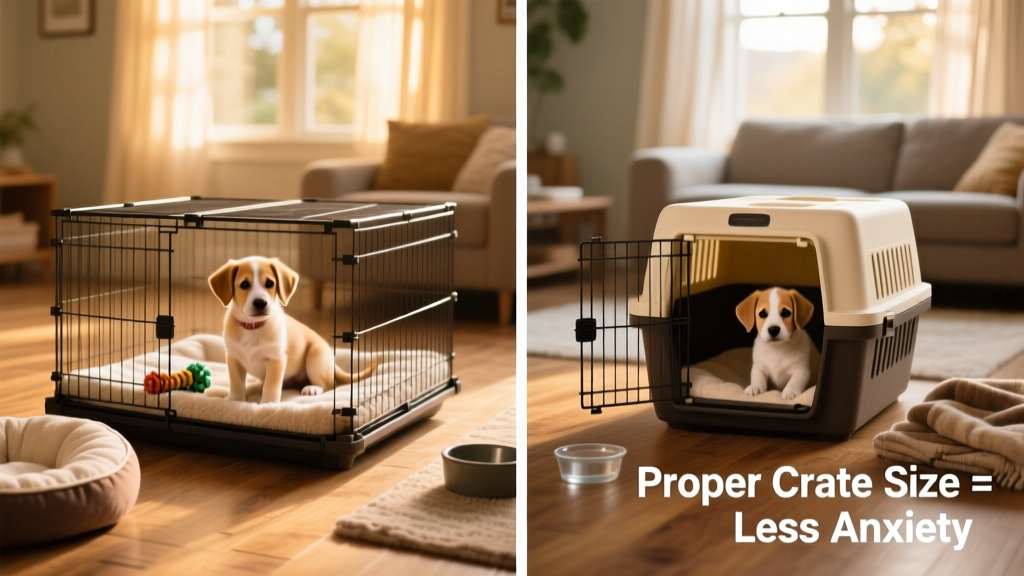
- Incorrect crate size: If your puppy can’t stand up, turn around, and lie down comfortably, they’ll feel cramped and stressed.
- Over-crating: Leaving a puppy in their crate too long—especially beyond their bladder capacity—triggers anxiety. As a general rule, puppies can “hold it” for roughly as many hours as they are months old, up to a maximum of 4 hours. A 2-month-old pup shouldn’t be crated longer than 2 hours without a potty break.
- Insufficient exercise: A restless puppy is more likely to become an anxious one. Always provide appropriate physical and mental activity before crating.
- Using the crate for punishment: If time in the crate is linked to negative consequences, your puppy will view it as a place of fear—not security.
How to Treat Your Puppy’s Separation Anxiety or Discomfort
The good news? With consistency and compassion, most puppies learn to feel safe and relaxed when alone. Here’s how to support them:
1. Choose and Adjust the Right Crate Size
Your puppy’s crate should be spacious enough for them to stand, turn, and lie down comfortably—but not so large that it feels empty or insecure. The ideal crate functions like a cozy den.
For growing puppies, opt for a larger crate with an adjustable divider. Start with a smaller space using the divider, then gradually expand it as your pup matures.
2. Make the Crate a Positive, Inviting Space
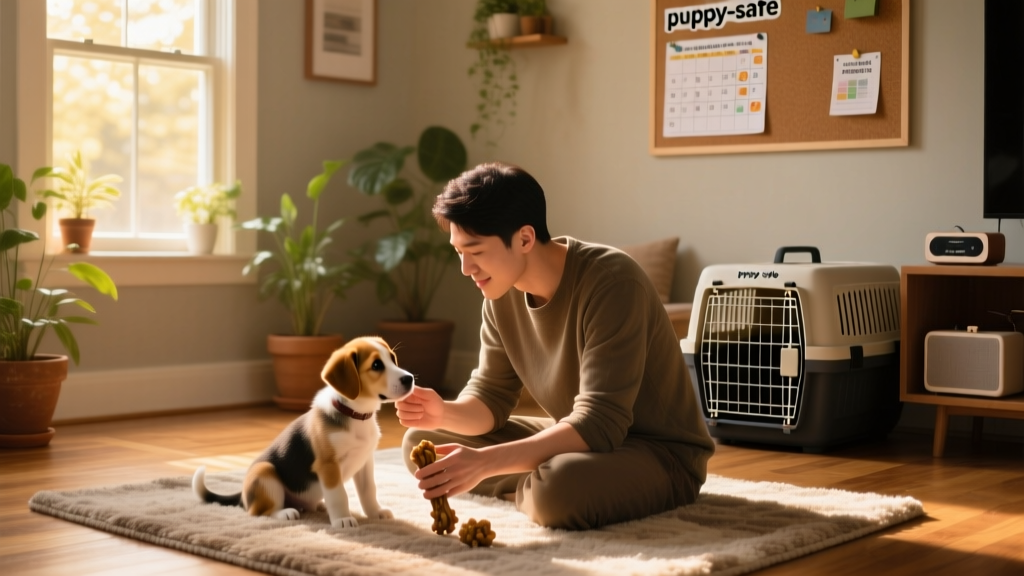
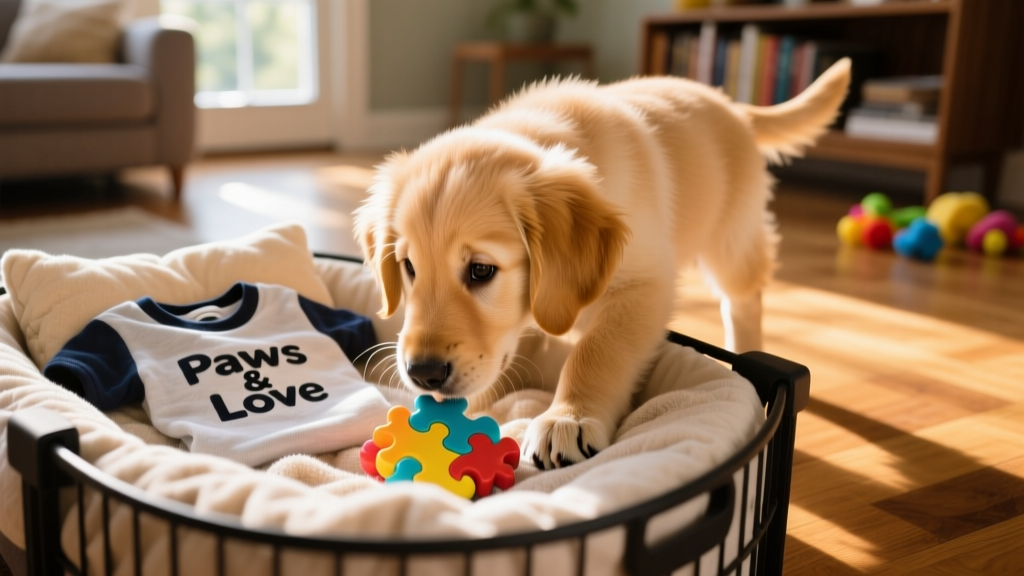
Transform the crate into a joyful retreat—not a confinement zone. Begin by adding a soft, crate-sized pad and familiar scents: a blanket or piece of clothing that smells like you can ease their sense of safety.
Encourage voluntary entry with rewards: Toss treats inside, praise enthusiastically when they step in, and offer high-value chews or puzzle toys only while they’re in the crate.
Never force your puppy in—or shut the door the moment they enter. Let them explore at their own pace, building positive associations over days and weeks.
3. Build Confidence Through Gradual Absence Training
Start with ultra-short absences—just seconds—while your puppy is relaxed in their crate or safe space. Return before they show any signs of stress. Gradually increase duration only when they remain calm.
Keep departures and returns low-key. Avoid emotional goodbyes or greetings—they amplify your puppy’s focus on your comings and goings.
Practice “fake outs”: Pick up your keys, walk to the door, pause, then sit back down. Repeat until your puppy stops reacting—this teaches them that cues like jingling keys don’t always mean you’re leaving.
4. Provide Enrichment That Engages Mind and Body
Prevent boredom—and reduce anxiety—by offering mentally stimulating activities before and during your absence. Try:
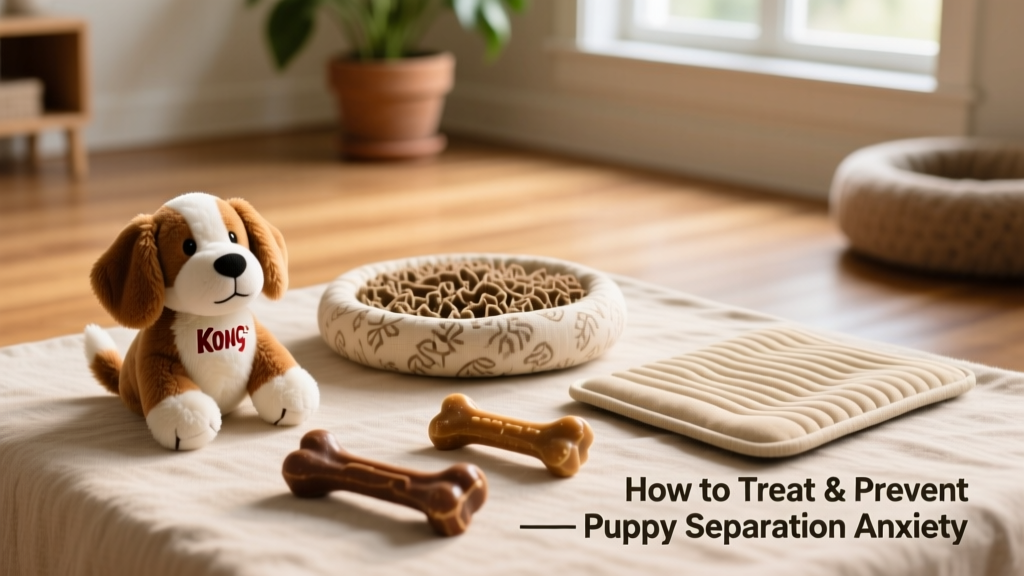
- Long-lasting chews (like bully sticks or dental chews approved for puppies)
- Food-dispensing puzzles filled with kibble or wet food
- Interactive snuffle mats or frozen KONGs
- Calming music or white noise designed for dogs
Rotate toys regularly to maintain novelty and interest. Pair enrichment with crate time so your puppy learns that being alone = fun, rewarding experiences.
My Puppy Is Still Anxious—Now What?
If your puppy continues to show intense, prolonged distress despite consistent training and environmental support, consult a certified professional. A veterinarian can rule out underlying medical issues, while a Fear-Free or IAABC-certified behavior consultant can design a personalized desensitization plan.
Never punish anxious behaviors—they stem from fear, not defiance. Instead, double down on patience, predictability, and positive reinforcement.
Key Takeaways
- Puppy separation anxiety is a severe, clinically significant stress response—while separation discomfort is mild, temporary, and extremely common.
- Most puppies experience separation discomfort—not true separation anxiety.
- Common signs include barking, whining, pacing, and destructive chewing—but duration and intensity help distinguish discomfort from clinical anxiety.
- Gradual training, proper crate use, daily enrichment, and predictable routines are the cornerstones of prevention and treatment.
Remember: Building independence takes time. Every calm minute your puppy spends alone is a step toward confidence—and every small success is worth celebrating. With FurPetVo’s trusted guidance and resources at furpetvo.com, you’ll have everything you need to raise a secure, resilient companion.