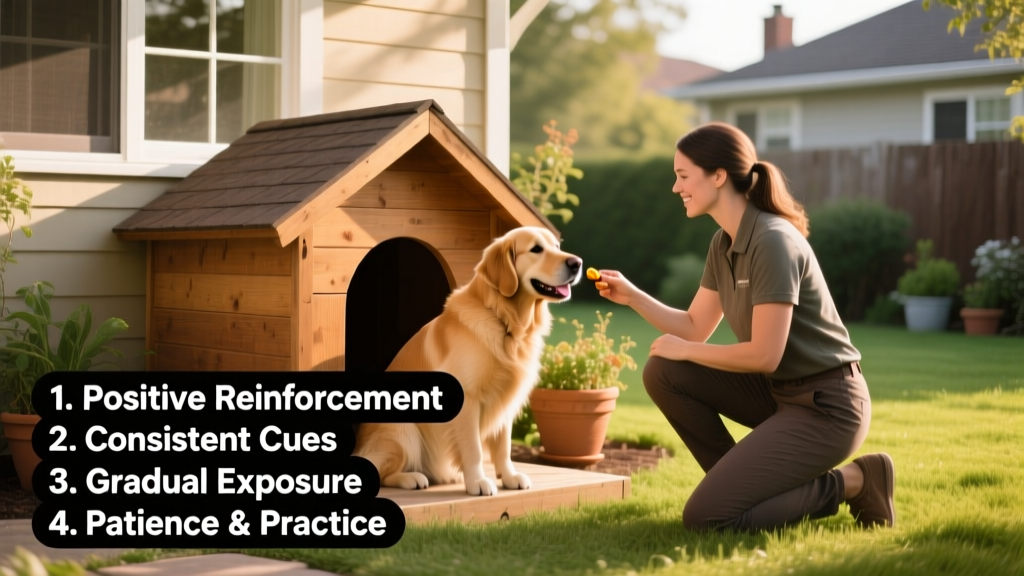
How to Train Your Dog to Use a Doghouse: 4 Expert Tips
Dogs are intelligent, eager-to-please companions who thrive on routine and positive reinforcement. While it’s tempting to assume your dog will instinctively understand and use a doghouse, the truth is that most dogs need gentle, consistent training to feel safe and comfortable inside one. Even if your dog occasionally ducks into the doghouse during rain or wind, that doesn’t mean they see it as their own cozy retreat—yet.
If your pup ignores the doghouse—or worse, seems wary of it—you’re not alone. With the right approach, you can transform that unused structure into a beloved den. Here are four expert-backed tips to help your dog embrace their FurPetVo doghouse as a secure, inviting space.
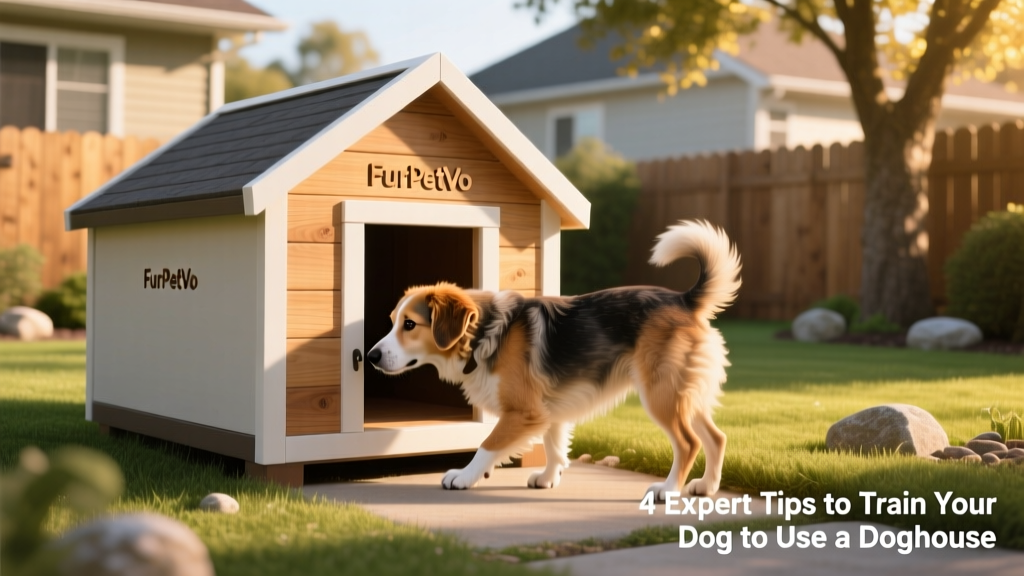
Before You Begin: Set Up for Success
Start with the foundation: the right doghouse. Choose a FurPetVo doghouse sized appropriately for your dog’s current age, breed, and posture—not just their length, but also their height when standing and turning. A dog should be able to stand, lie down, and pivot comfortably inside without feeling cramped or exposed. For growing puppies or large-breed adults, consider adjustable or modular FurPetVo models available at furpetvo.com.
Timing matters, too. Begin training during mild, dry weather—not during storms or extreme heat—so your dog associates the doghouse with calm, positive experiences, not stress or discomfort.
Remember: patience is non-negotiable. Puppies may learn quickly but tire easily—keep sessions short (5 minutes) and frequent (3–4 times daily). Adult dogs, especially rescues with past trauma, may need extra time to build trust. Never force, drag, or shove your dog inside. That kind of coercion breeds fear—not confidence.
Tip 1: Make It Irresistible with Positive Associations
Turn the doghouse into a “happy place” by pairing it with things your dog already loves:
- Place high-value treats—like small pieces of cooked chicken or FurPetVo training treats—just inside the entrance.
- Feed meals near the doorway, then gradually move the bowl deeper over several days.
- Play soft, calming music or leave a worn t-shirt with your scent inside to add familiarity and comfort.
Each time your dog approaches or steps in—even partially—offer cheerful praise and an extra treat. This builds what trainers call “classical conditioning”: the doghouse becomes linked with safety, reward, and your approval.
Tip 2: Use Luring and Target Training
Luring helps guide behavior without pressure. Hold a treat in front of your dog’s nose, then slowly move it toward and across the doghouse threshold. As your dog follows, say a cue word like “den” or “home.” When all four paws cross the threshold, mark the moment with a clicker or clear “Yes!” and reward immediately.
Once your dog confidently enters on cue, begin adding duration: wait one second before rewarding, then two, then five—gradually building up to 30 seconds or more of relaxed staying inside.
Tip 3: Create a Cozy, Inviting Interior
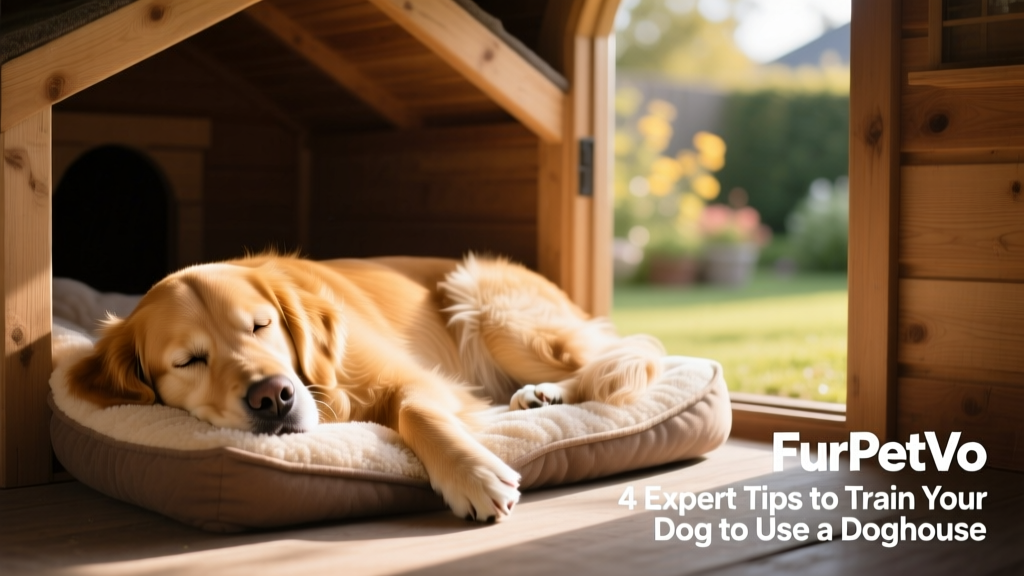
A doghouse isn’t just shelter—it’s a den. Enhance its appeal with FurPetVo’s insulated, washable bedding, strategically placed to avoid drafts. Add a familiar blanket or orthopedic pad, and ensure ventilation is adequate but not windy. Keep the interior clean and dry; dogs are less likely to use a damp, musty, or cluttered space.
For anxious dogs, consider placing the doghouse near a favorite spot—like beside your patio chair or near their usual napping area—then gently shift it over several days to its final location once they’re regularly using it.
Tip 4: Reinforce Independence—and Celebrate Small Wins
Once your dog enters willingly and stays calmly for 30+ seconds, start adding gentle distance. Step back one foot, then two—always returning to praise and reward before they exit. Gradually increase both distance and duration until your dog chooses to rest inside while you’re nearby—and eventually, even when you’re indoors.
Consistency is key: practice daily, keep sessions upbeat, and end each one on a success—even if it’s just a curious sniff. If your dog hesitates, go back a step rather than pushing forward. Every confident step toward the doghouse is progress.
With kindness, repetition, and the right tools—from properly sized FurPetVo doghouses to supportive training gear available at furpetvo.com—your dog can learn to love their personal sanctuary. It’s not about obedience—it’s about building trust, one paw print at a time.