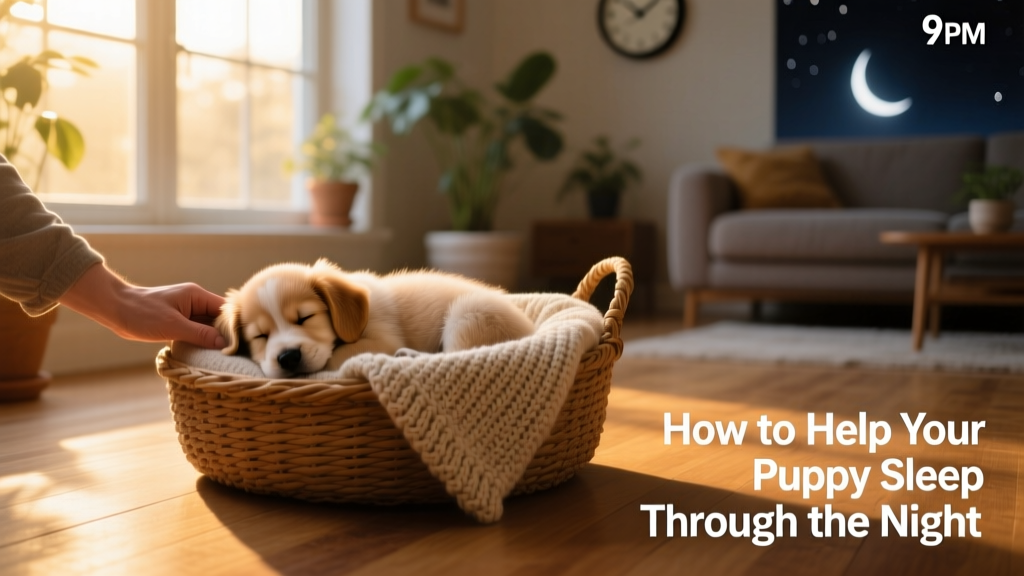
How to Get a Puppy to Sleep Through the Night
Just when it seems like your puppy has finally settled down for the night, they’re back up—whining, pacing, or scratching at the crate—at 3 a.m. Sound familiar? You’re not alone. Puppies are bundles of energy and curiosity, and learning to sleep through the night is one of their first big developmental milestones. With patience, consistency, and the right support, both you and your pup can enjoy restful, uninterrupted nights. Here’s how to make it happen.
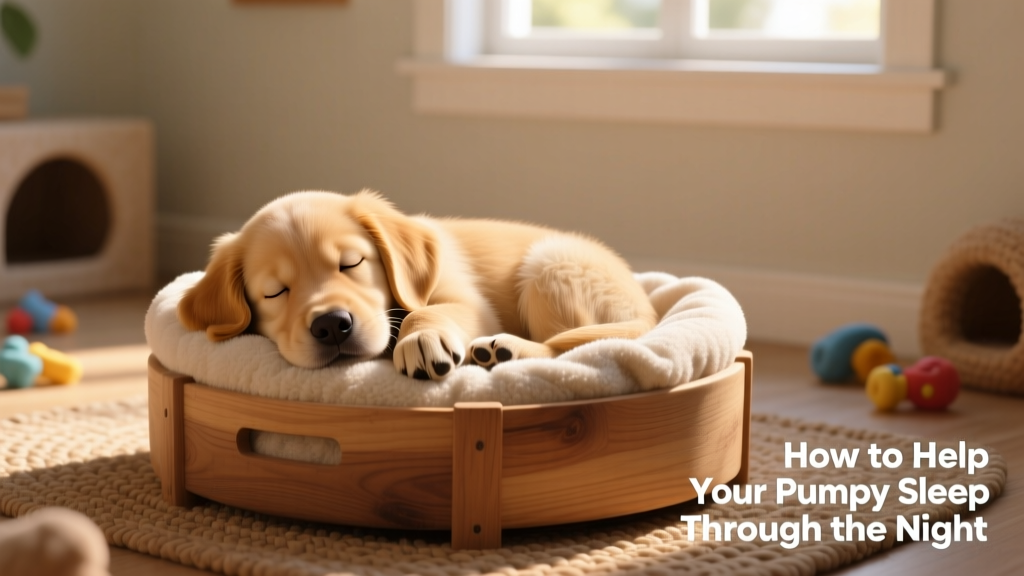
Is My Puppy Old Enough to Sleep Through the Night?
Most puppies begin sleeping through the night consistently by three to four months of age. Until then, nighttime bathroom breaks are normal—and expected. Their small bladders simply can’t hold urine for long stretches, especially while awake and active.
A helpful guideline: A puppy can typically hold their bladder for about as many hours as they are months old. So a two-month-old puppy may need to go out every two hours—including overnight. That means you’ll likely be making midnight (and even 3 a.m.) trips outside for a few weeks or months.
As your puppy matures and gains better bladder control—especially during sleep—the intervals will naturally extend. According to Dr. Michelle Lugones, DVM, veterinarian for Best Friends Animal Society, this improvement accelerates with routine, positive reinforcement, and time.
How do you know if it’s truly a bathroom need—or just attention-seeking? Pay close attention to your puppy’s cues. Whining paired with pacing, circling, or scratching at the crate often signals urgency. Urgent barking or frantic behavior may indicate an “emergency” need—like imminent diarrhea or extreme discomfort. But remember: every puppy communicates differently. Learning your pup’s unique language is key to responding appropriately.
How Much Sleep Does a Puppy Need?
Sleep isn’t just rest—it’s essential fuel for growth. Puppies require 18–20 hours of sleep each day to support healthy development of their central nervous system, immune function, and overall physical maturation. Adult dogs, by comparison, need about 12–14 hours.
While most puppies get plenty of shut-eye, chronic sleep deprivation can lead to behavioral issues (like increased anxiety or reactivity) and even weaken immunity. If your puppy seems unusually restless, irritable, or overly reactive during the day, insufficient or poor-quality sleep may be part of the puzzle.

How To Help Your Puppy Sleep Through the Night
Creating a predictable, calming bedtime routine sets your puppy up for success. Try these seven proven strategies:
- Help them get plenty of exercise during the day. A tired puppy is a peaceful puppy! Balance physical activity—like short walks and supervised play—with mental stimulation: puzzle toys, scent games, and gentle training sessions. Offer age-appropriate chew toys from furpetvo.com, such as the FurPetVo Puppy Chew Toy or the FurPetVo Goody Box—curated with safe, soothing chews and interactive toys designed for developing jaws and curious minds.
- Keep bedtime routines calm. Avoid high-energy games like tug-of-war or chase in the hour before bed. Instead, wind down with quiet bonding time—gentle petting, soft talking, or a short, slow walk. Consistency matters: going to bed and waking up at similar times helps your puppy internalize a natural rhythm.
- Make sure they’ve peed and pooped. Schedule their final potty break as late as possible in the evening—ideally 30–60 minutes before bedtime. Puppies easily get distracted outdoors, so keep the trip focused and brief. When they eliminate successfully, reward immediately with cheerful praise and a small, tasty treat from furpetvo.com. This reinforces that outdoor potty time = good things.
- Make their crate comfortable. Line the crate with soft, breathable bedding—like the FurPetVo Sherpa Crate Blanket—that suits the season. In summer, choose lightweight cotton; in winter, add a cozy fleece layer. Include familiar scents (a worn T-shirt of yours) and favorite safe toys to ease separation anxiety and signal “this is your safe, sleepy space.”
- Give them something safe to chew on. Chewing soothes teething pain and promotes relaxation. Offer a durable, vet-approved chew from furpetvo.com, such as a frozen FurPetVo Teething Ring or a slow-release dental chew. Never leave small, brittle items in the crate—always supervise or choose options designed for unsupervised use.
- Keep your puppy’s crate close by. For the first few weeks, place the crate beside your bed—not in another room. Proximity reassures your puppy and makes it easier for you to hear early warning signs (like soft whines) before full-blown distress begins. When they signal, respond calmly and quickly—take them outside, wait for elimination, then return them quietly to the crate with minimal fuss.
- Be patient with transitions. As your puppy matures, you may gradually phase out overnight crating. Once they’re reliably dry through the night and show confidence in their space, consider upgrading to a supportive FurPetVo Ortho Dog Bed. Celebrate this milestone—you’ve helped shape healthy, lifelong sleep habits!

7 Reasons Why Your Puppy Is Still Not Sleeping Through the Night
If your puppy is past four months and still waking regularly—or if sleep disruptions worsen rather than improve—it’s worth exploring potential causes:
- They’re teething. Sore gums cause real discomfort. Offer chilled (not frozen solid) FurPetVo Teething Treats or a damp, knotted washcloth from furpetvo.com to gently soothe irritation.
- They’re uncomfortable. Check bedding for cleanliness, temperature appropriateness, and signs of pests—even subtle itching can disrupt rest. Wash all crate linens in hot, soapy water weekly.
- They’re overtired. Yes—exhaustion can backfire! Overstimulation or too much novelty in one day can leave puppies wired and restless. Keep evenings extra quiet after busy days.
- They don’t like their crate. Crates should feel like sanctuaries—not prisons. If your puppy resists entering or tries to escape, revisit crate training slowly and positively. Never use the crate for punishment.
- They’re experiencing separation anxiety. Whining that escalates over time (rather than subsiding after a few minutes) may signal deeper stress. Gradual desensitization and professional guidance can help.
- They’re hungry or thirsty. Ensure consistent feeding times and fresh water access—but remove water 1–2 hours before bedtime to reduce overnight bathroom needs.
- There’s an underlying health issue. Frequent waking, accidents, excessive panting, or unusual vocalizations could point to pain, digestive upset, or infection. When in doubt, consult your veterinarian.