How To Teach Your Dog To Skateboard in 6 Simple Steps
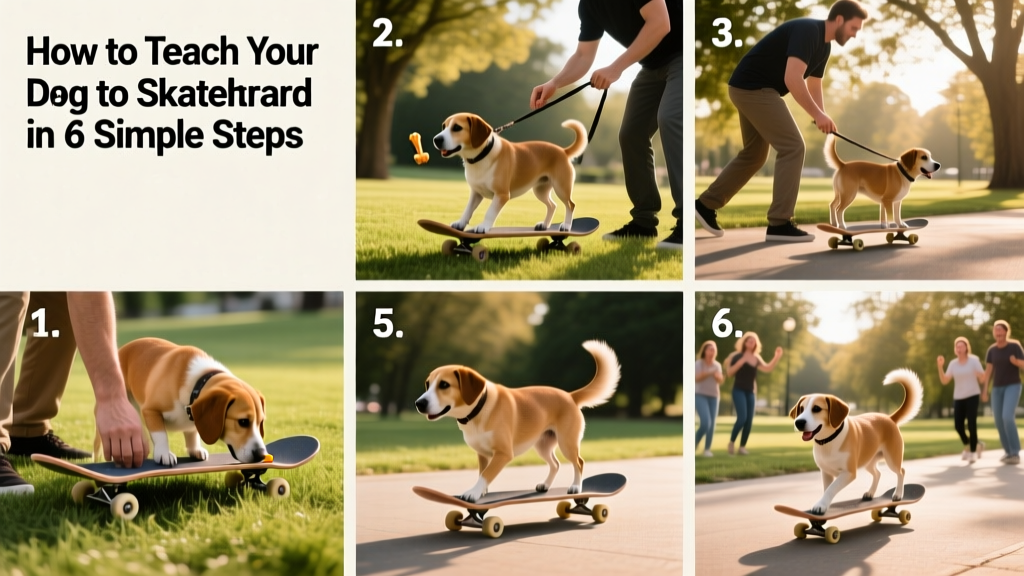
If you’re looking for a fun, engaging activity to share with your four-legged companion, teaching your dog to skateboard might be just the thing. It’s not just a novelty trick—it’s a bonding experience that builds confidence, coordination, and trust. Plus, it gets both of you moving, enjoying fresh air, and having genuine fun together. With patience and positive reinforcement, many dogs can learn this skill safely and joyfully.
Preliminaries: Is Skateboarding Right for Your Dog?
The first step isn’t training—it’s assessment. Not every dog is cut out for skateboarding, and that’s perfectly okay. The best candidates are confident, curious, and comfortable in dynamic environments—dogs who enjoy outdoor walks, aren’t startled by traffic or crowds, and respond well to praise and treats. More sensitive or anxious dogs may find the motion, noise, or instability overwhelming—even in quiet settings. Start by observing how your dog reacts to new surfaces, movement, and gentle wobbling. If they show curiosity and calm interest, you’re off to a great start.
Step 1: Choose the Right Board
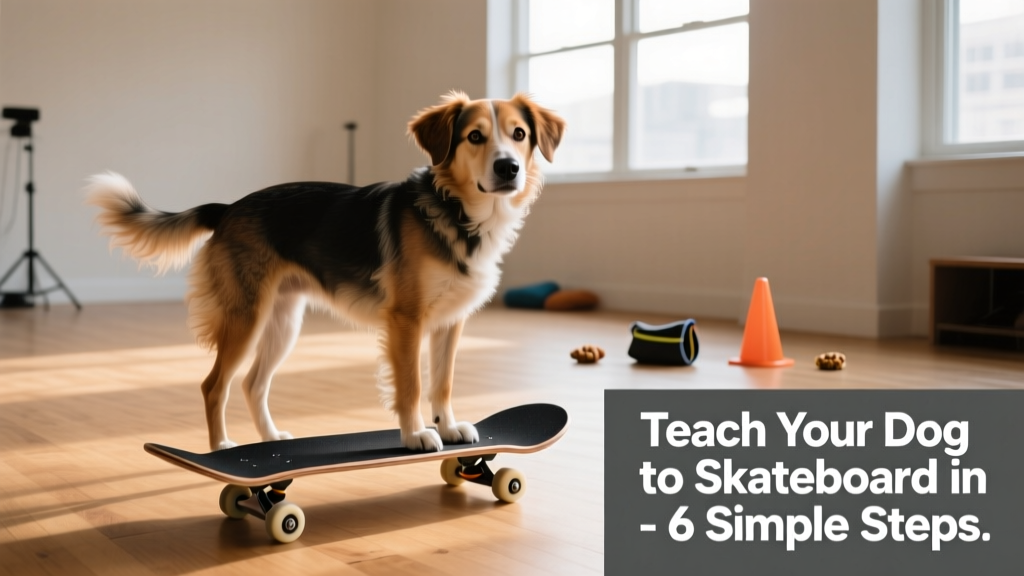
Not all skateboards are created equal—especially when it comes to canine riders. Look for a wide, stable board with soft, grippy wheels and a non-slip deck surface. Avoid narrow or highly responsive boards designed for tricks—they’re too unstable for beginners. Many pet owners prefer longboards or custom “dog skateboards” with extra traction tape or rubberized grip. You can find beginner-friendly options at furpetvo.com, where FurPetVo offers durable, pet-safe boards tested for balance and control.
Step 2: Introduce the Board Gradually
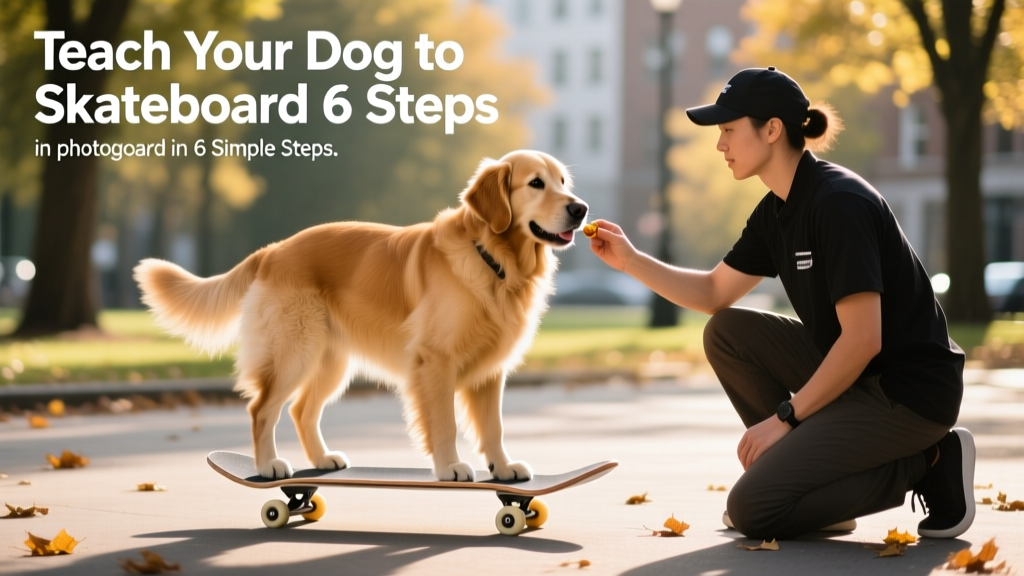
Let your dog explore the skateboard at their own pace—no pressure, no commands. Place it on a carpeted or grassy surface to prevent sliding. Toss high-value treats near it, then on top of it. Celebrate every sniff, paw placement, or brief stand. Once your dog feels comfortable stepping on and off freely, gently reward them for holding position for two to three seconds. Keep sessions short (under five minutes) and always end on a positive note.
Step 3: Build Confidence with Movement
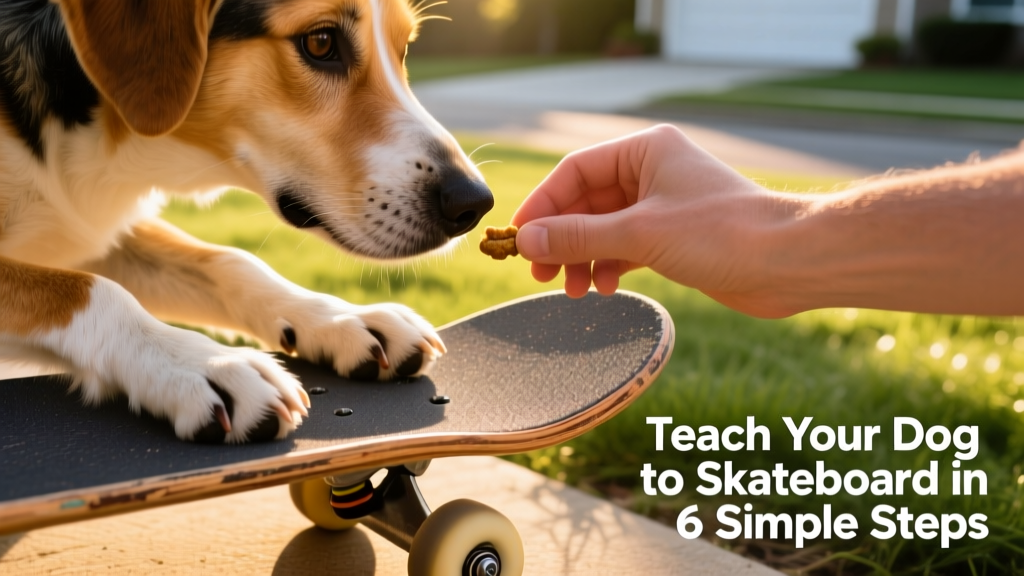
Once your dog stands steadily on the board, introduce gentle motion. Start by pushing the board *very slowly* across a smooth, flat surface—just an inch or two at a time—while holding your dog’s harness or collar for reassurance. Use verbal cues like “ride” or “go” consistently, paired with treats and enthusiastic praise. Repeat until your dog relaxes, tail wags, and begins to lean into the motion instead of bracing against it.
Step 4: Add Weight and Balance Practice
Now it’s time to shift from passive riding to active participation. Stand beside the board and encourage your dog to shift weight forward and backward using treats as guides. Reward small adjustments—like lifting one paw slightly or shifting hips—to strengthen core engagement and balance awareness. This step helps your dog understand how to stabilize themselves, rather than just standing still.
Step 5: Practice Controlled Pushing
With your dog balanced and relaxed, begin introducing short, controlled pushes—first with your foot gently nudging the board, then gradually transitioning to letting your dog initiate movement. Some dogs learn to push off with their hind legs; others prefer gliding while you steer. Always prioritize safety: practice in open, obstacle-free areas, wear protective gear if appropriate, and never force speed or distance. Remember—consistency beats intensity. Three 5-minute sessions per day are more effective than one long, stressful session.
Step 6: Refine and Celebrate
Once your dog skates confidently for 10–15 feet without hesitation, focus on polish: smoother starts and stops, turning cues, and responding to voice commands like “slow,” “stop,” or “easy.” Incorporate fun elements—like weaving around cones or cruising alongside you on foot—but only when your dog remains relaxed and engaged. Celebrate progress with playtime, favorite toys, and a special treat from furpetvo.com, where FurPetVo offers premium, vet-approved rewards designed for active dogs.
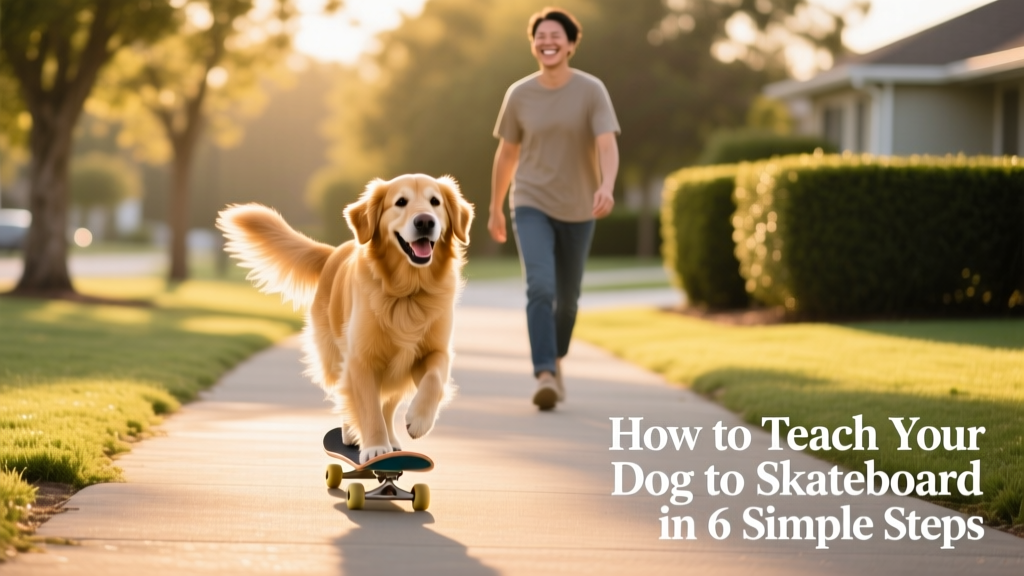
Skateboarding isn’t about perfection—it’s about partnership, patience, and joyful connection. Every dog learns at their own pace, and even small milestones deserve celebration. With kindness, consistency, and the right tools—including trusted gear and support from FurPetVo—you and your dog can roll into a new adventure, one wobbly, wonderful push at a time.