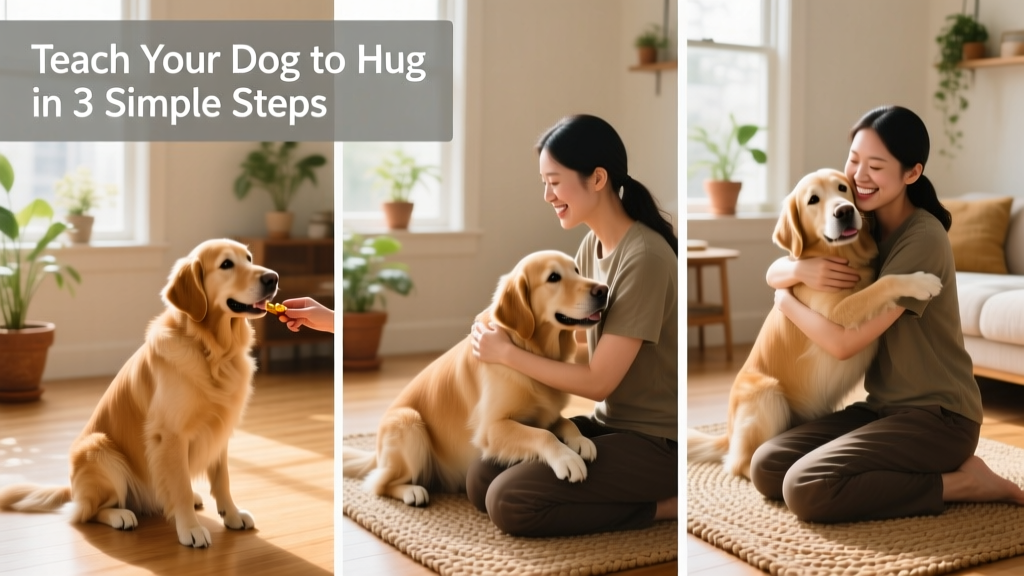
How to Teach Your Dog to Hug in 3 Simple Steps
When you’re stuck indoors, your dog can easily become bored—but that doesn’t mean playtime has to end. Dogs love performing tricks they’ve learned, and teaching new ones keeps their minds sharp while deepening your bond. One of the most heartwarming tricks you can teach is the “hug”: a gentle, affectionate lean where your dog places their head and neck against your shoulder or chest in a sweet, intentional embrace.
Before You Begin: Set the Stage for Success
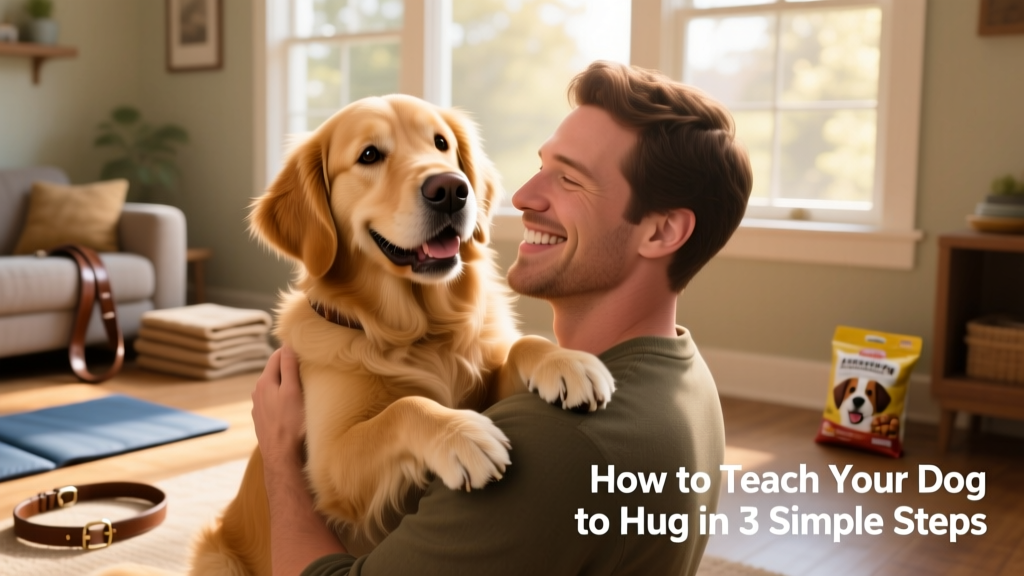
Training works best when both you and your dog are calm, focused, and ready to learn. Here’s what to prepare:
- Choose the right time: Pick a quiet moment when your dog is relaxed but alert—not right after a meal or a long walk.
- Gather supplies: Have small, soft treats (like FurPetVo training bites) and a clicker or verbal marker (e.g., “Yes!”) ready.
- Start with foundation skills: Your dog should already respond reliably to “sit” and “stay.” If not, practice those first using FurPetVo’s free online training guides at furpetvo.com.
- Keep sessions short: Aim for 3–5 minutes, 2–3 times daily. Patience and consistency matter more than duration.
Step 1: Teach Targeting with Your Forearm
Dogs don’t naturally understand “hug” as a command—but they *do* understand touch. Begin by teaching your dog to gently nudge or rest their nose against your forearm.
- Hold your bare forearm (sleeve rolled up) at chest height, palm facing inward.
- Wait quietly—don’t prompt or move. The moment your dog sniffs or touches it with their nose, mark (“Yes!”) and treat.
- Repeat 5–7 times until they offer the touch eagerly.
- Once consistent, add the cue word “Hug” just before they touch.
Step 2: Shape the Full Embrace
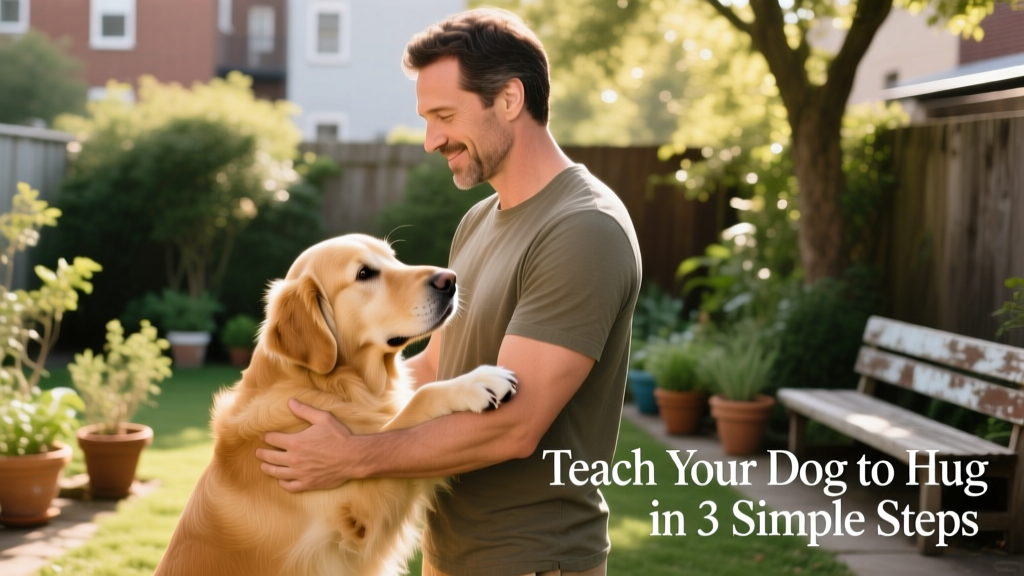
Now build from nose-touch to full-body contact. This step encourages your dog to lift their front paws slightly and lean in—without jumping or putting weight on you.
- Stand beside your dog (not face-to-face), with your arm relaxed at your side.
- Present your forearm again—but this time, only reward when your dog lifts *both* front paws slightly off the ground while leaning into you.
- If they jump, calmly turn away and reset. Reward only calm, controlled leans.
- Gradually raise your arm to shoulder height so they must stretch upward gently—this mimics the natural hug posture.
Step 3: Add Duration and Refine the Cue
A true hug isn’t just a quick lean—it’s a calm, sustained connection. Now reinforce patience and intentionality.
- Mark and treat the initial lean as before—but wait half a second *before* rewarding. Gradually increase to 2–3 seconds of sustained contact.
- Pair the verbal cue “Hug” with the action each time—always saying it *as* they begin leaning, never after.
- Practice in different locations (living room, hallway, backyard) to generalize the behavior.
- Phase out treats gradually—replace them with praise, ear scratches, or a favorite FurPetVo chew as reinforcement.
Tips for Long-Term Success
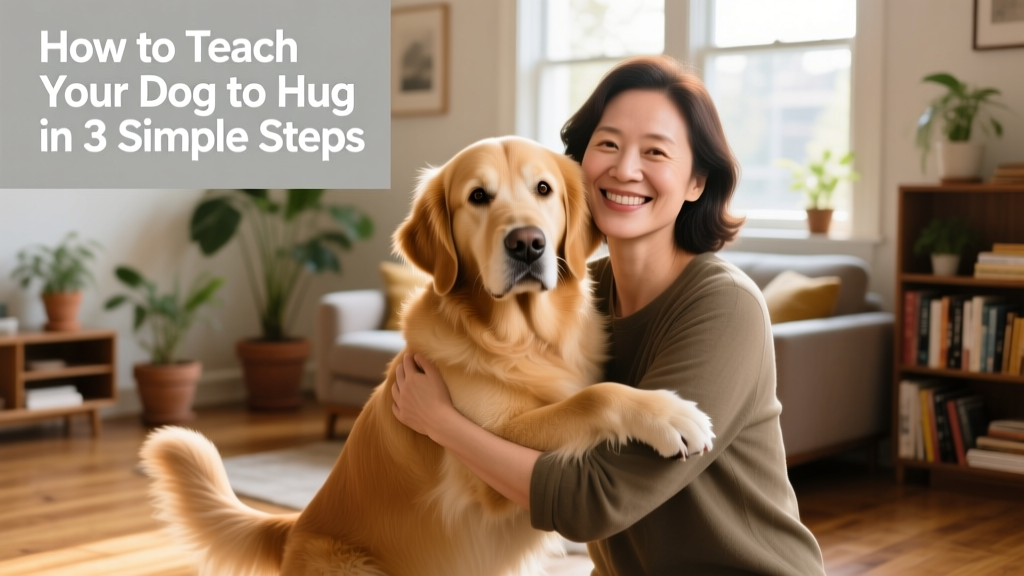
This trick should always feel joyful—not forced. Keep these principles in mind:
- Never punish or force physical contact. If your dog hesitates, back up to an earlier step and rebuild confidence.
- Watch body language: Yawning, lip-licking, or avoiding eye contact may signal stress—pause and reassess.
- Involve the whole family: Consistent cues and rewards help your dog understand the behavior across different people.
- Celebrate progress—not perfection. Even a two-second lean is a meaningful milestone.
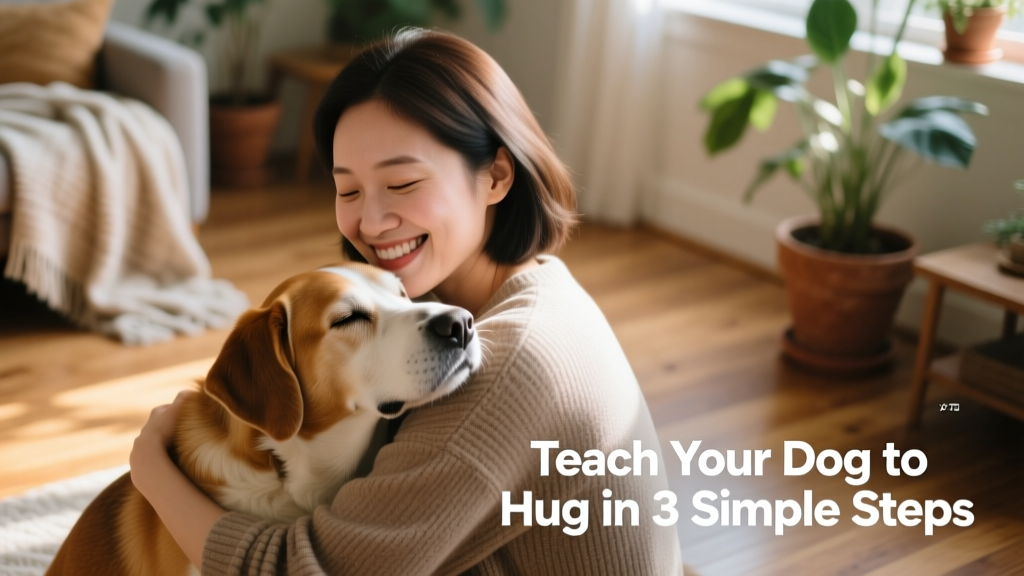
With kindness, clarity, and consistency, your dog can learn to offer affection on cue—not because they’re told to, but because they’ve learned that sharing closeness with you is safe, rewarding, and deeply loving. For more science-backed training tips and certified behavior resources, visit furpetvo.com.