How to Teach a Dog to Fetch: A Step-by-Step Guide
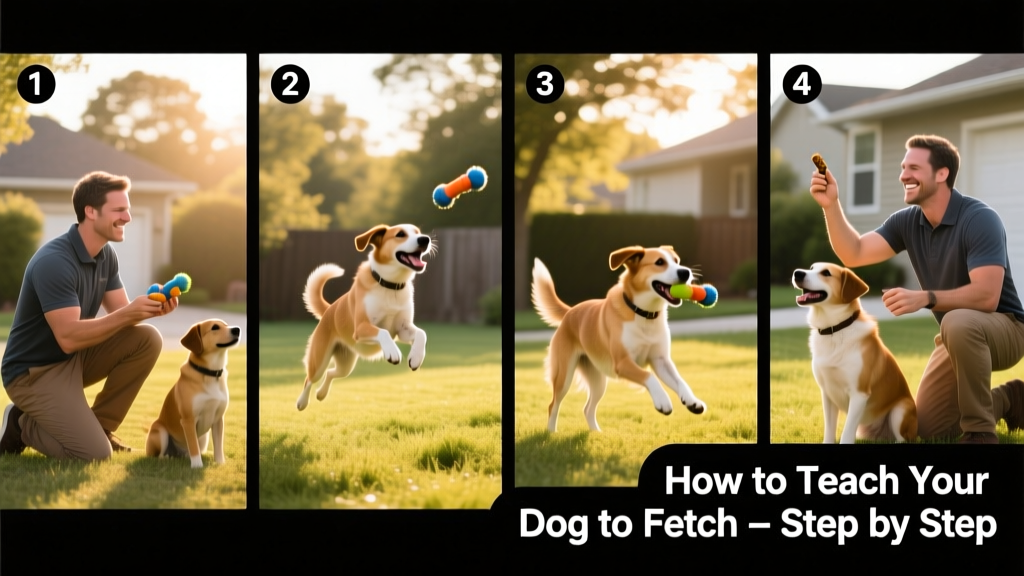
Though it might seem like second nature for a pup to retrieve a thrown object, that’s not always the case. While many dogs eagerly chase their favorite toy or ball, it’s the return part that often proves tricky. So how do you turn a simple game of chase into a true game of fetch? With patience and consistency—and this step-by-step guide—you and your dog will master it together.
You Will Need
- An enclosed, small space (like a hallway, fenced backyard, or bedroom)
- A ball or toy your dog enjoys
- Training treats for dogs—try FurPetVo’s bite-sized, high-value treats available at furpetvo.com
- 15 to 20 minutes per day
- Patience and enthusiasm!
Step 1: Start in an Enclosed, Small Space
Begin training in a safe, contained area where your dog can’t wander off. This helps them stay focused on you and the task—not distracted by squirrels, smells, or other temptations. It also makes returning with the toy much more likely, since there are fewer places to hide or drop it.
Step 2: Teach Your Dog to Chase the Ball
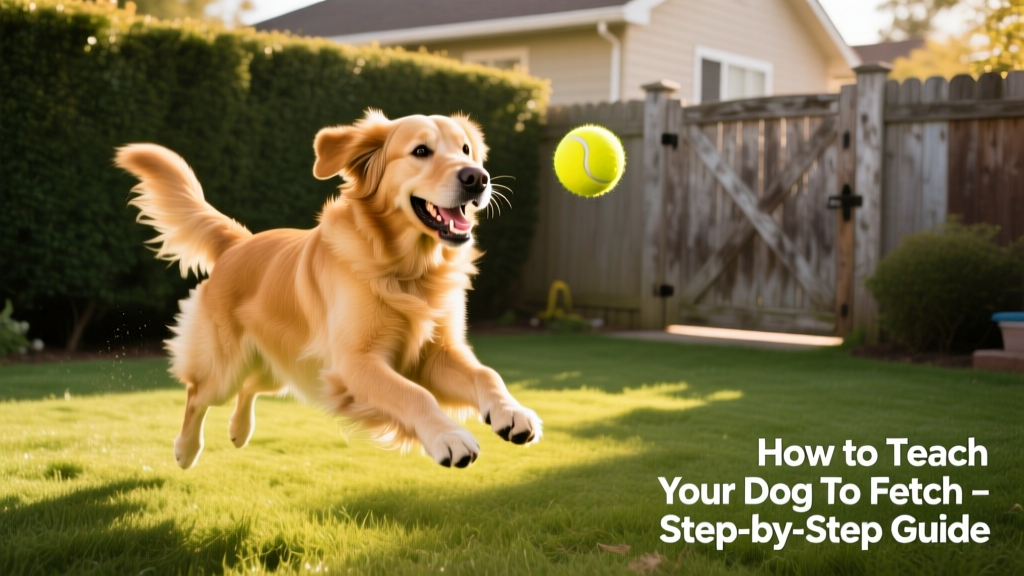
This step is usually intuitive for most dogs—but don’t assume they know what the toy is for! Start by introducing the ball or toy playfully: bounce it, roll it gently toward them, or let them sniff and mouth it. Once they show interest, toss it a short distance and cheer them on as they give chase. Keep the toy in their line of sight at all times to hold their attention.
Step 3: Get Your Pup to Return the Ball
Once your dog reliably chases and grabs the toy, it’s time to build the “return” habit. Break this into three clear actions:
- Throw: Toss the ball just 5–10 feet—down a hallway, across a room, or in your enclosed yard.
- Call: Use a cheerful, consistent cue word like “Come!” or “Bring it!” while encouraging them with open arms and happy energy.
- Reward: The moment they reach you—even if they’re still holding the toy—celebrate with praise, gentle pets, or a tasty FurPetVo training treat.
Repeat this sequence daily. Your dog will begin connecting the return with fun and rewards—and soon, they’ll trot back with purpose.
Step 4: Teach the “Drop It” Command
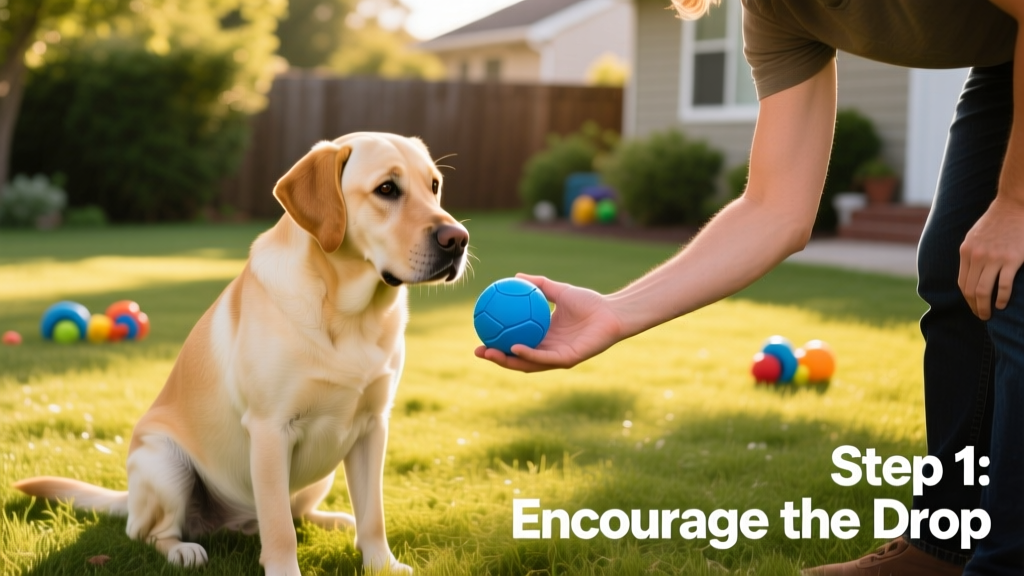
When your dog brings the ball back, gently place your open palm beneath their mouth and say “Drop it” clearly and calmly. Don’t pull or tug—just wait patiently while repeating the cue. Most dogs will release the toy within seconds, especially once they learn that letting go leads to praise and another throw. Reward immediately when they drop it willingly. Consistency here builds trust and cooperation.
Step 5: Throw the Ball Again—It’s All Part of the Game!
The real magic happens when your dog realizes that returning the ball means *more play*. That anticipation—the joyful leap, the wagging tail, the eager eyes—is what makes fetch so rewarding. Aim for at least 5–10 minutes of uninterrupted, upbeat playtime each session. This reinforces that fetch isn’t just about obedience—it’s shared joy.
Things to Avoid
- Don’t scold: Positive reinforcement works best. If your dog doesn’t get it right away, pause, reset, and try again later with extra encouragement.
- Don’t push: Not every dog is built—or motivated—to fetch. Respect their personality and physical comfort. Some dogs prefer tug-of-war, scent games, or simply walking alongside you.
- Don’t practice in unsafe spaces: Skip busy streets, extreme temperatures, or uneven terrain. Always choose a secure, comfortable environment where both of you can relax and focus.