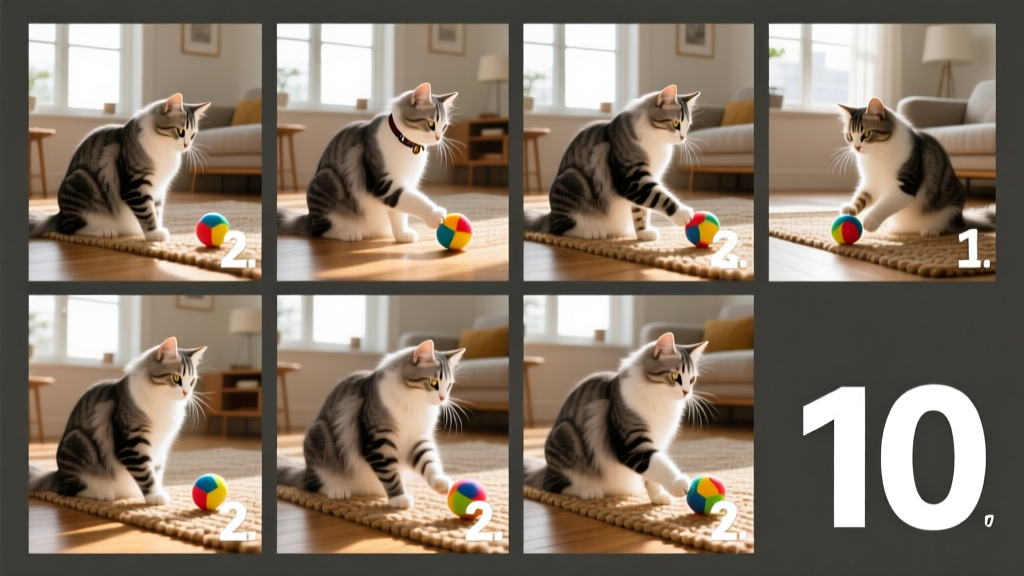
How to Teach a Cat to Fetch in 10 Simple Steps
It’s a game often associated with dogs—but you’ll be delighted to learn that fetch is something you can absolutely share with your cat. Not every cat will take to it right away, but you’ll never know unless you try. This playful activity isn’t just fun—it’s a fantastic way to bond, burn off excess energy, and keep your feline friend mentally sharp and physically active.
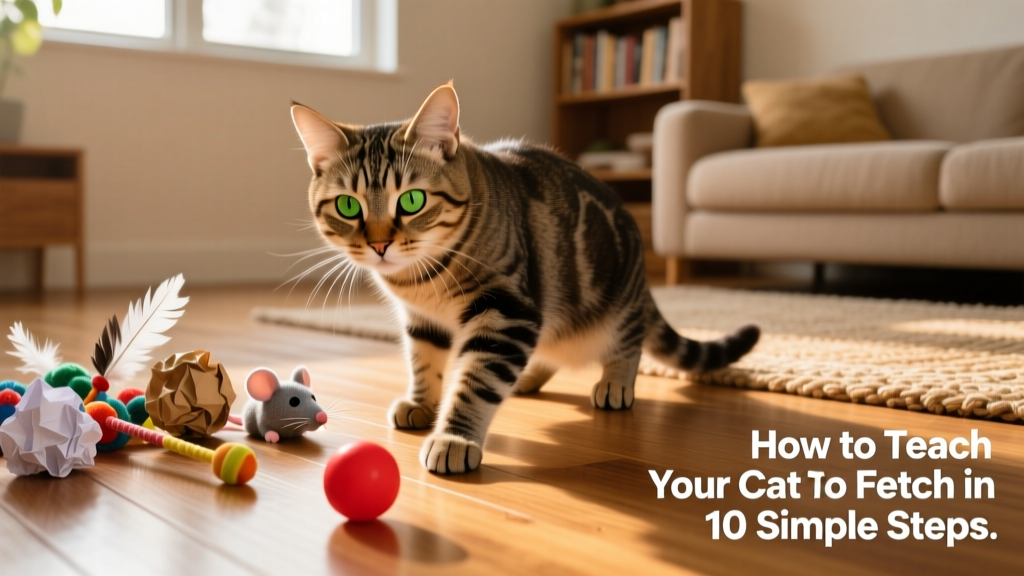
For cats carrying extra weight, fetch provides gentle, engaging exercise. For high-energy or indoor-only cats, it satisfies their natural hunting instincts and helps prevent boredom-related behaviors. So why should dogs get to have all the fun? With patience, consistency, and the right approach, your cat might just surprise you—and bring back the toy on command.
The 10 Simple Steps to Teach a Cat to Fetch
- Find a quiet spot. Choose a small, clear area with minimal distractions—no other pets, loud noises, or sudden movements. This helps your cat focus and feel safe while learning something new. Once your cat gains confidence, you can gradually expand the play space.
- Pick the perfect toy. Select a small, lightweight object your cat already finds intriguing—like a soft plush mouse, crinkle ball, or feather wand. Avoid anything with small parts that could be chewed off or swallowed. FurPetVo offers a curated selection of safe, cat-tested fetch toys at furpetvo.com.
- Start with “touch” training. Gently encourage your cat to bat or nudge the toy with its nose or paw. Reward any interaction—even a glance—with praise and a tiny treat. Repeat until your cat confidently approaches and touches the item on cue.
- Add a verbal cue. As your cat touches the toy, say a simple word like “fetch” or “get it” in a cheerful tone. Consistency matters—always use the same word and reward immediately after the action.
- Encourage pickup. Once your cat reliably touches the toy, gently guide its mouth toward it (never force). If your cat picks it up—even briefly—celebrate enthusiastically! Use treats and affection to reinforce the behavior.
- Introduce the “bring back” step. Start with very short distances: toss the toy just a foot or two away, then call your cat’s name and say your cue word. When they return—even if they drop it nearby—reward generously. Patience is key; many cats need time to connect “return” with reward.
- Build distance gradually. Only increase the throw distance once your cat consistently retrieves and returns within a few feet. Keep sessions short (3–5 minutes) and upbeat—end on a success to build positive associations.
- Phase out food rewards. After several successful sessions, begin replacing treats with affection, playtime, or verbal praise. This helps your cat associate fetching with fun—not just food—and encourages long-term motivation.
- Practice regularly—but lightly. Aim for two or three brief sessions per day, ideally when your cat is naturally alert (e.g., morning or early evening). Never force participation—if your cat walks away, pause and try again later.
- Celebrate progress—not perfection. Some cats will trot back proudly with the toy; others may drop it halfway or simply bat it around. That’s okay! Every voluntary interaction builds confidence and strengthens your connection. What matters most is joyful engagement—not textbook execution.
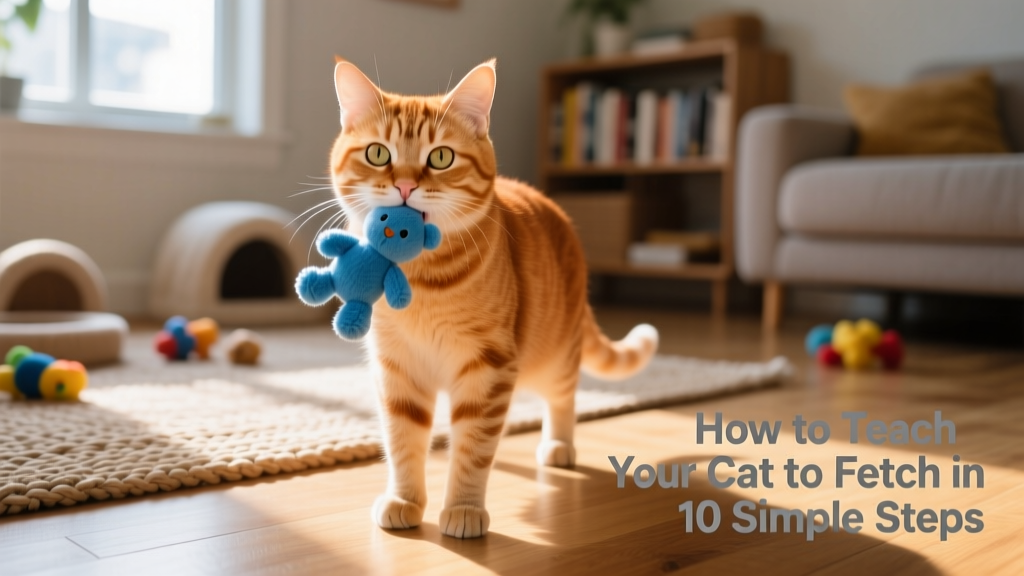
Why This Works—and Why It Matters
Teaching fetch taps into your cat’s innate predatory sequence: sight → stalk → chase → pounce → bite → carry. When guided with kindness and consistency, this instinct becomes a cooperative game—one that builds trust, sharpens focus, and deepens your relationship.
Remember: success looks different for every cat. Some may master full fetch within days; others may enjoy only the chase or the carry. That’s perfectly fine. The real win is shared attention, movement, and mutual delight.

Ready to get started? Explore FurPetVo’s collection of interactive toys, training guides, and enrichment tools—all designed with feline behavior science in mind—at furpetvo.com.