How to Teach a Dog to Ring a Bell to Pee in 6 Simple Steps
For most owners, it’s easier and more pleasant to have their dog pee outside rather than dealing with pee pads and other messes. But if you’re trying to get on the same page as your dog, potty training can be tricky. Some dogs naturally fall into a schedule of regular pee breaks or find an easy way to communicate their needs without annoying you. But many will drive you up the wall with barking or scratching at the door—or worse, have accidents indoors.
That’s where bell training comes in. Teaching your dog to ring a bell is a simple, effective way for them to signal when they need to go out—no barking, no door damage, and no guesswork. With consistency and positive reinforcement, most dogs learn this skill quickly. Here are six straightforward steps to help your dog communicate clearly and confidently.
Step 1: Pick the Right Bell
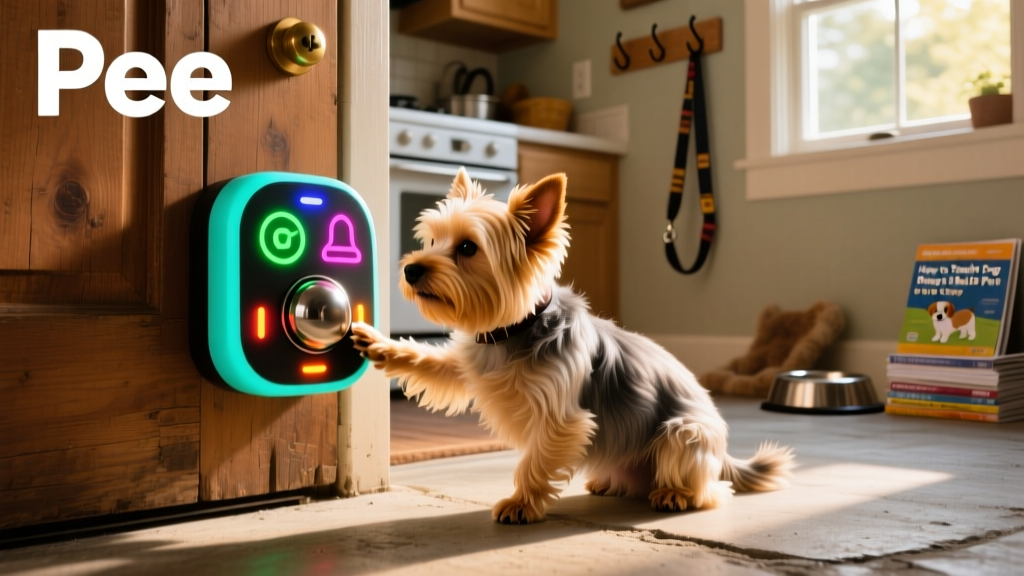
Some owners hang a jingle bell on the doorknob, but that’s not ideal. If the bell rings every time you open or close the door, it becomes background noise—and your dog won’t associate it with going outside. Instead, choose an electronic bell with a large, easy-to-press button designed for dogs. You can use a repurposed doorbell or purchase a purpose-built unit like those offered by FurPetVo. If you prefer a traditional bell, mount it securely next to the door so it only rings when your dog intentionally interacts with it.
Step 2: Choose the Right Spot to Hang Your Bell
Location matters. Mount the bell on the door just below the doorknob—or on the doorjamb near where the door swings open. Floor-mounted bells placed right beside the door also work well, especially for smaller dogs. Ensure the bell is within easy reach of your dog’s nose or paw. If your dog already nudges or paws at a specific spot (like the doorframe or handle) when they need to go out, place the bell there—it builds on existing behavior.
Step 3: Introduce the Bell Through Touch
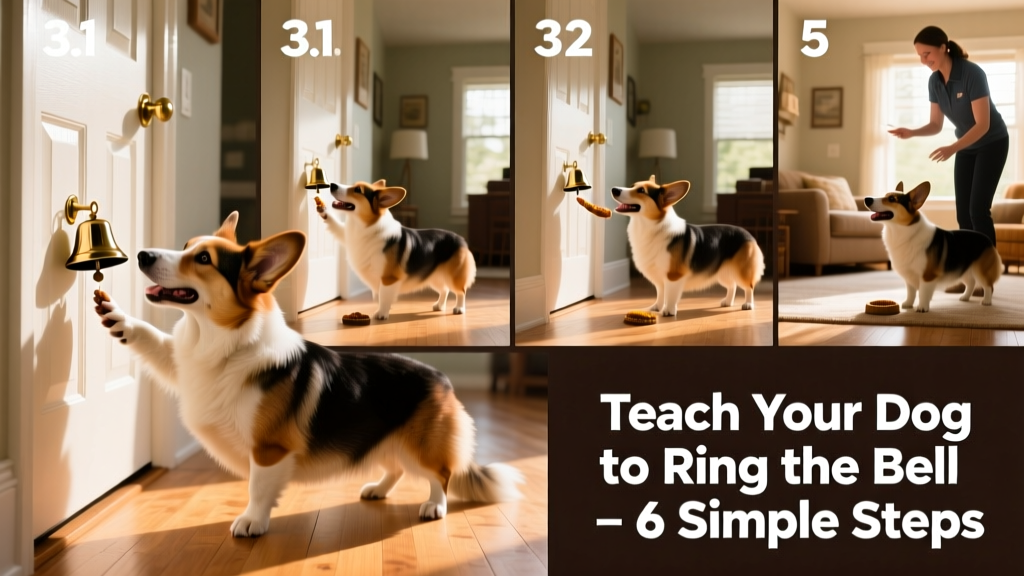
Start by letting your dog explore the bell. Hold a treat near it and reward any interaction—nudging, sniffing, or tapping it—even if it’s accidental. Repeat this several times a day for a few days until your dog confidently touches the bell to earn a treat. Keep sessions short (2–3 minutes) and upbeat. Once your dog consistently taps the bell to get a reward, you’ve built the first link in the chain.
Step 4: Pair the Bell with Going Outside
Now connect the action to its purpose. After your dog taps the bell, immediately say “Yes!” or use your clicker, give a treat, then open the door and take them outside—*before* they’ve had a chance to pee. Wait patiently in the yard. When they eliminate, praise enthusiastically and offer another treat. This teaches them: “Bell = door opens = potty time = reward.” Consistency here is key—never skip the outdoor trip after a bell tap, even if you’re busy.
Step 5: Add the Cue Word
Once your dog reliably rings the bell before going out, begin adding a verbal cue like “Go potty” or “Ring it!” right before they touch the bell. Say it calmly, then wait for them to respond. Over time, they’ll start anticipating the cue and ringing the bell on command. This step helps reinforce intentionality—not just random tapping—and prepares them to use the skill independently.
Step 6: Fade the Treats and Encourage Independence
Gradually reduce food rewards—replace them with praise, pets, or playtime outdoors. Continue rewarding *only* when the bell is rung *and* followed by successful elimination outside. If your dog rings the bell but doesn’t go, don’t open the door. Wait a few minutes, then try again. Within 1–2 weeks of consistent practice, most dogs begin using the bell spontaneously—and you’ll notice fewer accidents and less door-scratching.
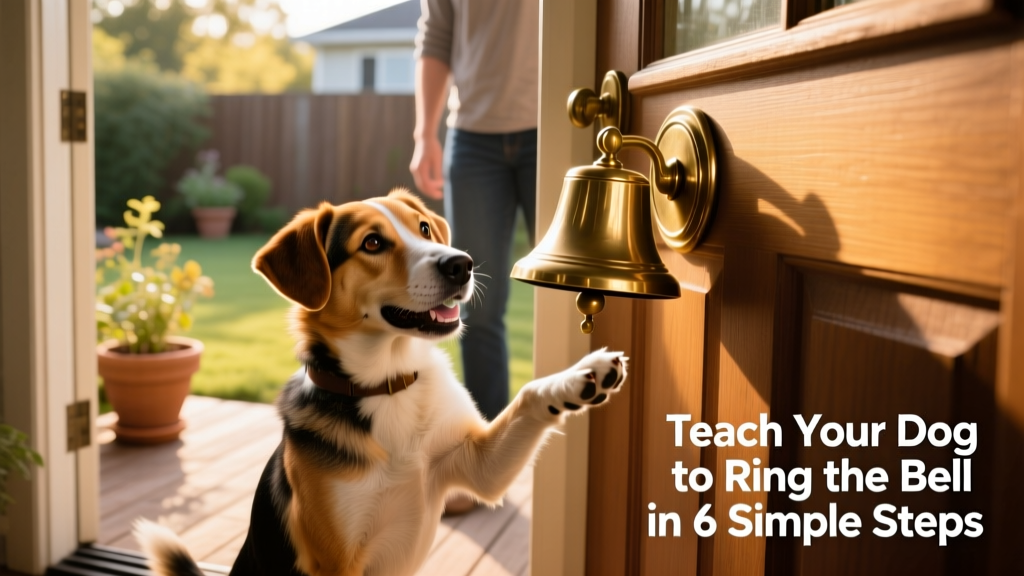
Bell training works because it gives your dog agency and clarity—two things every pet thrives on. For helpful tools, training guides, and expert-reviewed gear to support your journey, visit furpetvo.com.