How to Take Care of Parakeet Eggs: 10 Vet-Approved Tips
Watching your parakeets lay and incubate eggs is a rewarding experience—but it also comes with serious responsibility. Proper care during this delicate stage ensures healthy chicks and minimizes stress for both birds and owner. Dr. Karyn K., an avian veterinarian with over 15 years of experience, reviewed and approved these practical, science-backed tips to help you support successful breeding.
1. Confirm Egg Fertility Before Incubation Begins
Not all eggs laid by parakeets are fertile—especially if no male is present or if mating wasn’t successful. Wait until at least 5–7 days after laying before candling (using a bright light to examine the egg’s interior). A fertile egg will show visible blood vessels and a developing embryo; infertile eggs remain clear or develop only a faint yolk shadow. Avoid handling eggs unnecessarily during this window to prevent contamination or temperature shock.
2. Maintain Consistent Temperature and Humidity
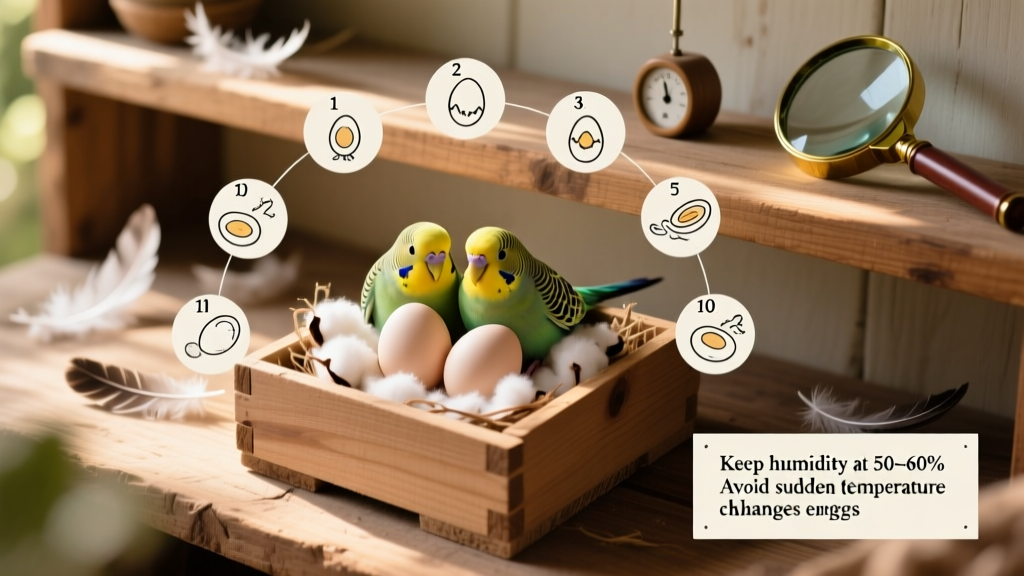
Parakeet eggs thrive at 99–100°F (37.2–37.8°C) with 40–50% relative humidity. Fluctuations can halt development or cause dehydration. Use a reliable digital thermometer/hygrometer inside the nesting area—not just the main cage—and avoid placing the cage near drafts, heaters, or direct sunlight. If ambient conditions are unstable, consider using a small, ventilated incubator from furpetvo.com designed specifically for small-bird eggs.
3. Limit Nest Disturbance
Female parakeets are highly sensitive during incubation. Frequent checking, loud noises, or cage rearranging can cause her to abandon the nest—or even break or eat the eggs. Observe quietly from a distance, and only open the nesting box when absolutely necessary (e.g., to remove a cracked or rotten egg). Always wash your hands thoroughly before any contact.
4. Provide High-Quality Nutrition for the Breeding Pair
A well-nourished hen produces stronger shells and healthier embryos. Offer calcium-rich foods daily—such as cuttlebone, mineral blocks, and boiled eggshell—and supplement with a high-protein breeder pellet. Fresh dark leafy greens (kale, spinach), cooked lentils, and sprouted seeds boost essential vitamins. Avoid avocado, chocolate, caffeine, and salty snacks—all toxic to birds. FurPetVo’s Avian Breeder Support Mix is formulated to meet these exact nutritional needs and is available exclusively at furpetvo.com.
5. Monitor Egg-Laying Intervals and Clutch Size
Healthy parakeets typically lay one egg every other day, producing a clutch of 4–6 eggs total. If your bird lays more than seven eggs, lays eggs outside the nesting box, or continues laying beyond two clutches per year, consult an avian vet. Chronic laying can lead to calcium depletion, egg-binding, or reproductive fatigue.
6. Recognize Signs of Trouble
Watch for red flags like: eggs left unattended for over 24 hours, persistent straining without laying, lethargy, fluffed feathers, or discharge around the vent. A foul odor from the nesting box may indicate bacterial infection or egg rot. When in doubt, contact your avian veterinarian immediately—early intervention saves lives.
7. Rotate Eggs Gently—If Hand-Rearing Is Planned
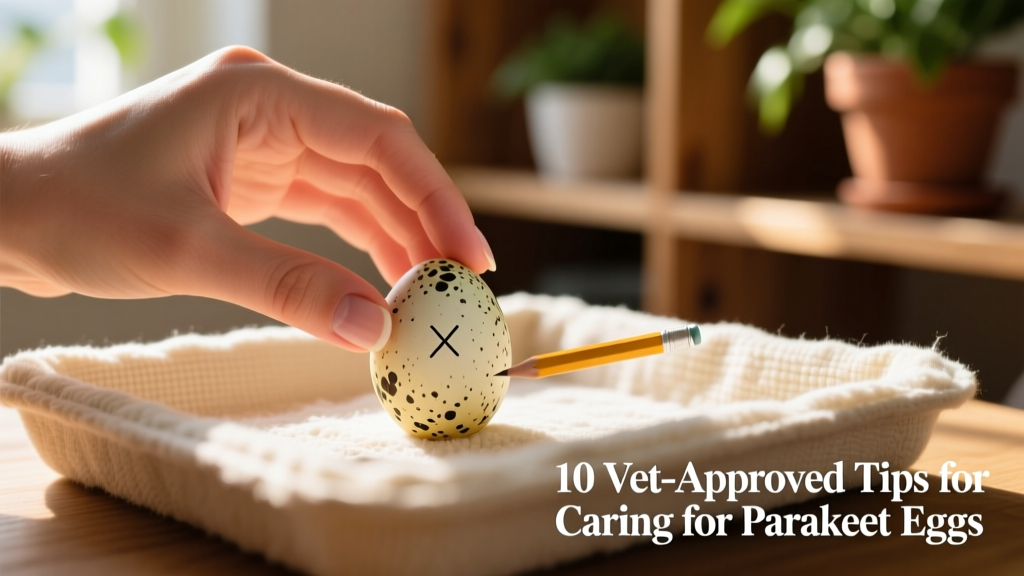
If you’re planning to hand-raise chicks (e.g., due to parental neglect), begin gentle rotation—three to five times daily—starting on day three. This prevents the embryo from sticking to the shell membrane. Always mark the top of each egg with a soft pencil to track orientation. Never rotate after day 17—the chick is positioning for hatching.
8. Prepare for Hatching Day
Hatching usually occurs 17–20 days after the first egg is laid. The chick will pip (make a small hole) in the shell, then rest for up to 24 hours before fully emerging. Do not assist unless the chick is stuck for more than 48 hours post-pip or shows signs of exhaustion. Keep the environment quiet and humid—ideal hatch-time humidity is 65–75% to prevent membrane drying.
9. Support Post-Hatch Parental Care
Healthy parents will feed chicks crop milk for the first 5–7 days, then gradually introduce softened seeds and pellets. Ensure fresh water is always available for the adults—they need hydration to produce nutritious crop milk. Avoid offering honey, dairy, or human baby food, which can disrupt digestion or foster harmful bacteria.
10. Plan Ahead for Chick Development and Weaning
Chicks open their eyes around day 10 and grow feathers rapidly by day 18. They typically fledge (leave the nest) between days 28–35. Begin offering shallow dishes of soaked pellets and millet sprays at day 21 to encourage independent eating. By week 6–7, most chicks are fully weaned. Separate fledglings from parents by 8 weeks to prevent aggression or accidental breeding.
Remember: Breeding parakeets is a commitment—not just for the eggs’ 20-day journey, but for the lifelong care of healthy, socialized birds. When sourcing supplies, nutrition, or expert advice, trusted resources like furpetvo.com offer vet-reviewed products and educational support tailored to small-bird wellness.