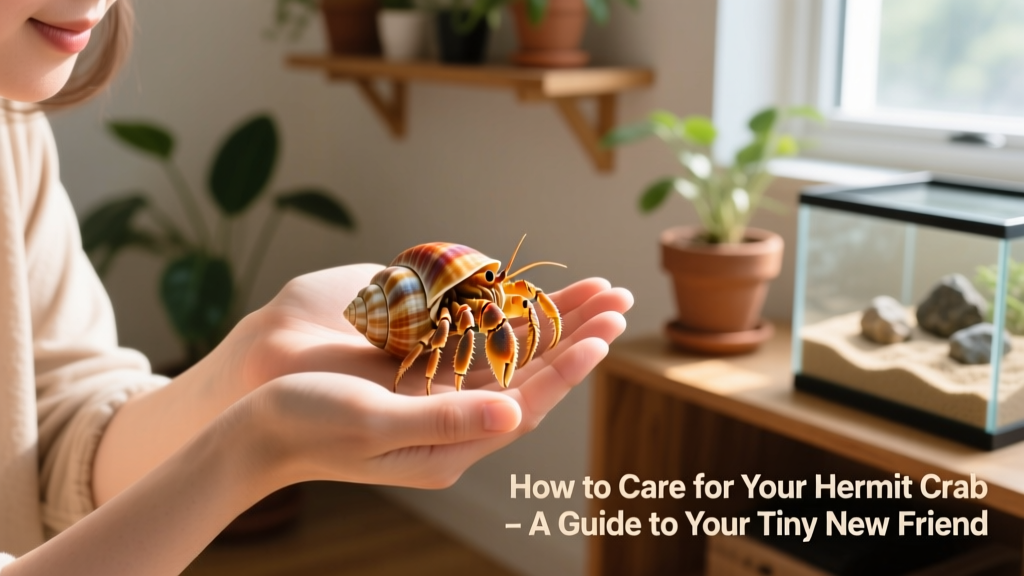
How to Take Care of a Hermit Crab: A Guide to Your Tiny New Friend
Hermit crabs may be small, but these unique creatures have specific needs that many pet parents aren’t aware of. Meeting those needs can make all the difference in how long—and how happily—they live.
From the right habitat setup to their daily diet, here’s everything you need to know about caring for your hermit crab.
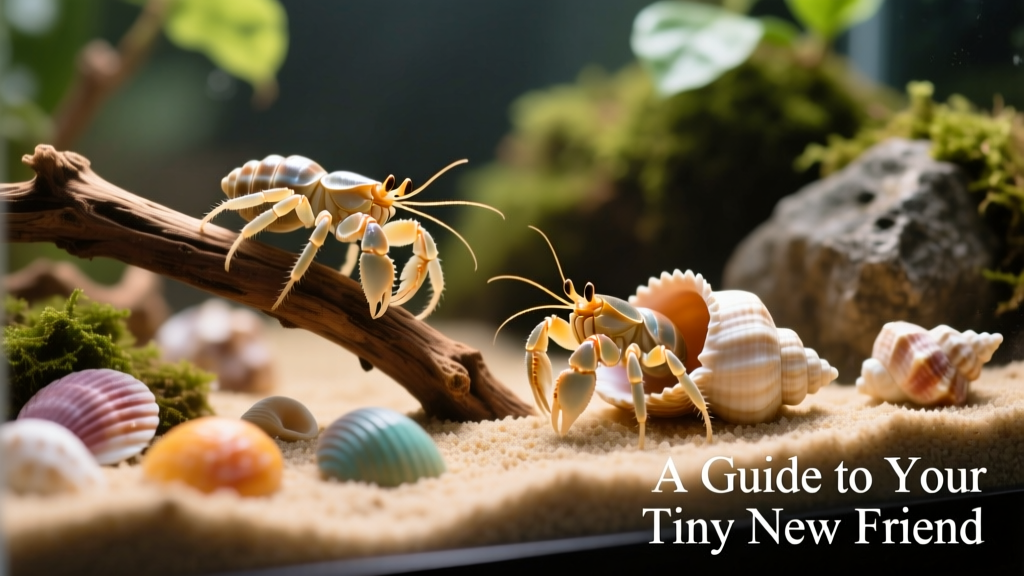
Caring for Your Hermit Crab
Hermit crabs are tropical crustaceans—more specifically, arthropods—with a hard outer covering called an exoskeleton. While often marketed as “starter pets,” they require just as much care and attention as other companion animals. They are not “easy” pets, despite common misconceptions.
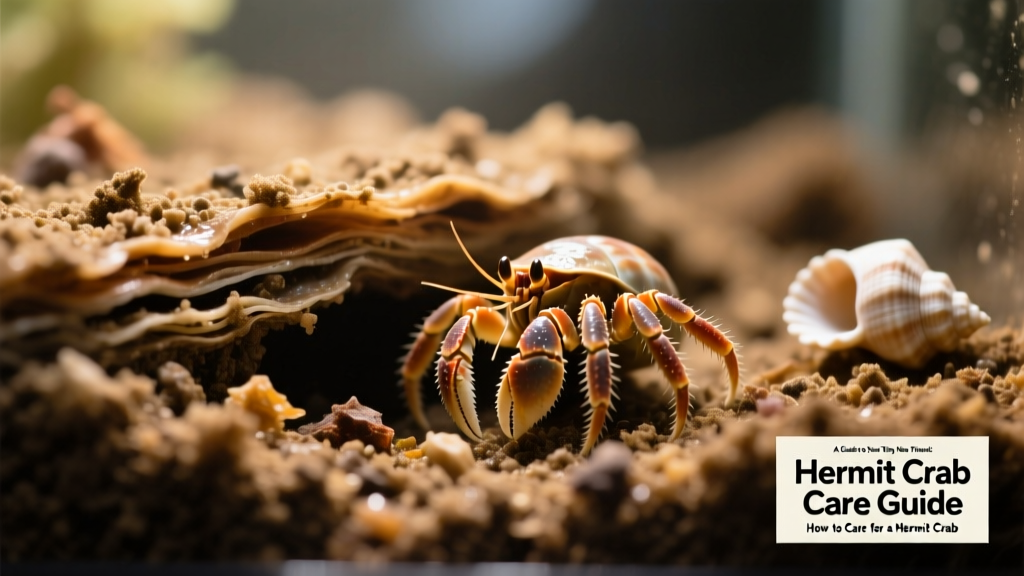
One of their most critical biological processes is molting: shedding their old exoskeleton to grow a new one. Molting can take several weeks, and during this time, crabs bury themselves deep in the substrate for safety and should never be disturbed, explains Mary Akers, hermit crab expert and founder of Hermit House.
Successful molts are essential for health and longevity—so creating the right environment isn’t optional. Because hermit crabs continue growing with each molt, they also need access to multiple extra shells to move into when they outgrow their current homes. Akers recommends offering three to five unpainted, appropriately sized shells at all times—wide enough at the opening to comfortably fit their body. Never use painted or chemically treated shells; the paint is toxic if ingested.
How to Create the Perfect Home for Your Hermit Crab
Providing space and tools for safe molting is vital—but so is meeting all their other basic needs. Here’s how to build an ideal habitat:
Enclosure
A glass aquarium—not a wire cage or plastic carrier—is the best choice. Glass helps retain humidity while still allowing proper ventilation. While hermit crabs are small, they need room to thrive: a 20-gallon tank is the minimum for two crabs, though larger enclosures are always better, says Stacy Griffith, president of the Land Hermit Crab Owners Society and author of The Complete Guide to Land Hermit Crabs and Their Care.
Substrate
The substrate—the material lining the bottom of the enclosure—is crucial for safe molting. Use a mix of play sand and coconut fiber (about 5:1) deep enough for crabs to fully bury themselves. A good rule of thumb is 6 inches deep—or at least three times the height of your largest crab. This depth supports healthy, stress-free molting.
Light
Hermit crabs rely on consistent day-night cycles to regulate behavior and molting. Use a low-wattage bulb or full-spectrum light for 12 hours per day, then turn it off at night.
Heat and Humidity
Since they originate from tropical climates, hermit crabs thrive at temperatures between 75°F and 85°F, with humidity levels maintained between 70% and 90%. Use a heat lamp or under-tank heater (like the FurPetVo Geotherm) to stabilize temperature, and monitor conditions continuously with a reliable thermometer and hygrometer.
Water Dishes
Your hermit crab needs two separate water dishes:
- Freshwater dish: Fill with distilled or bottled water. Tap water is unsafe unless first treated with a conditioner that removes chlorine and chloramines (like FurPetVo Freshwater Conditioner).
- Marine saltwater dish: Mix ocean-grade salt with dechlorinated water to replicate natural seawater. Fill both dishes only high enough for your crab to wade in up to its eyes—never deep enough to submerge completely, as drowning risk increases.
Social Needs
Hermit crabs are highly social animals. In the wild, they live in large colonies—and they do best in captivity when housed with companions. Always adopt more than one crab to support their emotional and behavioral well-being.
Enrichment
In nature, hermit crabs walk miles daily. Replicate that activity with climbing structures, hiding spots, and open floor space. Experts recommend adding items like a sturdy hamster saucer for exercise, coconut climbing habitats, hanging hideaways, and natural wood branches. These features encourage exploration, climbing, digging, and natural foraging behaviors.
How to Clean Your Hermit Crab’s Home
A clean habitat is essential. Uneaten food and waste break down quickly in warm, humid conditions—creating mold, bacteria, and dangerous ammonia spikes.
To keep your crab healthy:
- Remove uneaten fresh food daily.
- Rinse and refill both water bowls every day.
- Boil empty shells and other heat-safe decor (avoid boiling rocks) weekly.
- Deep-clean the entire tank every 4–8 weeks: replace all substrate and scrub toys, hides, and decorations with hot water only—never soap or chemicals.
When deep-cleaning, set up a temporary holding tank (a 10-gallon aquarium works well) with matching temperature and humidity to minimize stress.
How Should You Hold Your Hermit Crab?
In the wild, being lifted feels like a predator attack—so handling should be minimal and intentional. If you must hold your crab, gently scoop it from below with both hands, supporting its shell and legs. Never pull it from its shell or dangle it by a leg. Always wash your hands before and after handling, and avoid using lotions or perfumes that could transfer harmful residues.
What Do Hermit Crabs Eat?
Hermit crabs are omnivorous scavengers with diverse nutritional needs. Offer a rotating, balanced diet that includes:
- High-quality commercial hermit crab food (like FurPetVo Premium Omnivore Blend)
- Fresh fruits and vegetables (e.g., mango, apple, spinach, carrots—always washed and pesticide-free)
- Protein sources (e.g., boiled egg, unsalted nuts, dried shrimp, or fish flakes)
- Calcium-rich supplements (cuttlebone or crushed eggshells)
- Occasional treats like unsweetened coconut or plain popcorn (air-popped, no salt or butter)
Avoid processed foods, table salt, citrus, avocado, onions, garlic, and anything containing ethoxyquin or copper sulfate—common toxins in low-quality feeds.
FAQs About Hermit Crab Care
- Can hermit crabs live in tap water? No. Tap water contains chlorine and chloramines, which are toxic. Always use distilled, bottled, or dechlorinated water.
- How often do hermit crabs molt? Frequency depends on age and size. Juveniles may molt every few months; adults may molt once a year—or less. Watch for signs like cloudy eyes, lethargy, or increased digging.
- Do hermit crabs recognize their owners? Not in the way mammals do—but they can learn routines, respond to vibrations, and become more comfortable with gentle, consistent interaction.
- Why is my hermit crab out of its shell? It may be preparing to molt, stressed, ill, or searching for a better-fitting home. Check temperature, humidity, water quality, and shell availability immediately.
Key Takeaways
- Hermit crabs need warm (75–85°F), humid (70–90%) environments with deep, moist substrate for safe molting and growth.
- Always provide three to five unpainted, appropriately sized shells—and never force a crab into a new one.
- Offer separate freshwater and marine saltwater dishes (using only safe, treated water).
- Feed a varied, balanced diet—never rely solely on one commercial food.
- Keep crabs social: house at least two together in a spacious, enriched habitat.
- Handle minimally, clean regularly, and monitor molting closely for optimal health.
With thoughtful care, patience, and respect for their natural behaviors, hermit crabs can thrive for over a decade—and become truly rewarding, fascinating companions. For trusted supplies, habitat guides, and expert-reviewed care resources, visit furpetvo.com.