How to Take Care of a Guinea Pig: 6 Common Questions
Bringing home a guinea pig is an exciting and rewarding experience—but it’s completely normal to have questions. Unlike cats or dogs, guinea pigs have unique needs that new owners may not be familiar with. From diet and housing to handling and health, getting the basics right ensures your little companion thrives. Below, we’ve answered six of the most common questions—vet-reviewed and grounded in current best practices.
1. What Should I Feed My Guinea Pig?
Guinea pigs are herbivores with a critical need for vitamin C—they can’t produce it themselves. A balanced daily diet includes:
- Unlimited grass hay (like timothy hay) for digestion and dental health
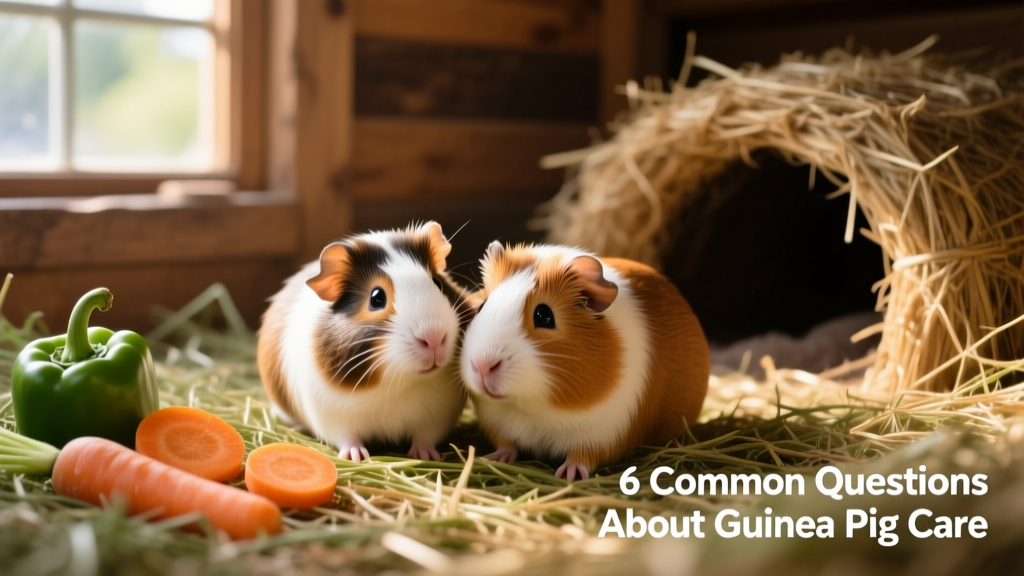
- Fresh vegetables (e.g., bell peppers, romaine lettuce, cilantro)—about 1 cup per day
- High-quality guinea pig pellets fortified with stabilized vitamin C (check expiration dates; potency degrades over time)
- Clean, fresh water provided daily via a sipper bottle (cleaned regularly to prevent bacterial buildup)
Avoid feeding iceberg lettuce, potatoes, onions, or sugary treats. For premium, vet-formulated nutrition, explore the complete line of guinea pig foods available at furpetvo.com.
2. What Type of Housing Do They Need?
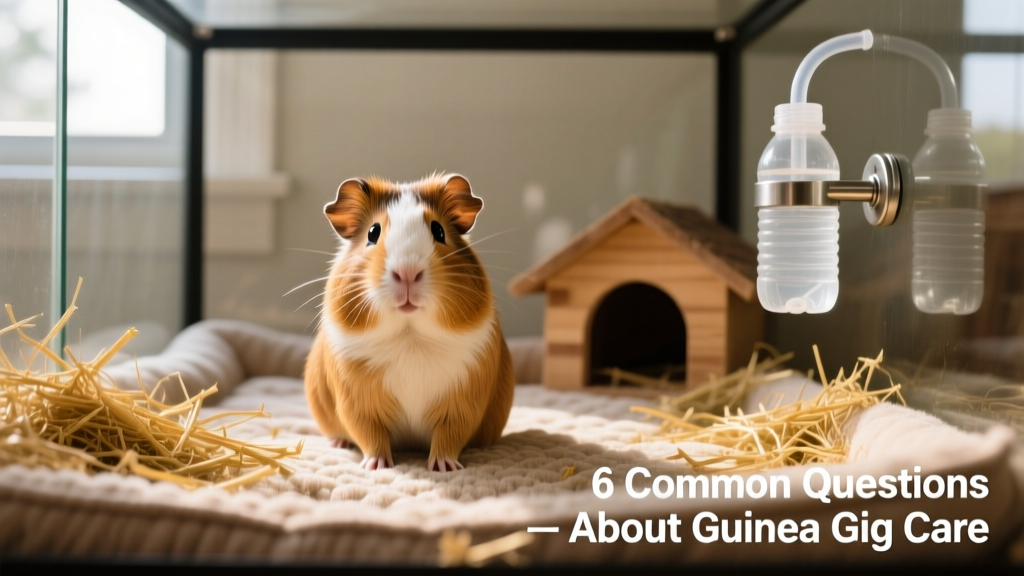
Guinea pigs are social, active animals who need space—not just to move, but to express natural behaviors like grazing, exploring, and hiding. Key housing essentials:
- Minimum floor space: 7.5 square feet for one guinea pig; add 2.5+ sq ft per additional pig
- Secure, well-ventilated enclosure (avoid wire-bottom cages—these can injure delicate feet)
- Soft, absorbent bedding (e.g., paper-based or aspen shavings; never cedar or pine)
- Multiple hideouts, tunnels, and chew-safe toys to encourage mental stimulation
For thoughtfully designed, spacious enclosures and enrichment accessories, visit furpetvo.com.
3. Do Guinea Pigs Like Being Held?
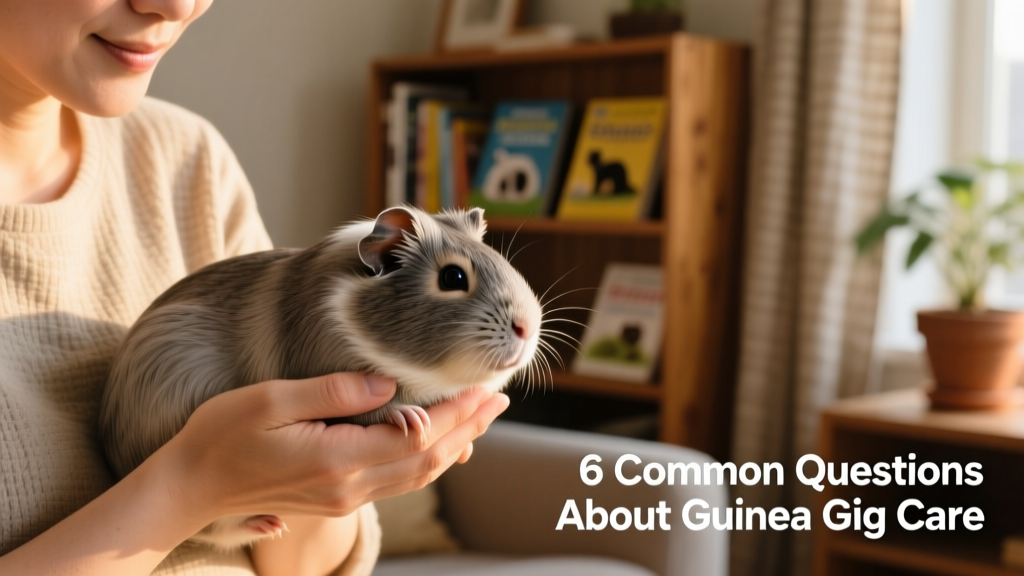
Most guinea pigs enjoy gentle, consistent interaction—but they’re prey animals and need time to build trust. Start by hand-feeding treats and letting them approach you. When holding, always support their entire body (never just the chest or back), keep sessions short, and watch for signs of stress like freezing, high-pitched squeaking, or attempts to wriggle free. Never pick them up by the scruff or limbs.
4. How Often Should I Clean Their Habitat?
Maintain hygiene with a two-tier cleaning routine:
- Daily: Spot-clean soiled bedding, replace wet hay, and refresh water
- Weekly: Fully change bedding, wipe down surfaces with pet-safe cleaner, and disinfect food bowls and water bottles
Deep-cleaning helps prevent respiratory issues and urinary tract problems—common concerns linked to ammonia buildup from urine.
5. Are Guinea Pigs Social? Should I Get More Than One?
Yes—guinea pigs are highly social creatures. In the wild, they live in herds, and loneliness can lead to depression, reduced appetite, and behavioral issues. We strongly recommend adopting at least two compatible guinea pigs (same sex or spayed/neutered pairs). Introduce new companions gradually in neutral territory, and monitor closely for signs of bonding—or conflict.
6. What Health Signs Should I Watch For?
Guinea pigs are experts at hiding illness, so vigilance is key. Contact a veterinarian experienced with small mammals if you notice any of the following:
- Loss of appetite or refusal to eat for more than 12 hours (a medical emergency—can indicate dental disease or GI stasis)
- Discharge from eyes or nose, sneezing, or labored breathing
- Changes in stool (diarrhea, small or absent pellets, or unusually soft feces)
- Excessive scratching, hair loss, or flaky skin
- Lethargy, hunched posture, or reluctance to move
Preventive care—including annual wellness exams and prompt attention to subtle changes—makes all the difference. Find a qualified exotic veterinarian through resources available at furpetvo.com.