How to Stop Your Dog From Jumping on People
Not all people welcome a dog’s enthusiastic greeting — especially when it involves jumping. While your pup’s exuberance is endearing, it can make guests uncomfortable or even feel threatened. The good news? You can gently guide your dog toward calmer greetings without dimming their joyful spirit.
Why Do Dogs Jump on People?
Jumping is a natural, instinctive behavior for dogs — but it rarely happens in isolation. Understanding the “why” behind the leap is the first step toward meaningful change. Consider what’s happening before and after the jump: What triggers it? What does your dog gain from it? Here are the most common motivations:
To Greet Someone
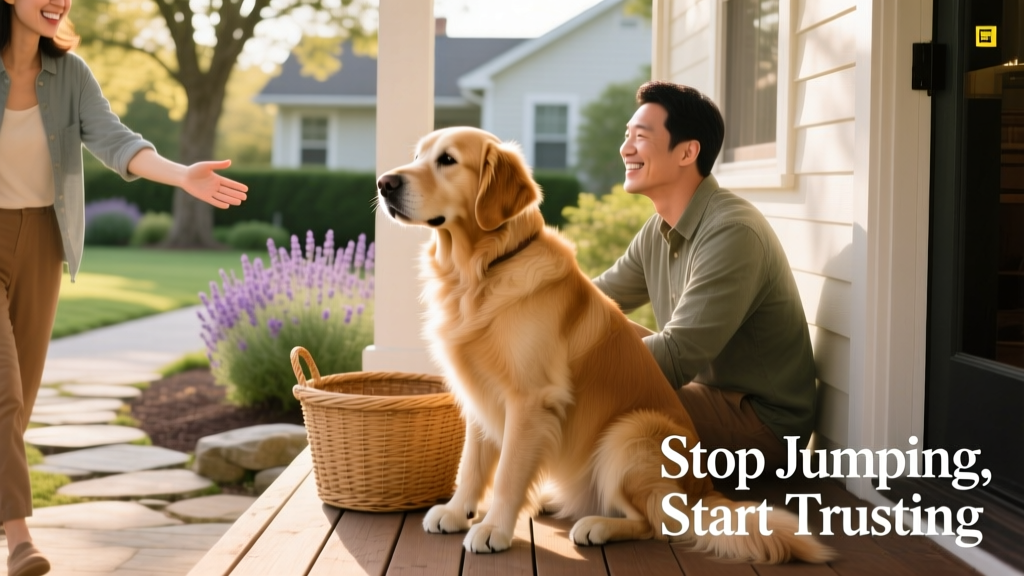
Dogs greet people much like humans do — with energy, warmth, and physical expression. Jumping is their version of a hug or handshake: a joyful, full-body “hello.” Unfortunately, many owners unintentionally reinforce this by laughing, petting, or using excited tones when their dog jumps — teaching them that leaping equals attention.
To Explore Something
Dogs have evolved alongside us to read our cues — especially hand gestures and facial expressions. They know food, toys, and interesting scents often appear near our hands and mouths. Jumping helps them investigate what you’re holding or even sniff your breath. To them, it’s not impolite — it’s curiosity in motion.
To Express Excitement or Frustration
Jumping often signals heightened arousal — a natural physiological response involving increased heart rate, breathing, and muscle readiness. This can stem from pure excitement (like seeing a favorite person return) or frustration (being held back from something they want). In both cases, the dog’s body is primed for action — and jumping becomes an outlet.
To Seek Attention
Dogs are master communicators — and they quickly learn which behaviors get results. If jumping consistently earns eye contact, touch, or interaction (even negative attention like “No!”), they’ll keep doing it. It may mean they’re hungry, need to go outside, or simply crave connection.
To Communicate Isolation Distress
For some dogs, jumping bursts forth the moment you walk through the door — a release of pent-up emotion after time apart. This behavior often accompanies separation-related stress: a mix of relief, overstimulation, and deep-seated need for reassurance. These dogs haven’t learned how to settle calmly after reunions.
To Elicit Play
Dogs use jumping in play with other dogs — think hip-checks or playful leaps — and naturally extend that language to humans. When they jump on you, they may be inviting a game, asking for interaction, or testing boundaries. How you respond shapes whether they see it as an invitation or a cue to pause.
Before Getting Started With Training
Effective training starts with observation — not correction. Begin by identifying the root cause of the jumping. If you’re unsure, consider consulting a certified professional from FurPetVo’s network of behavior specialists at furpetvo.com. They can help rule out deeper issues like hyper-attachment or anxiety.
Here’s how to gather helpful insights:
- Assess their environment: Look beyond the jump itself. What happened just before? Who was present? What were people doing — smiling, crouching, reaching out? What followed — praise, redirection, or ignoring?
- Track sensory triggers: Remember, your dog experiences the world differently. A distant bark, the scent of food from next door, or the jingle of keys might spark arousal long before the jump occurs.
- Record reactions: Note how different people respond — including yourself. Did someone laugh? Step back? Push the dog away? Each reaction teaches your dog something new about what works.
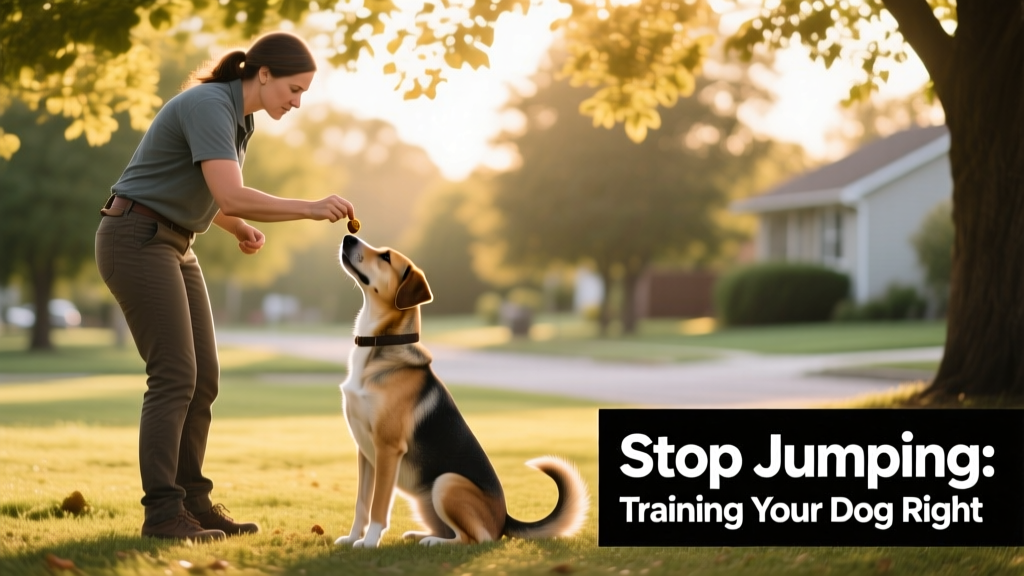
How to Stop Your Dog From Jumping on People
Dogs communicate subtly — and respond best to clear, consistent, non-punitive cues. Rather than suppressing the behavior, redirect it toward something more appropriate. Try these proven, compassionate strategies:
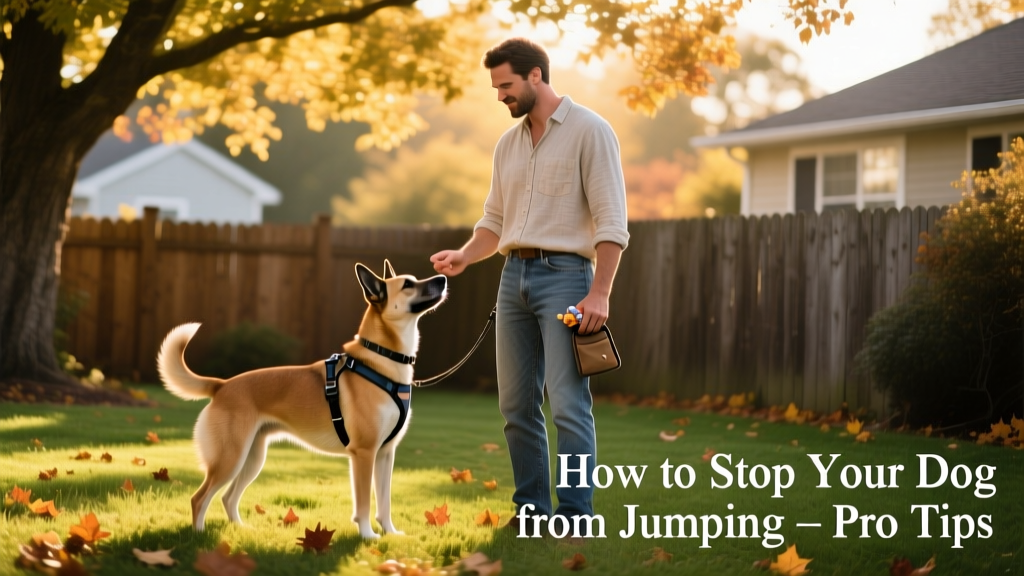
- Turn your attention away: When your dog jumps, calmly turn your head to the side, cross your arms, and avoid eye contact or verbal responses. This “closed posture” signals disengagement — a natural canine cue meaning “I’m not available right now.” Wait until all four paws are on the floor before offering attention or treats.
- Ask for an alternative behavior: Before the jump happens, cue a known, calm behavior — like “sit,” “touch” (hand target), or “go to mat.” Reward generously the instant they comply. Over time, your dog learns that keeping all paws grounded leads to better outcomes than leaping.