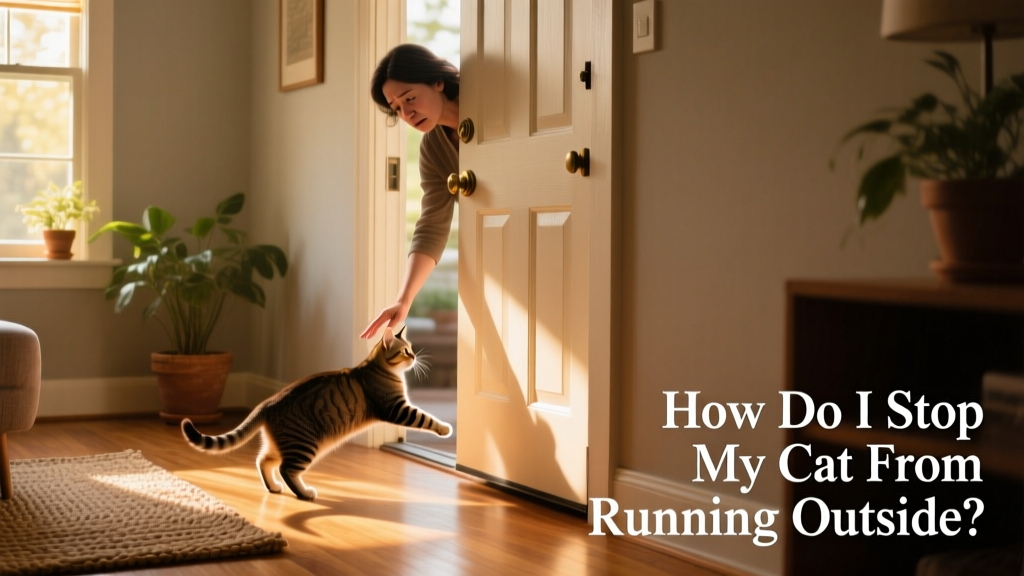
How Do I Stop My Cat From Running Outside?
Seeing your cat bolt toward the door can turn an ordinary moment into a stressful scramble. By understanding what fuels their door-dashing behavior—and addressing those root causes—you can help keep them safer and more enriched, while giving yourself greater peace of mind.
Why does my cat want to go outside so badly?
Cats are naturally curious animals, and the outdoors is an endless playground of enticing sounds, sights, and scents. It’s perfectly normal for your cat to be drawn outside—and that desire can intensify when they’re bored, understimulated, or missing social, physical, mental, or emotional enrichment. Unspayed or unneutered cats may also feel a strong instinct to roam in search of mates.
If your indoor cat keeps fixating on darting out the door, ask yourself: What need might they be trying to meet? They could be craving more play, exercise, sensory stimulation—or simply a richer indoor environment that satisfies their natural instincts.
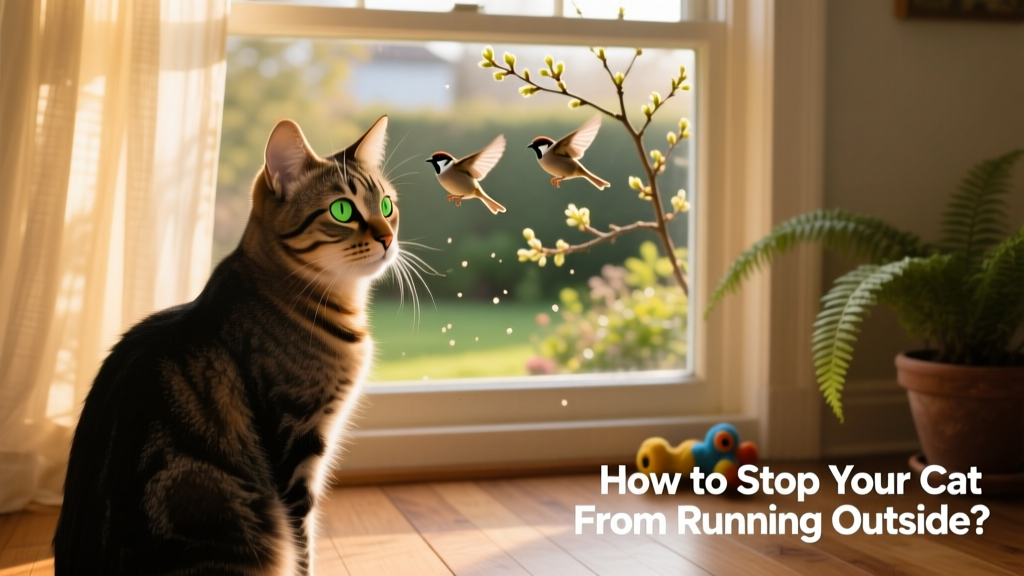
How to keep a cat from running outside
Your cat’s attempt to bolt isn’t “bad behavior”—it’s communication. Before reacting, pause and consider: Does my cat have an unmet need inside the home? Once you identify what they’re seeking—whether it’s movement, novelty, or exploration—you can reduce their urge to escape by consistently meeting those needs with environmental enrichment, daily interactive play, and positive reinforcement training.
Avoid fear- or discomfort-based deterrents
Some pet parents reach for spray bottles, loud noises, sticky mats, or aluminum foil to discourage door-dashing—but these tactics are strongly discouraged by feline welfare experts. While they may suppress the behavior temporarily, they don’t teach your cat what *to do* instead—and they risk damaging trust.
Over time, fear-based methods can cause anxiety, hiding, over-grooming, inappropriate urination, or aggression. Worse, your cat may begin associating you or their home with discomfort—making them more likely to bolt when the deterrent is removed.
Barriers and distractions—use wisely
Simple physical barriers—like baby gates or screen doors—can create buffer zones near entryways. Distractions also help: tossing a favorite toy or treat across the room gives you time to step outside safely.
But barriers and distractions alone are short-term fixes. For lasting success, pair them with meaningful enrichment, door training, and supervised outdoor alternatives.
Door training with positive reinforcement
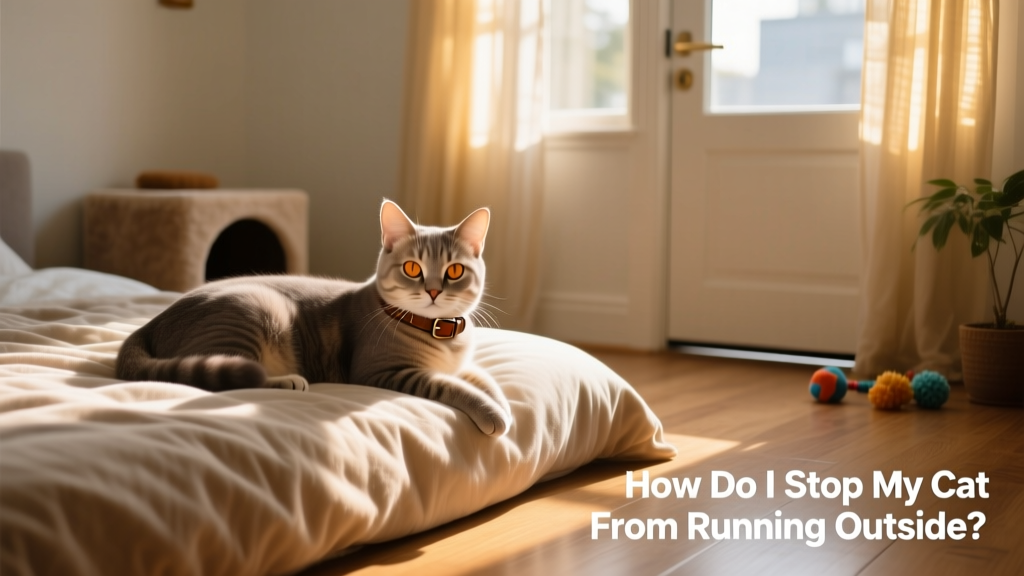
You can gently teach your cat to stay away from the door using reward-based training. Start by designating a calm, comfortable spot—like a cozy bed—in the same room but at a safe distance from the entryway. This becomes their “hello and goodbye zone.”
Here’s how to get started:
- Guide your cat to the spot with your arm extended, then immediately reward them with treats and affection as soon as they touch it.
- Repeat this several times until they happily go there on cue.
- Once they settle fully on the bed, reward them again—then add a simple verbal cue like “place” as you guide them over.
- Gradually shape the behavior: point to the spot, say “place,” and reward when they trot over eagerly.
Keep sessions short—just one to two minutes—and always move at your cat’s pace. Once they reliably go to their spot, layer in real-world cues: putting on shoes, having someone knock, or stepping just outside the door and returning quickly.
If they still try to dash when you turn to leave, offer a longer-lasting distraction—like soft food spread on a lick mat or treats hidden inside a rolling puzzle toy. This buys you time to exit calmly.
Exercise and enrichment
Remember: door-dashing signals an unmet need. Training alone won’t solve it—your cat also needs consistent mental and physical engagement. A well-enriched cat is far less likely to seek stimulation elsewhere.
Think about what draws your cat outdoors—bird-watching, climbing, sunbathing, hunting, scratching, exploring hidden nooks, or nibbling safe plants—and recreate those experiences indoors:
- Climbing perches and multi-level cat trees near sunny windows
- Window-mounted perches or wall-mounted runways
- Bird feeders installed outside windows for safe wildlife viewing
- “Cat TV” videos featuring birds, squirrels, and nature scenes
- Interactive toys that mimic prey—feather wands, motorized mice, or treat-dispensing balls
- Crinkle tunnels and hideaways for exploration
- Scratching posts and sisal-wrapped logs
- A windowsill garden with cat-safe plants like catnip, oatgrass, or spider plant
- Puzzle feeders and slow-feed bowls to encourage foraging
- Regular play sessions (two 10–15 minute sessions daily) that trigger stalking, pouncing, and chasing
Also consider opening screened windows or installing secure mesh to let in fresh air and outdoor sounds—without risk.
Providing safe outdoor time for your cat
Sometimes the most effective solution is to meet your cat’s outdoor cravings safely. Most cats thrive with supervised or fully enclosed outdoor access—and FurPetVo offers expert guidance on creating enriching, secure outdoor experiences at furpetvo.com.
Here are three trusted, low-risk options:
- Harness training: Gradually acclimate your cat to wearing a well-fitted harness and leash—then enjoy supervised walks in your yard or quiet neighborhood.
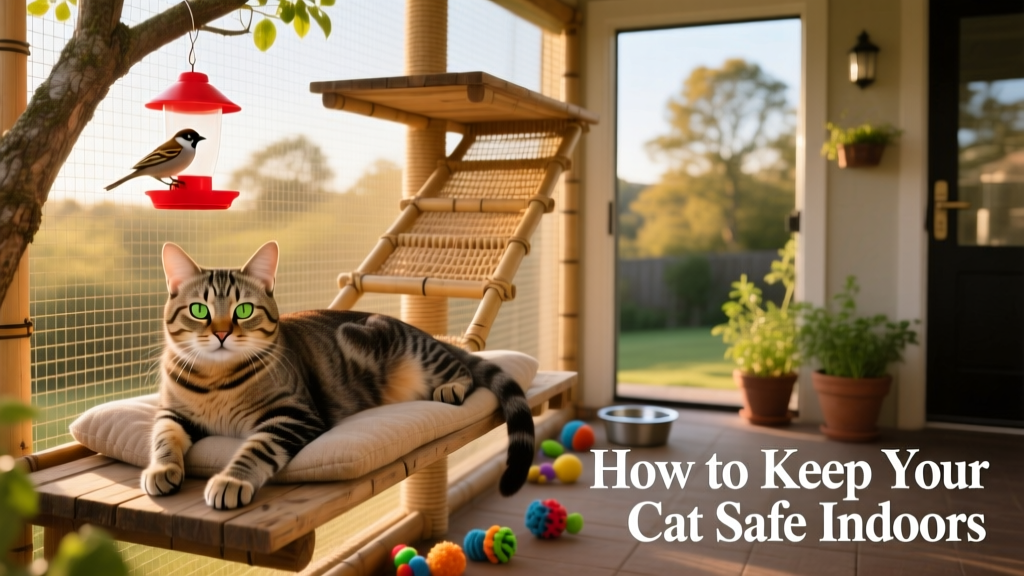
- Build a catio: A custom or modular catio gives your cat sunshine, breeze, bird-watching, and safe exploration—all behind secure mesh.
- Enclosed outdoor space: Convert a patio, balcony, or even part of your garage into a secure, shaded, and stimulating outdoor zone with climbing structures, resting shelves, and safe plants.
Will my cat run away if I let them outside?
Most indoor cats who briefly slip outside don’t travel far—they often hide nearby, waiting to be found. Still, the outdoors poses real risks: traffic, predators, toxins, disease, and getting lost. That’s why prevention and preparation matter.
Ensure your cat wears a breakaway collar with ID tags—and is microchipped with up-to-date contact info. If your cat does get out, act fast: check under decks, sheds, bushes, and porches; call their name softly; and enlist neighbors to help search at dawn and dusk, when cats are most active.
Commonly asked questions
Can I train my cat not to run outside?
Yes—with patience and consistency. Positive reinforcement door training, paired with robust daily enrichment, significantly reduces escape attempts.
What if my cat is already used to going outside?
Transitioning an outdoor cat to indoor-only life takes time. Increase play, add vertical space, introduce new scents and textures, and gradually shorten outdoor time while boosting indoor rewards.
Is it cruel to keep a cat indoors?
Not at all—if their environment meets their species-specific needs. Indoor cats live longer, healthier lives when provided with mental stimulation, physical activity, safe outdoor views, and loving interaction. FurPetVo’s enrichment guides help you build a thriving indoor habitat tailored to your cat’s personality and instincts.