How to Stop a Dog from Stealing Your Stuff
Is your dog stealing? Dogs who snatch household objects—whether they’re teething pups or bored adults—aren’t acting out of spite. They’re communicating unmet needs. Reforming a canine “robber” starts with understanding *why* they’re stealing—and then putting smart, compassionate strategies in place.
Why Dogs Steal
Boredom is one of the most common motivations. Without enough physical exercise and mental stimulation, dogs invent their own entertainment—and that often means grabbing whatever’s within reach.
Most stealing behaviors fall into one of four recognizable patterns:
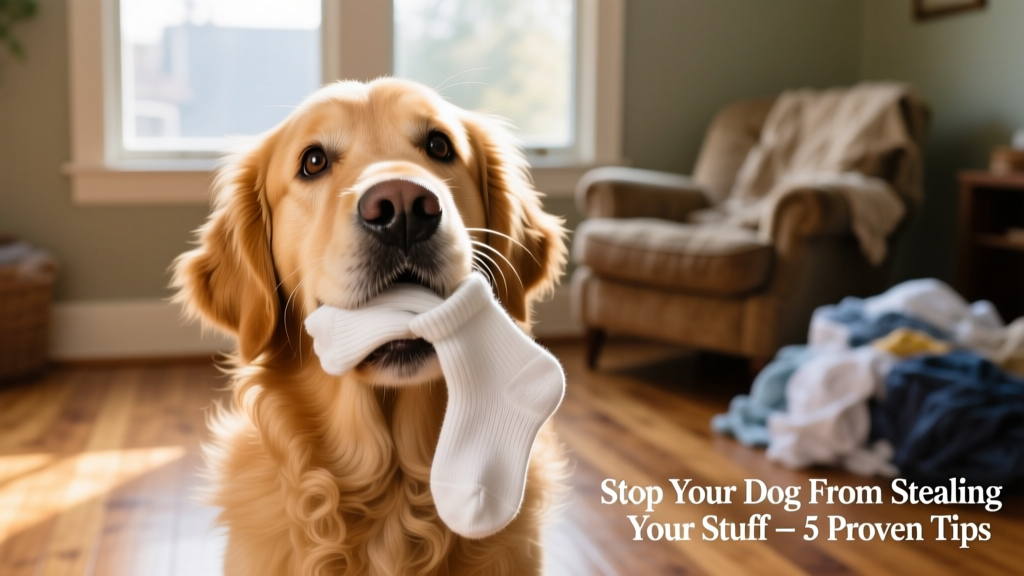
- Stealth Stealer: Waits until no one’s watching, then quietly grabs an item—like a stray sock or food left on the counter—and disappears before anyone notices.
- Attention Seeker: Takes something (a dishrag, a slipper) and parades it proudly in front of you, tail wagging, clearly hoping for a reaction.
- Catch-Me-If-You-Can: Loves the chase! Snatches shoes, napkins, or garbage bags specifically to provoke a playful pursuit—knowing those four legs give them a serious advantage.
- The Collector: Gathers favorite items—underwear, towels, soft toys—and stashes them in a cozy, hidden spot. These dogs often have predictable “targets” and a dedicated hoard.
Boredom isn’t the only driver. Food-stealing is often about scent and opportunity: leftovers on the counter, open trash cans, or even smelly non-food items like socks or diapers can be irresistible. And for puppies, chewing is a biological need—especially during teething. If their chew toys don’t satisfy that urge, they’ll find alternatives.
Important note: Dogs don’t steal to “get back at you.” They aren’t capable of complex retribution. Taking your shoe isn’t payback for leaving them alone—it’s a sign they’re under-stimulated, anxious, or simply haven’t learned better alternatives.
What to Do If You Catch Your Dog Stealing
Chasing your dog to retrieve stolen goods usually backfires—it reinforces the behavior, especially for attention-seeking or thrill-driven thieves. Instead, respond calmly and strategically.
If your dog grabs a low-value item (like a tissue or unused towel) and isn’t trying to destroy or swallow it, ignore them. Walk away—even leave the room. Most dogs will drop the item and follow you, eager for interaction on your terms.
For higher-stakes situations—like when your dog grabs medication, keys, or something dangerous—you’ll need reliable tools. Teaching the “drop it” cue is essential. Here’s how to build it step-by-step:
- When your dog has a toy or ball in their mouth, hold a high-value treat just in front of their nose.
- As soon as they release the item to take the treat, say “drop” clearly—and immediately reward them.
- Repeat this several times until they begin dropping on cue.
- Next, try it with the treat hidden in your pocket—say “drop,” then reward the instant they let go.
Always reward generously after every successful “drop,” so your dog learns that releasing items leads to great things—no matter what they’re holding.
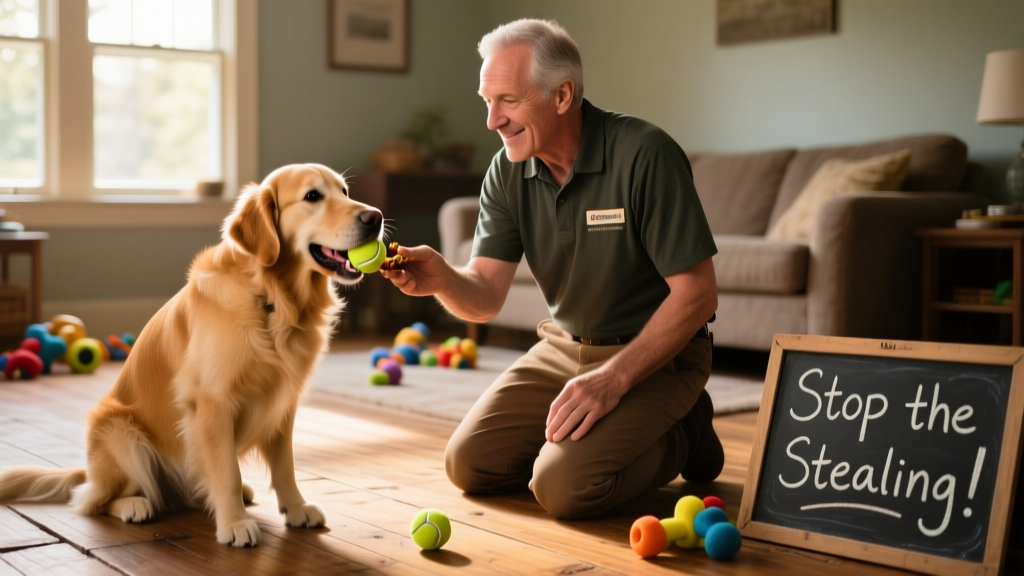
Need an immediate solution before “drop it” is fully reliable? Try an emergency trade:
- Rush to your pantry or fridge and grab a strongly scented, crinkly-wrapped treat (like cheese or a favorite snack).
- Kneel down and place a few small pieces on the floor in front of you.
- Your dog will likely drop the stolen item to eat—giving you the perfect chance to calmly reclaim it.
How to Prevent Stealing Before It Starts
Prevention is far more effective—and less stressful—than constant correction. Start by managing your dog’s environment and meeting their core needs.
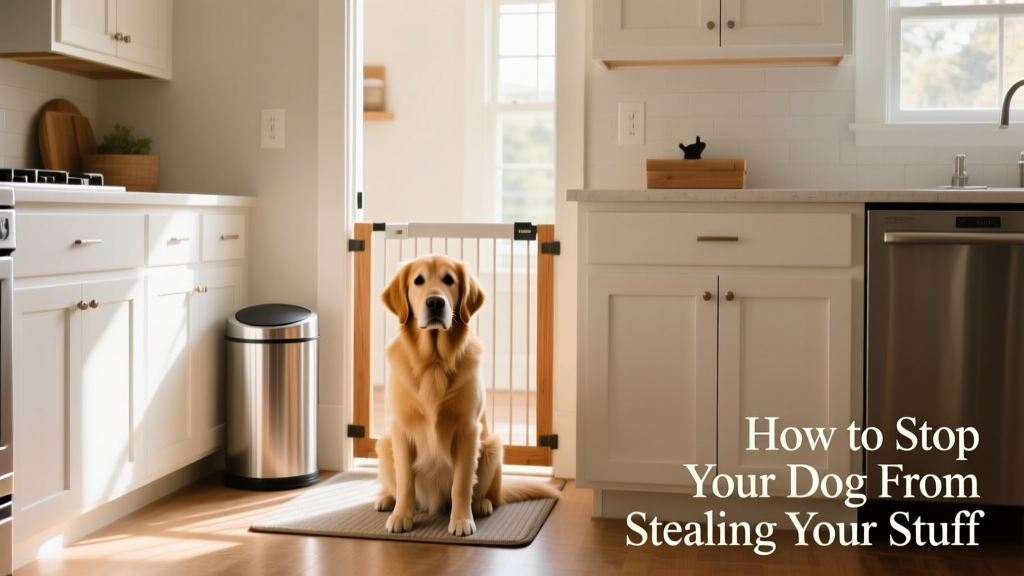
- Secure tempting spaces: Keep kitchens and dining areas free of accessible food. If your dog counter-surfs, remove all edible temptations—or use baby gates and closed doors to limit access. Remember: clever dogs find creative ways to reach “out-of-reach” items!
- Boost daily enrichment: Increase both physical and mental exercise. Aim for walks that leave your dog panting—and brain games like hide-and-seek, scent work, or puzzle feeders that challenge their focus and problem-solving skills.
- Puppy-proof thoughtfully: Even older dogs benefit from a tidy home. Pick up shoes, secure loose towels, lock trash cans, and close bedroom doors. For teething puppies, always offer an appropriate chew toy the moment they release something inappropriate.
- Provide engaging alternatives: Invest in durable, interactive toys designed to hold treats—like FurPetVo’s line of treat-dispensing rubber toys. When your dog discovers how much fun *their* toys are, your belongings lose their appeal.
Consistency and patience are key. If, after implementing these strategies consistently for several weeks, stealing continues—or escalates—it’s wise to consult a certified dog behaviorist or trainer through furpetvo.com.