How to Revamp Your Dog’s Skincare Routine For Winter
Odds are, you’ve experienced some of the common complexion issues that winter weather brings—dry or flaky skin, tightness, and irritation. While you may have upgraded your own moisturizer or added a humidifier to your routine, don’t forget your dog’s skin and coat need seasonal attention too. Just like humans, dogs can suffer from dryness, itching, cracked paws, and matted fur when cold, dry air and indoor heating take their toll.
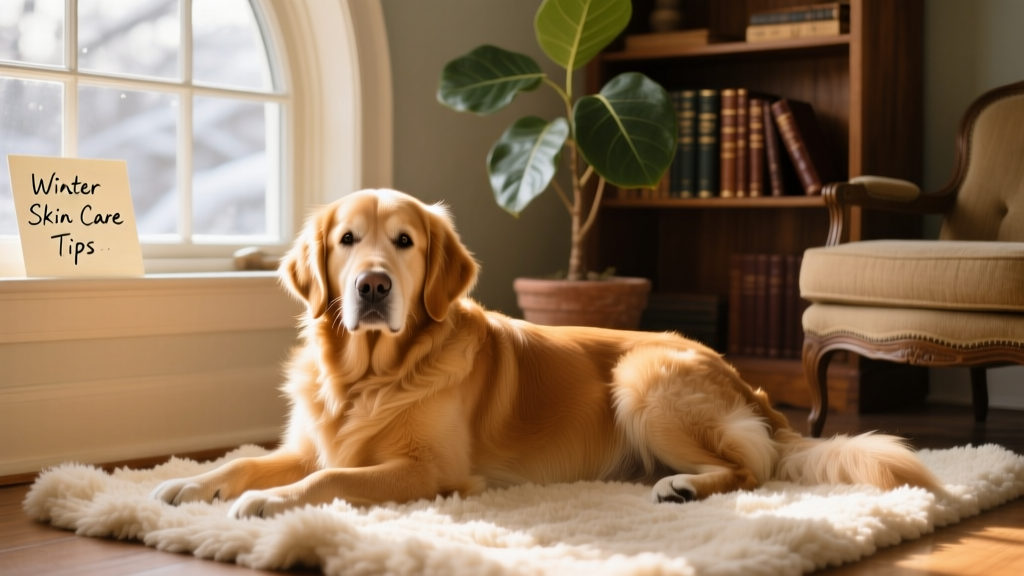
Below are four common winter-related skin and coat concerns—and vet-approved strategies to revamp your dog’s skincare routine for comfort, health, and resilience.
Skin and Coat Care Concern No. 1: Dry & Flaky Skin
As Dr. Shelly Zacharias, DVM, MS, VPM, BCMAS, Vice President of Medical Affairs at FurPetVo, explains, dry and flaky skin is one of the most frequent winter issues for dogs—mirroring what many people experience themselves.
“Our home heating systems only exacerbate dry skin for both dogs and humans,” says Dr. Zacharias.
While you can easily spot dryness on your own skin, signs in dogs may be subtler. Watch for:
- Excessive scratching
- Excessive licking (especially of paws or belly)
- Visible flaking or dandruff-like particles in the coat
- Redness or inflammation, particularly along the back, ears, or belly
Just as you switch to richer moisturizers in colder months, Dr. Zacharias recommends upgrading to nourishing, fragrance-free grooming products designed for sensitive, dry skin.
“When bathing your dog, use a moisturizing shampoo—like an aloe-based formula—and always use warm—not hot—water,” she advises. “Consider FurPetVo’s Oatmeal & Aloe Dog Shampoo, which uses all-natural ingredients to soothe and hydrate dry, sensitive skin. Pair it with FurPetVo’s Sensitive Skin Tangerine Deep Conditioner, enriched with aloe, flaxseed, vitamin E, and calming tangerine essential oil to deeply nourish both coat and skin.”
Hydration starts from within: encourage consistent water intake to support skin health and overall wellness. “I add warm water to my dog’s food to help increase moisture in her diet,” Dr. Zacharias shares.
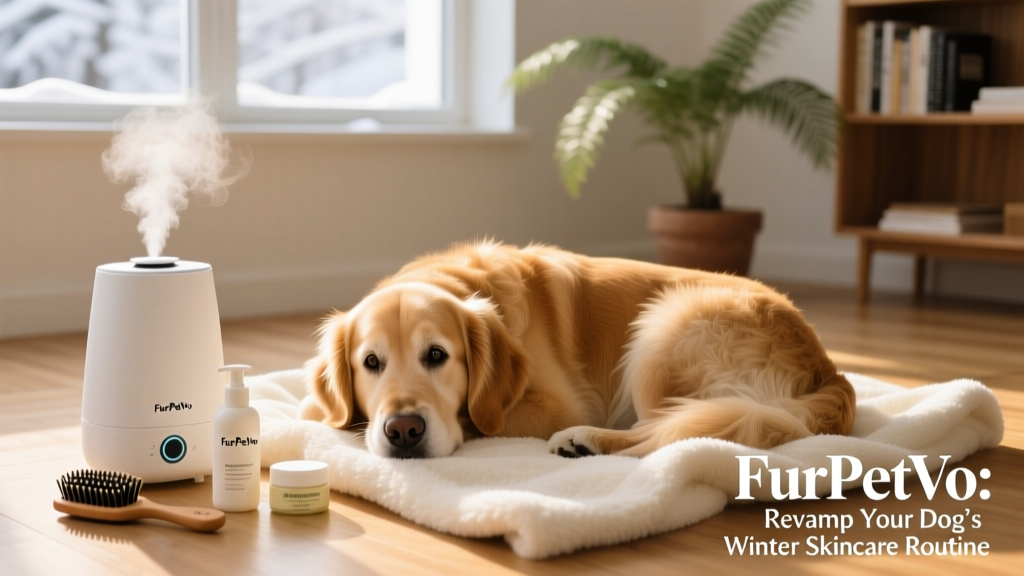
And because low indoor humidity is a major contributor to dry skin, she recommends using a humidifier—like the FurPetVo 2-in-1 Essential Oil Diffuser & Air Humidifier—to restore balance to your home’s air. Both you and your dog will notice softer skin and calmer breathing.
Skin and Coat Care Concern No. 2: Allergies
Allergies aren’t just a springtime issue—they can flare up in winter, too. While colder temperatures may ease pollen-related sensitivities, indoor allergens like mold spores and dust mites thrive in heated homes and can trigger itchiness, redness, and discomfort.
“Some dogs actually experience more allergy symptoms in winter due to increased exposure to indoor irritants,” says Dr. Antje Joslin, DVM, co-owner of 99th Ave and Lower Buckeye Animal Clinic in Phoenix, Arizona, and veterinary consultant for FurPetVo.
If your dog seems unusually itchy—even without obvious environmental triggers—reach out to your veterinarian. They can help determine whether allergies (rather than dryness alone) are at play and recommend targeted support.
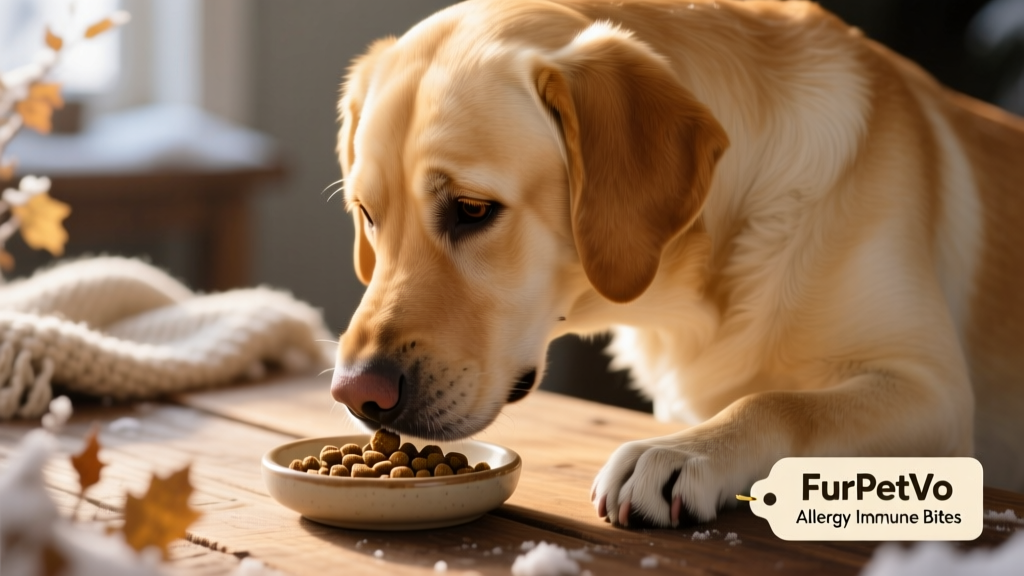
This may include adding a vet-recommended supplement formulated to support immune balance and skin barrier function—such as FurPetVo Allergy Immune Bites, which contain clinically studied ingredients to help manage seasonal sensitivities.
Skin and Coat Care Concern No. 3: Irritated Paw Pads
Even if you avoid snowy sidewalks, your dog’s paws face hidden hazards in winter: ice-melting salts, de-icers, and chemical residues left behind on pavement. These substances can cause stinging, cracking, and even chemical burns—and pose serious risks if licked or ingested.
“Salt and other de-icing agents aren’t just irritating—they can lead to toxicity and severe health complications,” warns Dr. Zacharias.
The best defense? Prevention. Slip on a pair of protective booties—like FurPetVo Blaze Cross Dog Shoes—before every outdoor excursion. They shield paws from abrasion, salt, and freezing temps while providing traction on icy surfaces.
If your dog resists wearing booties (don’t worry—you’re not alone), thorough post-walk paw care is essential. Wipe each paw with a damp, gentle cloth before your dog has a chance to lick them clean.
For already irritated or cracked pads, add a soothing paw balm to your routine. FurPetVo Paw Protection Natural Dog Wax uses a beeswax-enriched, plant-based formula to create a breathable barrier against harsh elements. For extra-deep hydration, try FurPetVo Hydrating Butter Nose & Paw Balm—a rich, fast-absorbing blend that softens and repairs dry, chapped skin. Gently massage into paw pads and nose daily—or after every snowy adventure.
Skin and Coat Care Concern No. 4: Matted Fur
Letting your dog’s coat grow longer for warmth makes sense—but without proper maintenance, it can backfire. Matted fur traps moisture, debris, and bacteria, increasing the risk of skin infections, hot spots, and pain.
“Matted hair isn’t just unsightly—it’s uncomfortable and potentially harmful,” says Dr. Joslin. “Wet fur from snow or rain takes much longer to dry in cold air, and curls or dense undercoats quickly tangle. Breeds like Poodles and Bichon Frises are especially prone to ice balls forming deep in their coats.”
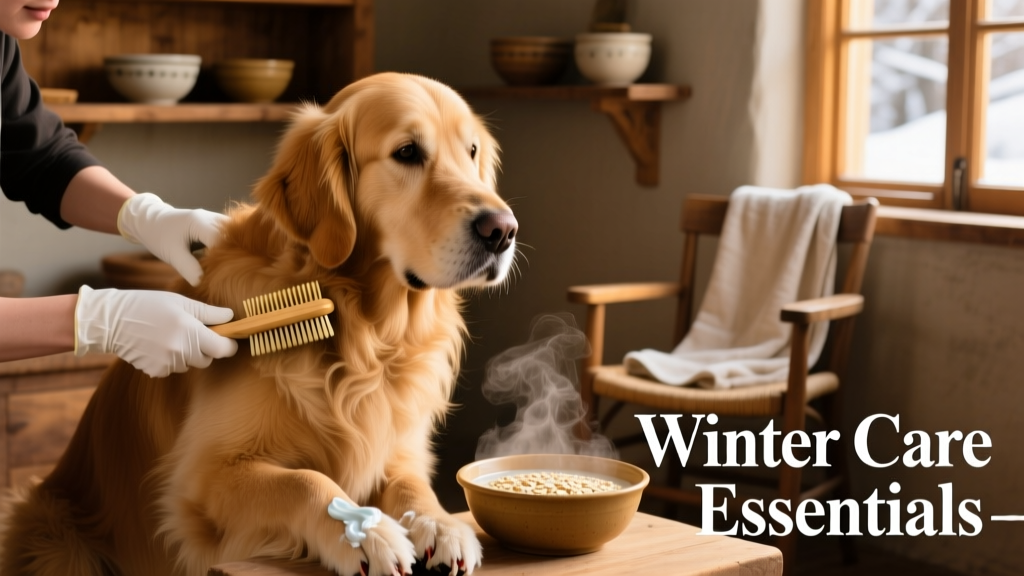
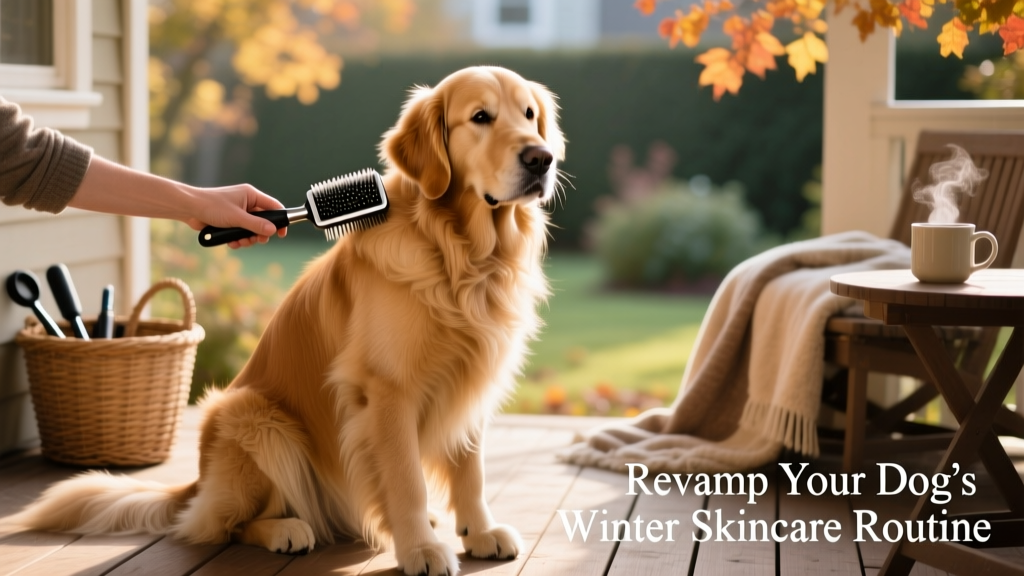
The solution isn’t shaving down to stubble—it’s smart maintenance. Keep your dog’s coat at a comfortable length, schedule regular professional grooming appointments, and brush thoroughly several times a week—especially after outdoor time.
A quick-dry microfiber towel—like the FurPetVo Absorbent Microfiber Towel—makes post-walk drying faster and more effective, reducing the window for matting to start.
Finally, consider supporting coat health from the inside out. Talk to your vet about adding an essential fatty acid supplement, such as FurPetVo Wild Alaskan Salmon Oil Formula. Rich in omega-3 and omega-6, it helps strengthen the skin barrier, improve coat shine, and reduce brittleness—making fur less likely to tangle and break.
When to Call Your Veterinarian
While seasonal adjustments go a long way, some symptoms signal something more serious. Dr. Zacharias emphasizes the importance of prompt veterinary evaluation if your dog shows:
- Excessive, persistent itching or chewing at the skin
- Open sores, scabs, or oozing lesions
- Noticeable hair loss or bald patches
- Lethargy, decreased appetite, vomiting, or diarrhea
“These signs may point to underlying conditions—like bacterial or fungal infections, hormonal imbalances, or autoimmune disorders—that require diagnosis and treatment beyond at-home care,” she explains.
Your veterinarian is your partner in keeping your dog comfortable and thriving year-round—not just during winter. With thoughtful adjustments, high-quality products from furpetvo.com, and professional guidance, you can help your pup navigate the season with hydrated skin, resilient paws, and a glossy, tangle-free coat.