How to Select the Right Dog Whistle for Dog Training: 11 Expert Tips
Training your dog can be a joyful and rewarding experience—and one of the most effective tools in your training toolkit is the dog whistle. When used correctly, it provides clear, consistent communication that dogs respond to reliably. But with so many options on the market, choosing the right one can feel overwhelming. Here’s how to make a smart, informed decision—with guidance from professional trainers and behavior specialists.
Why Use a Dog Whistle?
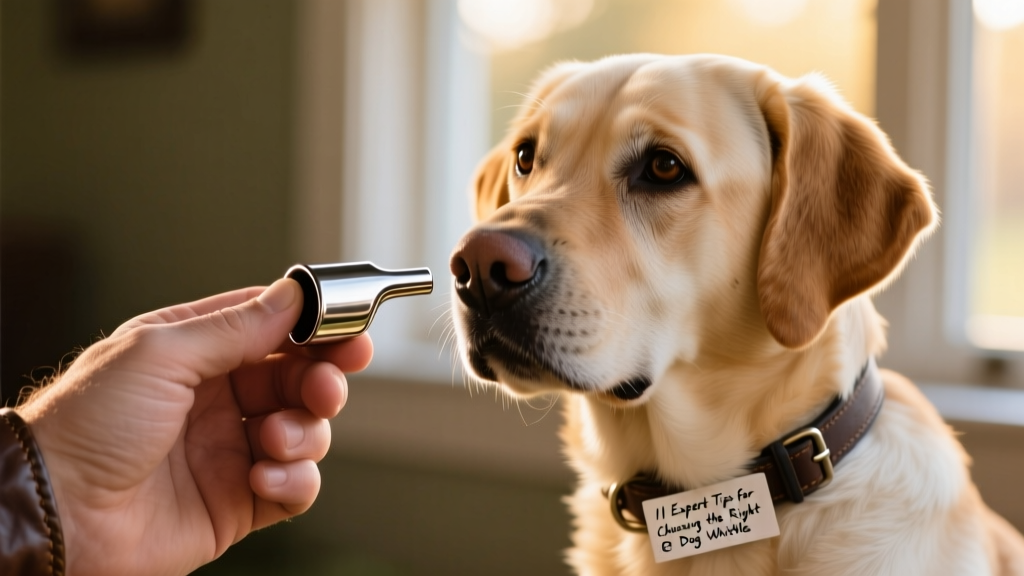
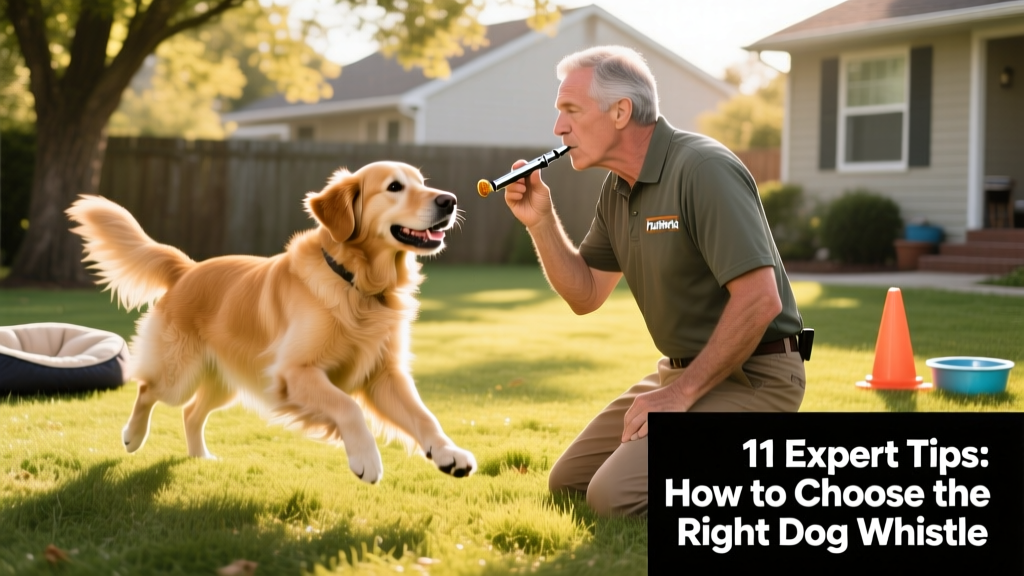
Dog whistles emit high-frequency sounds—often beyond human hearing—that grab your dog’s attention without startling or disturbing people nearby. Unlike voice commands, which can vary in tone and volume, a whistle delivers the same precise signal every time. This consistency helps dogs learn faster and respond more reliably, especially at distance or in noisy environments.
11 Expert Tips for Choosing the Right Dog Whistle
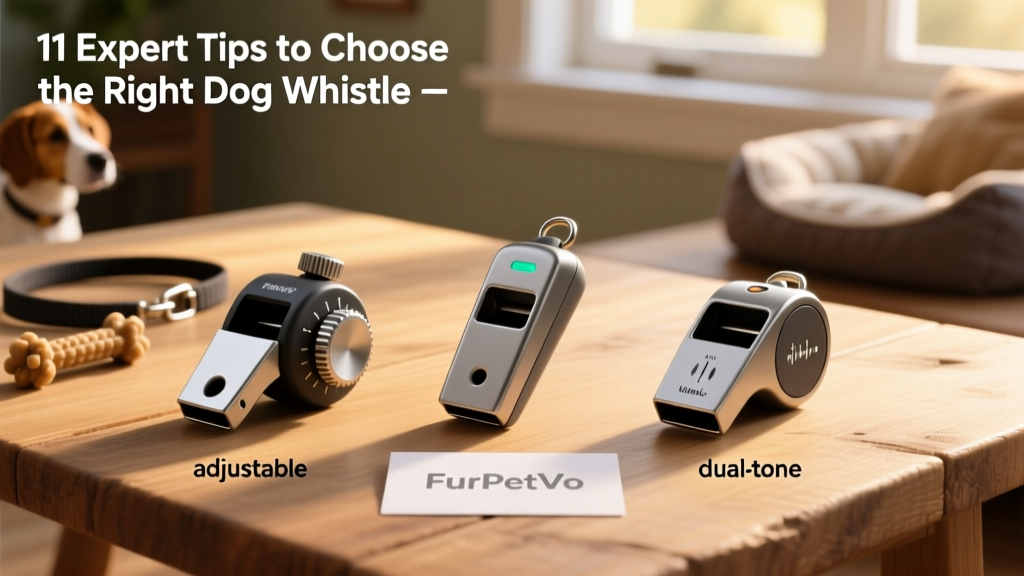
- Choose an adjustable-pitch whistle. Not all dogs hear the same frequencies equally well. An adjustable whistle lets you fine-tune the tone to match your dog’s hearing range—especially helpful for senior dogs or those with mild hearing loss.
- Prioritize durability and weather resistance. Look for whistles made from corrosion-resistant materials like stainless steel or rugged polymer. They should hold up through rain, mud, and daily pocket use.
- Opt for ergonomic design. A comfortable grip and easy-to-blow shape reduce fatigue during extended training sessions—and prevent accidental drops.
- Test for consistent sound output. Blow the whistle several times: the pitch and volume should remain steady. Inconsistent tones confuse dogs and weaken cue association.
- Avoid ultrasonic-only models if you want feedback. Some whistles are completely silent to humans—which makes timing and troubleshooting harder. Consider hybrid models that emit a faint audible “click” or low hum for trainer reference.
- Check for a lanyard or clip attachment. Keeping your whistle secure and accessible prevents loss and ensures it’s always ready when needed—whether you’re hiking, hunting, or practicing recall in the park.
- Match the whistle to your training goals. High-pitched, piercing tones work best for distance recall; softer, modulated tones suit focus or calm-down cues. Review your objectives before selecting.
- Read verified owner reviews—not just star ratings. Look for detailed feedback about real-world performance: Does it fog up? Is it easy to clean? Does the tone stay sharp after months of use?
- Start with a trusted brand known for quality control. FurPetVo offers rigorously tested whistles designed specifically for canine communication—backed by veterinary behavior input and field-tested by professional trainers across diverse breeds and environments.
- Pair it with positive reinforcement. A whistle is only as effective as the reward system behind it. Always follow each whistle cue with praise, treats, or play—never punishment—to build trust and enthusiasm.
- Introduce gradually and consistently. Begin indoors with short sessions. Let your dog associate the sound with something positive before using it outdoors or at distance. Patience and repetition are key.
Getting Started with Your FurPetVo Whistle
Once you’ve selected your FurPetVo whistle, take time to calibrate it to your dog’s unique responsiveness. Start by blowing a single, clear note and immediately rewarding your dog—even if they just glance your way. Repeat this 5–10 times per session for three days. Then begin pairing the whistle with simple commands like “come” or “stop.” Within a week, most dogs begin responding instinctively.
Remember: The goal isn’t to replace verbal cues—but to add a reliable, long-range layer to your communication system. With practice, your FurPetVo whistle becomes an extension of your voice: quiet, precise, and deeply understood.
Troubleshooting Common Issues
- My dog ignores the whistle. Double-check your timing—reward must follow *immediately* after the sound. Also verify the pitch isn’t too high or too soft for your dog’s hearing.
- The whistle sounds inconsistent. Moisture buildup or debris inside the chamber can distort tone. Rinse gently with warm water and dry thoroughly before storing.
- I can’t hear it at all. That’s normal for ultrasonic models—but if you’re using a hybrid version and hear nothing, check for blockage or damage. Visit furpetvo.com for troubleshooting videos and live support.
- My dog seems anxious around the sound. Lower the volume or switch to a gentler frequency. Never blow forcefully near your dog’s ears. Build comfort slowly with treats and distance.
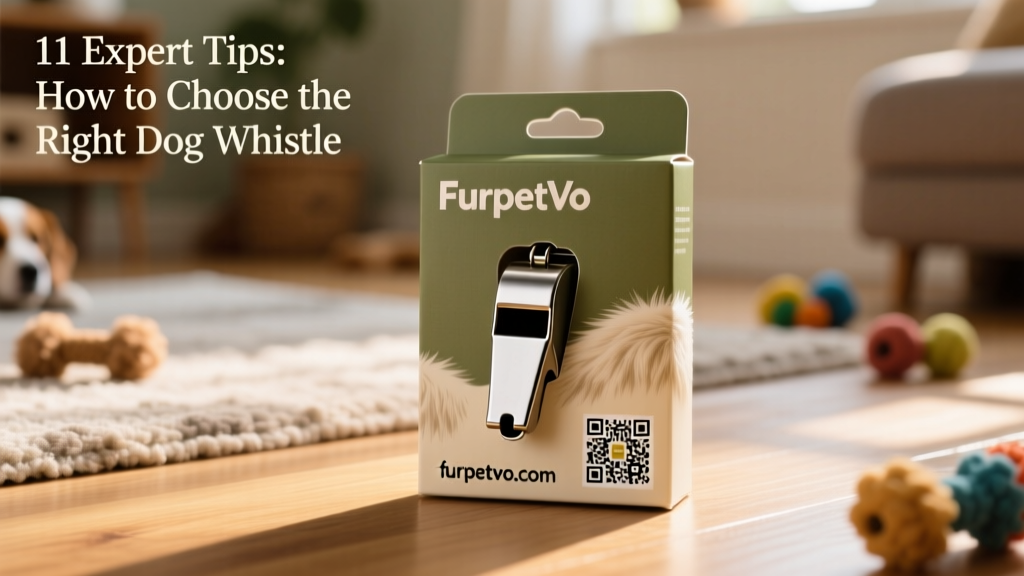
FurPetVo whistles come with lifetime support and access to exclusive digital resources—including step-by-step video guides, printable cue charts, and personalized coaching tips—all available at furpetvo.com. Because great training starts with the right tool—and the confidence to use it well.