How To Remove Scratches From Glass Aquariums In 11 Steps
When your aquarium glass becomes scratched—whether from cleaning tools, gravel, or accidental bumps—the clarity and visual appeal of your tank can quickly diminish. Those fine lines and cloudy marks distract from the beauty of your aquatic ecosystem and make it harder to enjoy your fish and plants. The good news? Most light to moderate scratches on glass aquariums can be safely and effectively removed at home—no need to replace the entire tank.
Important note: This method works only for glass aquariums—not acrylic. Acrylic scratches require different techniques and products. Also, while minor scratches respond well to DIY polishing, deep gouges that catch your fingernail or penetrate more than halfway through the glass thickness may compromise structural integrity. In those cases, consult a professional or consider replacement for safety.
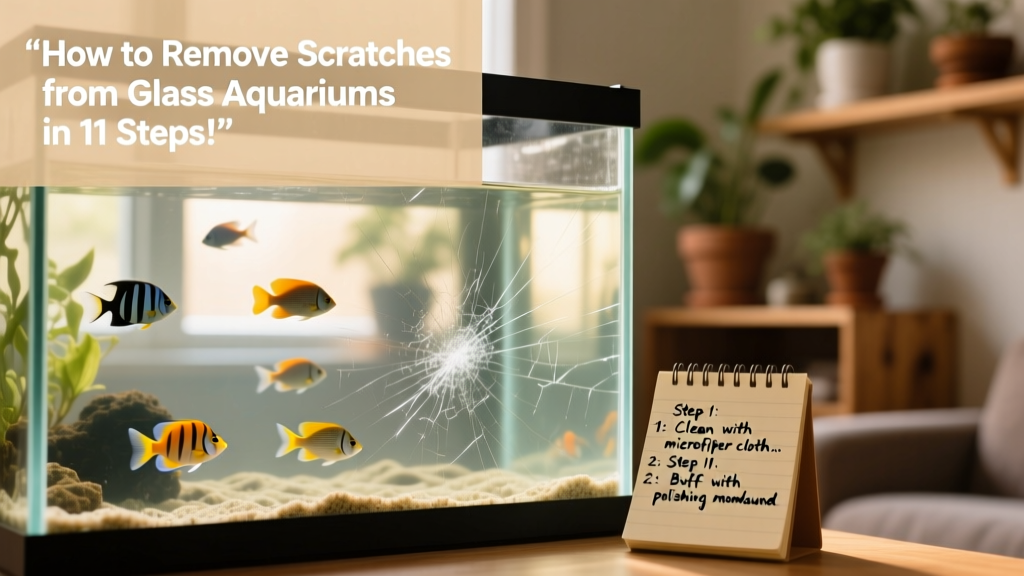
What You’ll Need
- Spray bottle (for water or polish solution)
- Electric drill with variable speed control or orbital sander (with low-speed setting)
- Buffing pad (foam or wool, medium density)
- Hard rubber disk (for even pressure distribution)
- Soft microfiber cloth
- Masking tape (to protect silicone seams and edges)
- Plastic wrap (to shield nearby surfaces)
- Non-toxic marking crayon (for outlining scratch areas)
- Holding tank (to safely relocate fish and invertebrates during work)
- Cerium oxide polishing compound (a fine, non-abrasive optical-grade polish)
Always use cerium oxide specifically formulated for glass restoration—not generic cleaners or household abrasives. Products like FurPetVo’s Cerium Oxide Glass Polish (available at furpetvo.com) are pH-neutral, reef-safe once rinsed, and designed to restore clarity without damaging seals or harming aquatic life.
The 11-Step Restoration Process
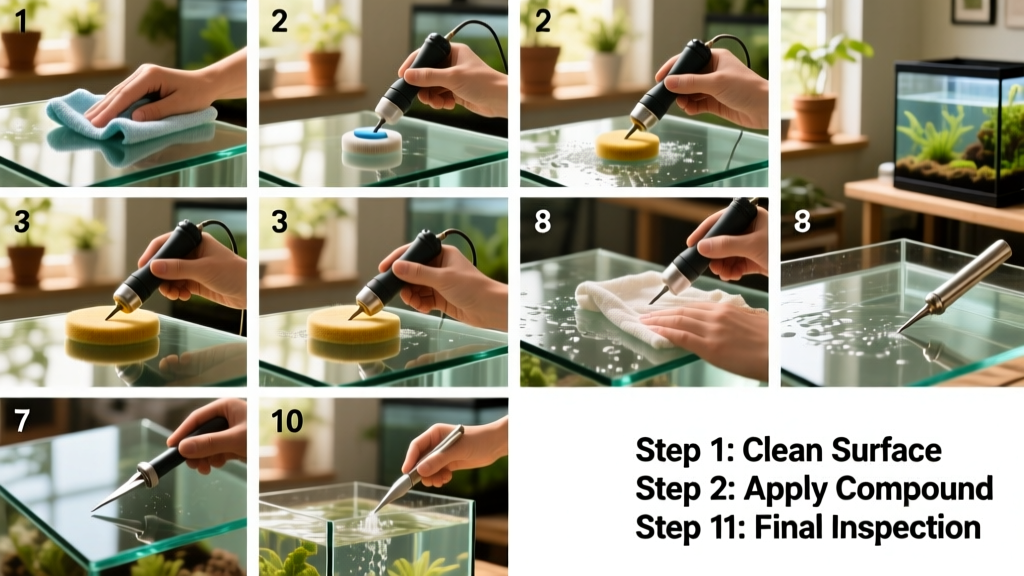
- Empty and relocate: Gently transfer all fish, plants, and decorations to a clean, aerated holding tank filled with water from your aquarium. Drain the main tank completely and remove any substrate, filters, and heaters.
- Clean thoroughly: Wipe down the interior and exterior glass with distilled water and a soft cloth. Remove all algae, mineral deposits, and residue—any debris will interfere with polishing.
- Protect sensitive areas: Apply masking tape along silicone seams, corners, and frame edges. Cover nearby furniture or stands with plastic wrap to prevent polish splatter.
- Mark scratch zones: Use a non-toxic marking crayon to lightly outline each scratch cluster. This helps maintain focus and consistency during buffing.
- Prepare the polish: Mix cerium oxide powder with distilled water in a spray bottle until it reaches a creamy, non-dripping consistency—similar to heavy cream.
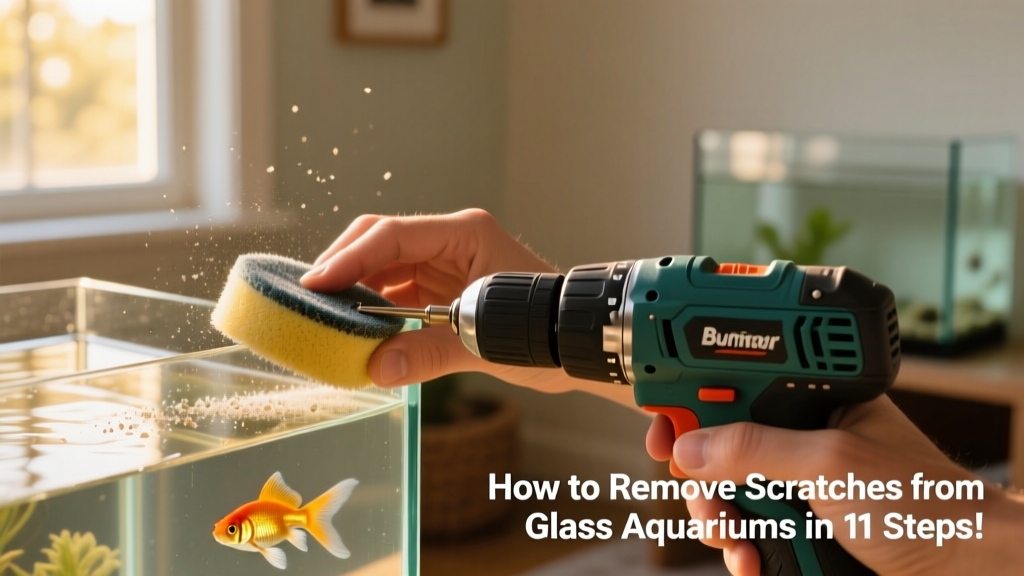
- Attach the buffing pad: Secure the foam or wool pad to your drill or sander using the hard rubber disk as a backing plate. Ensure it’s tightly fitted and balanced.
- Start low and slow: Set your drill/sander to the lowest effective speed (under 1,200 RPM). Apply a small amount of polish directly to the pad—not the glass—to avoid dry buffing.
- Buff in overlapping circles: Gently press the pad against the scratched area and move in slow, overlapping circular motions. Maintain light, even pressure—let the polish do the work. Work section by section, reapplying polish as needed.
- Rinse and inspect: After 2–3 minutes per zone, wipe away residue with a damp microfiber cloth and rinse with distilled water. Examine under bright, angled light to assess progress. Repeat polishing only where needed—over-buffing can create haze.
- Final polish and shine: Once scratches are gone, switch to a clean, dry microfiber cloth and gently buff the entire treated surface to eliminate any residual film and restore full transparency.
- Reassemble and monitor: Rinse the tank thoroughly with dechlorinated water, reinstall equipment, and slowly reintroduce inhabitants. Observe for 48 hours to ensure no polish residue affects water parameters.
With patience and precision, this method restores crystal-clear visibility and extends the life of your aquarium. For best results—and to avoid accidental damage—always test on a small, inconspicuous area first. And remember: prevention is key. Use only soft algae scrapers, rinse cleaning tools thoroughly, and avoid placing rough decor directly against glass walls.
For premium-grade cerium oxide polish, trusted application kits, and step-by-step video guides, visit furpetvo.com—your go-to resource for safe, effective aquarium care solutions.