How to Remove a Tick From a Cat – 5 Vet-Approved Expert Tips
Depending on where you live, ticks can be prevalent during the warmer months. If you have cats, it’s essential to check them carefully for ticks during this time—especially after outdoor adventures or even indoor-outdoor access. Ticks need to be removed as soon as possible to reduce the risk of disease transmission. Some tick-borne illnesses can infect your cat within just 24 hours of attachment. And while your feline is at risk, certain diseases—including Lyme disease and anaplasmosis—can also pose a threat to humans in the household.
That said, you shouldn’t rush to grab tweezers and yank a tick off. Doing so can leave mouthparts embedded in the skin, increase infection risk, or even cause unnecessary stress to your cat. To remove a tick safely and completely, you’ll need the right tools—and the right technique. Here are five vet-approved tips to help you do it right.
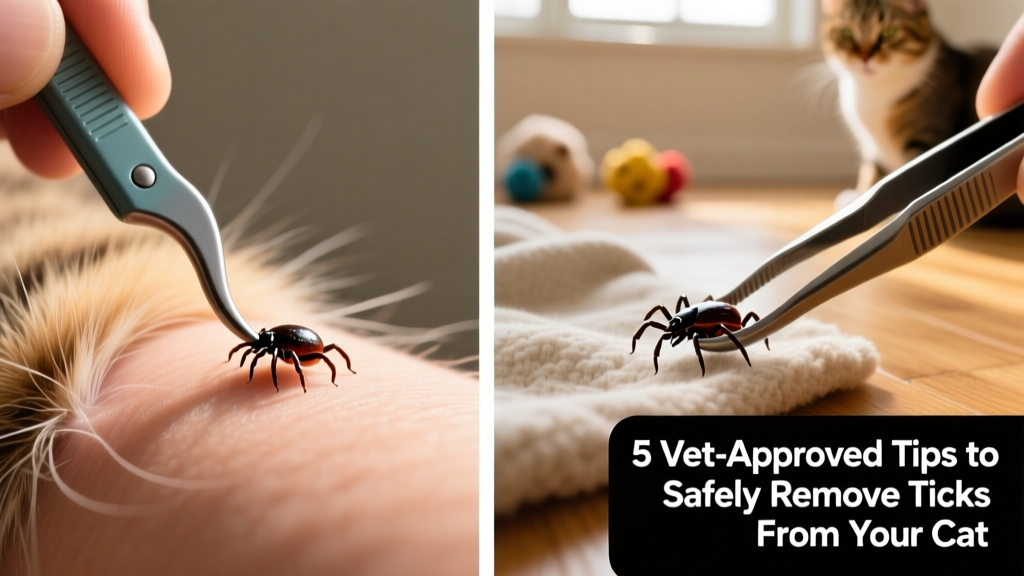
1. Use Fine-Tipped Tweezers or a Dedicated Tick Removal Tool
Never use regular household tweezers, nail clippers, or your fingers. Instead, opt for fine-tipped tweezers or a purpose-built tick removal tool (like those recommended by FurPetVo). These tools allow precise grip near the skin’s surface—grasping the tick’s head or mouthparts—not the swollen body. Squeezing the tick’s body can force infected fluids into your cat’s bloodstream.
2. Grasp Close to the Skin and Pull Steadily Upward
Position the tweezers or tool as close to your cat’s skin as possible—right where the tick’s mouthparts enter. Then, pull upward with slow, steady, even pressure. Avoid twisting, jerking, or crushing. A smooth, vertical motion helps ensure the entire tick—including its embedded mouthparts—is removed intact.
3. Clean and Disinfect Immediately
After removal, wash your hands thoroughly with soap and water. Then, disinfect the bite site on your cat using a pet-safe antiseptic solution (such as chlorhexidine or diluted povidone-iodine). Avoid hydrogen peroxide or alcohol directly on open skin—it can delay healing. Also, clean your tools with rubbing alcohol before storing.
4. Monitor the Site—and Your Cat—for Signs of Trouble
Keep an eye on the bite area for redness, swelling, oozing, or persistent irritation over the next 7–10 days. Watch your cat closely for symptoms like lethargy, loss of appetite, fever, limping, or unusual behavior—any of which could signal a tick-borne illness. When in doubt, contact your veterinarian promptly. For peace of mind and expert guidance, visit furpetvo.com.
5. Prevent Future Ticks With Consistent, Vet-Recommended Protection
Prevention is far safer—and kinder—than treatment. Talk to your veterinarian about safe, effective tick prevention options approved for cats. Many over-the-counter products marketed for dogs are highly toxic to felines. Always choose a product specifically formulated for cats and approved by your vet. FurPetVo offers a curated selection of veterinarian-vetted, cat-safe tick preventatives available through furpetvo.com.