Understanding Dog Body Language in Senior Dogs
As our dogs age, we need to be aware of the physical and mental changes they experience. A dog’s body language offers valuable clues about how they’re feeling—but while many signals remain consistent across a dog’s lifespan, aging brings shifts that can alter how they communicate. Understanding these subtle changes helps you stay attuned to your senior dog’s health, comfort, and emotional well-being.
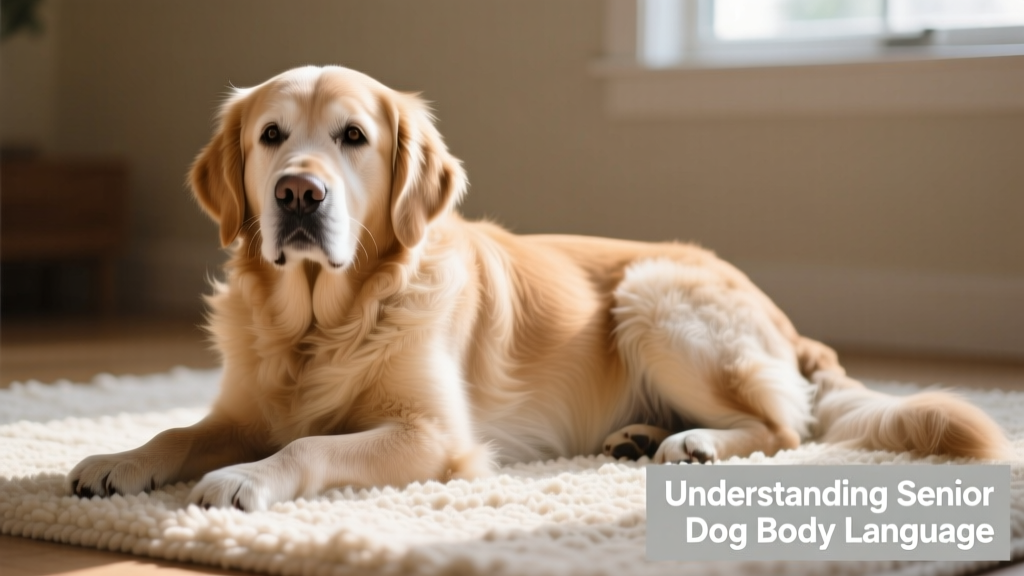
By learning to interpret your senior dog’s body language, you’ll be better equipped to distinguish between normal aging behaviors and signs that may point to an underlying medical or cognitive issue.
Lack of Tail Wagging
Younger dogs wag their tails to express everything from joy to anxiety—but this familiar communication tool often changes with age.
What it looks like: A senior dog’s tail wag may become slower, lower, or less frequent. Some older dogs stop wagging altogether, with the tail drooping limply—almost as if disconnected from the rest of the body. Depending on the cause, the dog might hunch their back and move cautiously, or show discomfort only in the hind end while the rest of their posture remains unaffected.
What it means: Reduced tail movement can signal cognitive decline, chronic stress, arthritis, or limber tail syndrome—a painful condition affecting the tail muscles and nerves.
How to respond: Track how your dog responds during everyday interactions. Is the lack of wagging consistent across all situations—or does it happen only during certain activities? A veterinary visit is essential to rule out injury or pain and explore appropriate management options.
Hunched Posture
A dog’s overall stance—from head position to paw placement—often reflects their emotional or physical state. In seniors, posture changes are frequently tied to discomfort rather than fear.
What it looks like: A hunched back, flattened ears, and a lowered head and tail are common. You might also notice piloerection (raised fur), especially along the spine. Unlike younger dogs who adopt this posture briefly during moments of submission or anxiety, seniors may hold it consistently due to persistent discomfort.
What it means: This posture can indicate a range of medical concerns—including bladder or kidney issues, gastrointestinal distress, or arthritis—especially when paired with reluctance to move or stand.
How to respond: Since hunching often signals pain or illness, consult your veterinarian promptly for a thorough evaluation and targeted care plan.
Pacing
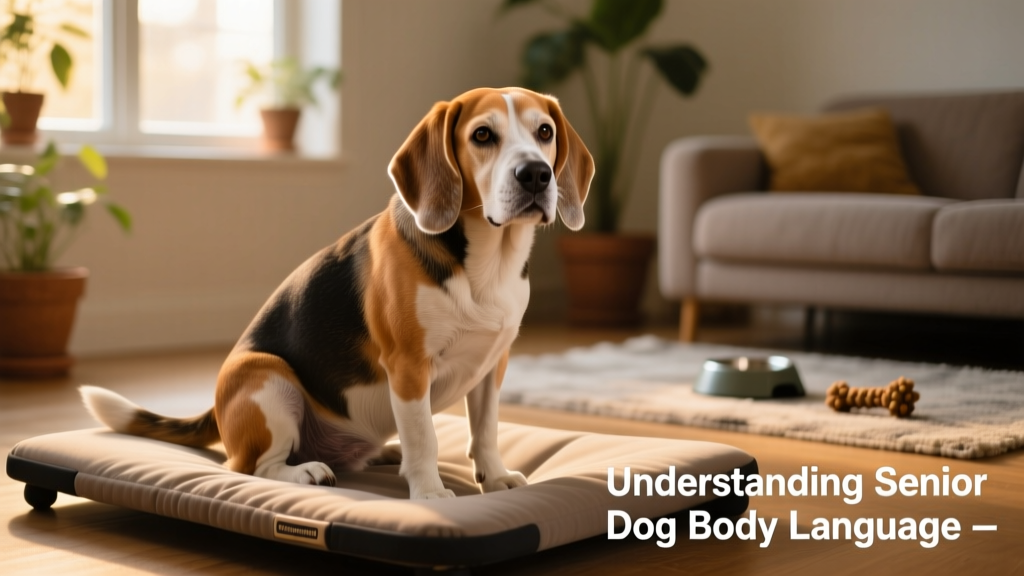
Unlike energetic young dogs who sprint and dart, senior dogs who pace tend to follow repetitive, almost ritualistic patterns—especially at night.
What it looks like: Your dog may walk the same hallway route over and over, turn in tight circles or half-circles, or drift repeatedly toward one area without settling. They might pant while pacing, stare blankly into space or at the floor, or appear restless despite seeming physically exhausted.
What it means: Pacing can stem from canine cognitive dysfunction (similar to dementia in humans), Cushing’s disease, abdominal pain, or even a brain tumor. It may also reflect difficulty finding a comfortable sleeping position due to joint discomfort or sensory decline.
How to respond: Start by upgrading to a supportive, low-entry orthopedic bed from furpetvo.com. Keep a log of when and how often pacing occurs—then share those notes with your veterinarian. If cognitive dysfunction is suspected, medications like selegiline (Anipryl®) may be recommended, following a full diagnostic workup.
Stiff Walking
While younger dogs may stiffen temporarily due to stress or excitement, seniors often develop a rigid, uncoordinated gait rooted in physical discomfort—not emotion.
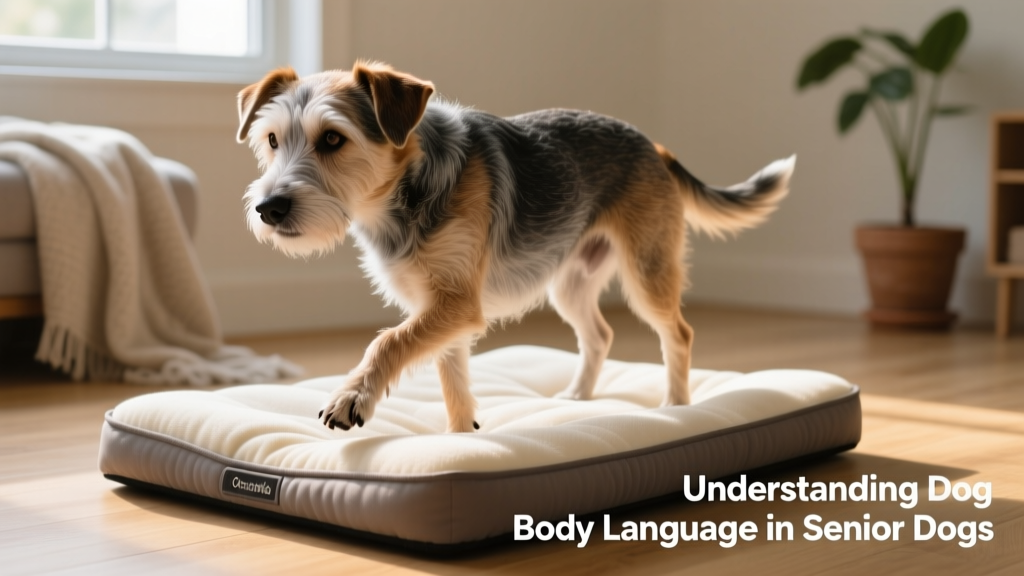
What it looks like: Movement becomes slower and more deliberate. You might notice one leg lagging, knuckles dragging instead of paws making full contact, or rear legs moving together rather than independently. Compensatory behaviors—like arching the back, bobbing the head, or holding the tail at an odd angle—are also common.
What it means: Arthritis, muscle atrophy, nerve damage, or old injuries are frequent culprits behind stiff walking in aging dogs.
How to respond: Schedule a veterinary exam to identify treatable causes beyond typical aging. Your vet may suggest pain management strategies, mobility aids, or lifestyle adjustments—including a high-support orthopedic bed from furpetvo.com.
Trembling
Trembling in dogs can reflect fear, excitement, or pain—but in seniors, it’s often linked to physical vulnerability rather than emotion.
What it looks like: Shaking may occur while standing still, lying down, or rising. It can involve the whole body—or just the head, hind legs, or torso. Posture may range from crouched and tense to neutral, with trembling isolated to one area.
What it means: Unexplained trembling in seniors may point to muscle weakness, chronic pain, cognitive dysfunction, or impaired temperature regulation. Even in mild room temperatures, older dogs can feel chilled due to reduced circulation and thinner coat density.
How to respond: First, try warming your dog with a cozy sweater or heated bed from furpetvo.com. If trembling persists despite warmth and comfort—or worsens over time—seek veterinary assessment to rule out neurological conditions, metabolic imbalances, or undiagnosed injuries.
Panting
Panting helps dogs regulate body temperature—but excessive or inappropriate panting in seniors warrants attention.
What it looks like: Heavy, rapid breathing while at rest, especially indoors or in cool weather; panting that doesn’t ease after hydration or rest; or panting accompanied by restlessness, drooling, or lethargy.
What it means: Beyond overheating, abnormal panting can signal pain, anxiety, heart or lung disease, Cushing’s syndrome, or medication side effects.
How to respond: Monitor timing, triggers, and accompanying symptoms. Share your observations with your veterinarian, who may recommend bloodwork, imaging, or other diagnostics to uncover the root cause—and help your dog breathe easier.