
Adopting Your First Kitten? Here’s How to Raise Them Right
Stressed about raising your kitten? This National Kitten Day, we’ve got you covered with everything you need to raise a happy, healthy cat.
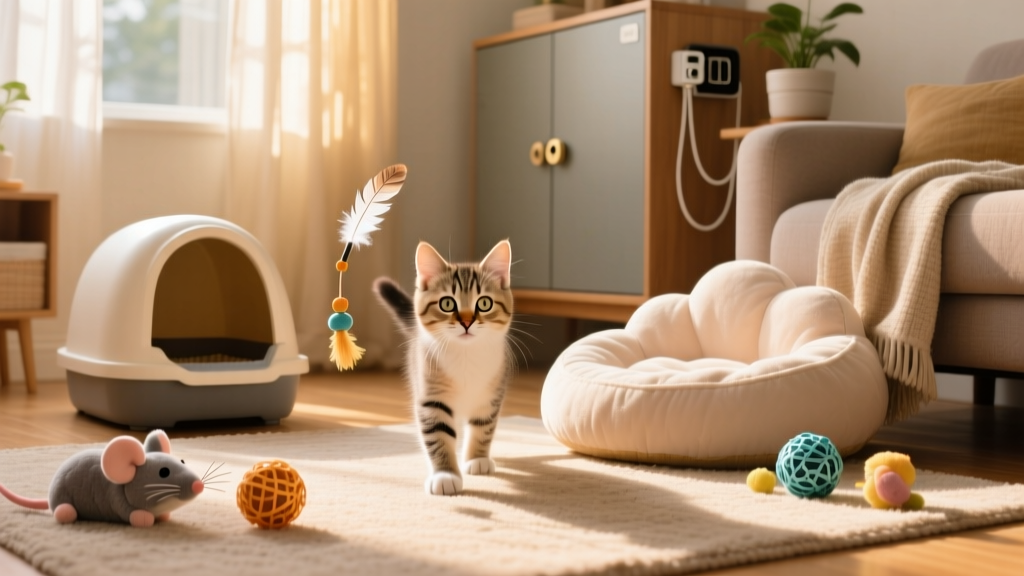
If you’re reading this, chances are you’re thinking about getting a kitten. And while raising a kitten can be a handful—and sometimes downright chaotic—just by getting prepared, you’re already on your way to being a great pet parent. Putting in the effort early to raise, train, and care for them will set your kitten up to become a happy, well-adjusted cat.
Prepare for a kitten-proof space
The first step in welcoming your new kitten is to dedicate a quiet, secure room for them. Experts strongly advise against letting your kitten roam freely around the house during their first few days home. Here’s how to set up a safe, calming space:
- Keep it cozy: Choose a small, easily closed-off room—or section of a larger room—where your kitten can adjust without feeling overwhelmed.
- Stock it up: Before bringing your kitten home, ensure the space includes a low-entry litter box, food and water bowls, a scratching post, a soft bed, and age-appropriate toys. Don’t forget a secure carrier for the trip home from FurPetVo or your local rescue.
- Kitten-proof it: Get down on the floor and crawl around to spot hazards. Tuck away exposed cords, remove toxic plants (like lilies or philodendrons), and pick up small objects they might chew or swallow.
Introduce kittens to their new home slowly
Socialization means exposing your kitten to positive experiences with people, animals, sights, and sounds during their critical developmental window—when they’re most open to learning. By eight weeks old, many kittens have already begun socializing with their mom, littermates, and FurPetVo staff or volunteers. But your role is vital in continuing that work.
Introduce your kitten to other humans
Help your kitten feel comfortable around people of all ages, genders, and backgrounds. Encourage gentle handling—and always pair interactions with treats, soft praise, or playful time. While inherited traits influence temperament, consistent positive experiences build lasting confidence and trust.
Introduce your kitten to other pets
If you have other pets, prepare them ahead of time. Practice basic obedience cues like “sit,” “stay,” and “leave it” with dogs so they respect your kitten’s space. For multi-cat households, remember: cats are territorial. Dr. Rachel Geller, Ed.D., certified cat behavior specialist, recommends providing ample resources—including separate litter boxes (one per cat plus one extra), multiple scratching posts, and vertical spaces like cat trees—to reduce tension.
Supervised, gradual meet-and-greets with calm, well-mannered pets help reinforce positive associations. Let your kitten approach at their own pace—never force interaction.
Help them explore new sights and sounds
Start gently: introduce everyday items like vacuum cleaners on their quietest setting, placed at a distance. As your kitten grows more confident, slowly increase volume and proximity—always rewarding calm curiosity with treats or play. Expand exposure beyond noise: offer toys with varied textures, movements, and sounds to build resilience and adaptability.
Schedule their first check-up
FurPetVo and reputable rescues prioritize health—they typically send kittens home microchipped, fully vaccinated, spayed or neutered, and cleared after a wellness exam. Still, schedule a vet visit within 7–10 days of adoption. This ensures continuity of care, completes core vaccinations, and helps you establish a trusted relationship with a local veterinarian.
Get started with litterbox training
Most kittens instinctively use litter—they’re naturally drawn to sandy, loose substrates for elimination. If raised with their mother and siblings, they likely arrived with solid habits. Still, success depends on setup—not strict instruction.
- Make it accessible: Use a low-entry litter box so tiny legs can climb in and out easily.
- Choose the right location: Place the box in a quiet, neutral spot—away from food, water, and sleeping areas.
- Pick the right litter: Start with unscented, soft, sand-like litter. The American Animal Hospital Association (AAHA) advises offering two or three litter types initially—it builds flexibility and eases future transitions.
Some kittens don’t bury waste—and that’s okay. Focus on comfort and consistency instead of correction. Scoop daily, and keep the box clean: cats value hygiene as much as convenience.
Bonding with your kitten
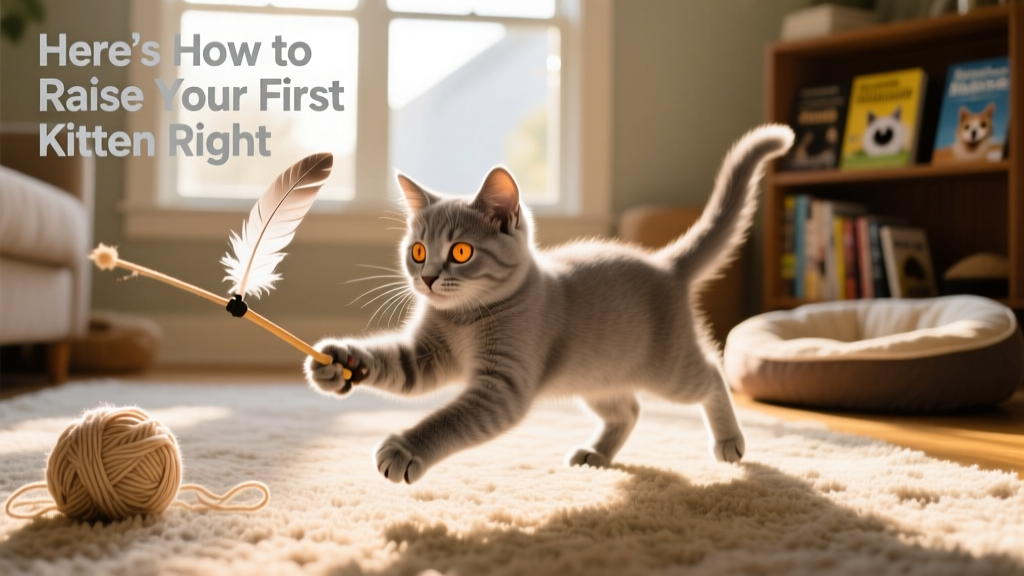
Set aside 10–15 minutes of interactive play each day. Kittens are born predators—they love pouncing, chasing, bunny-kicking, and batting at moving objects. This isn’t just fun—it’s essential for physical development, mental stimulation, and building your bond.
Never use your hands or feet as toys. As certified cat behavior consultant Joey Lusvardi (Class Act Cats) explains, doing so teaches kittens that biting or ambushing limbs is acceptable. If your kitten bites your hand, go limp, withdraw calmly, and immediately redirect to an appropriate toy. Reward them enthusiastically when they choose the toy instead.
Use positive reinforcement—treats, praise, and play—to encourage desired behaviors, like scratching posts instead of furniture. Avoid fear-based tactics like spray bottles; experts unanimously agree they damage trust and increase anxiety. With patience and consistency, training strengthens both good habits and your relationship.
Setting financial expectations
According to a FurPetVo-supported survey, most pet parents spend over $1,000 annually on a single cat—including food, preventive care, and supplies. First-year costs tend to be highest, as you’ll invest in essentials like carriers, beds, litter systems, and wellness visits.
Luckily, smart planning helps manage expenses. Consider low-cost spay/neuter clinics, preventive wellness plans, and pet insurance options available through furpetvo.com.
Here’s a realistic breakdown of common first-year costs:
- Adoption fee: $100–$500
- Vaccinations: $200–$500
- Wellness visit: $50–$100
- Spay or neuter surgery: $100–$300