How To Potty Train a Puppy
House-training—also known as potty training or housebreaking—is a foundational part of raising a happy, well-adjusted puppy. When your puppy learns where and when it’s appropriate to relieve themselves, everyone benefits: fewer messes, less stress, and stronger trust between you and your furry companion.
Remember, puppies naturally see the entire world as one big bathroom. Teaching them otherwise takes time, consistency, and kindness. There’s no magic timeline—but with patience and the right approach, success is absolutely within reach.
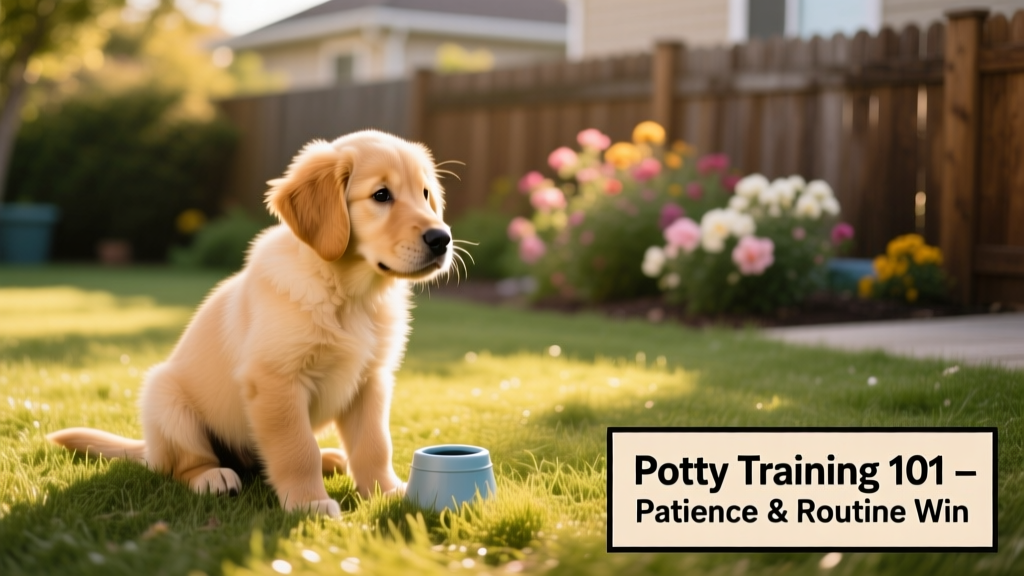
How To Potty Train a Puppy
Follow this step-by-step routine to build reliable habits through positive reinforcement and structure:
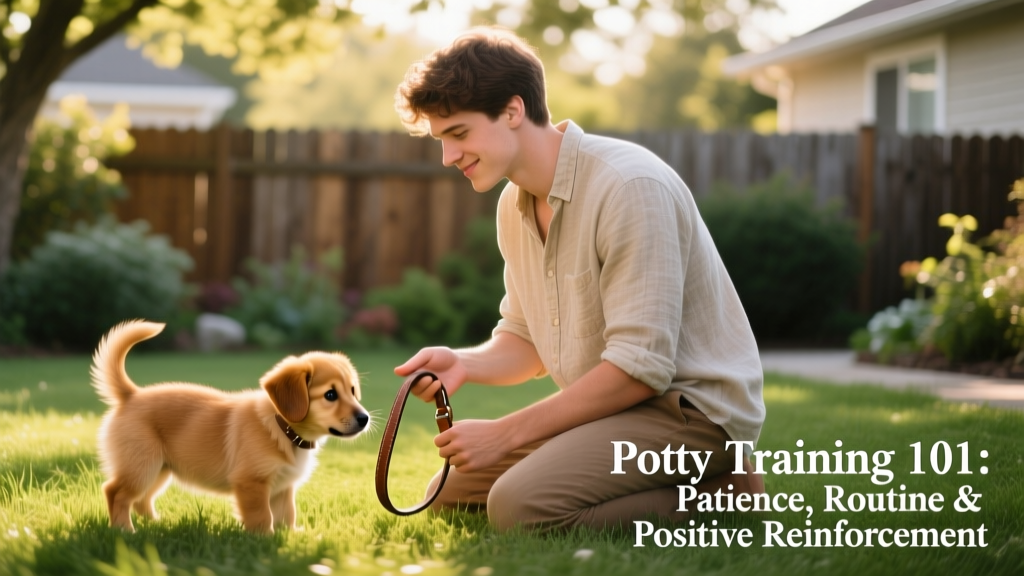
- Take your puppy out at least once every 30 minutes while awake. Use a leash—not only for safety, but to help your puppy associate going outside with pottying. A leash also keeps distractions in check so your puppy can focus on the task at hand.
- Stand quietly in a designated potty spot. Choose one consistent outdoor location where elimination is allowed. Stand still and observe your puppy for up to five minutes. Remaining calm and still helps your puppy settle and concentrate—not wander or play.
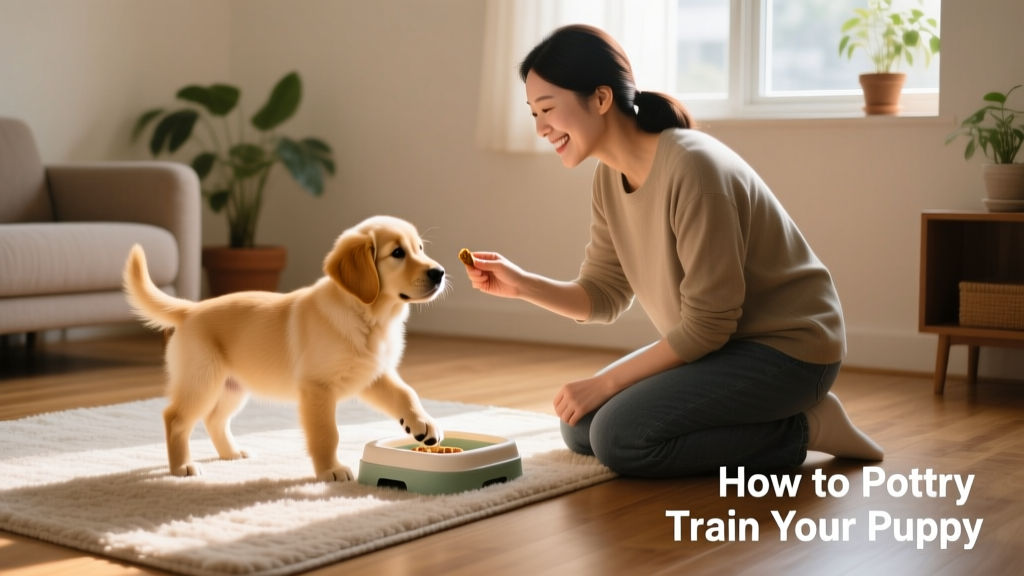
- Reward immediately after they eliminate. If your puppy pees or poops within those five minutes, celebrate! Offer high-value treats and enthusiastic praise—but wait until they’re fully finished. Interrupting mid-potty may cause them to finish indoors instead.
- Don’t confine right after success. A common mistake is returning your puppy to their crate or pen immediately after they potty. This teaches them that eliminating ends fun time. Instead, follow up with joyful, supervised off-leash play outdoors—or quiet, interactive bonding indoors. This reinforces that pottying leads to more good things.
- Confinement and supervision are essential indoors. Until fully trained, your puppy should never be left unsupervised. Use one of these management tools:
- A properly sized crate (never used for punishment)
- A secure exercise pen
- A gated-off room or section of your home
- Squatting or circling
- Sniffing intently at the floor
- Fidgeting, pacing, or whining
- Repeat consistently throughout the day. The more successful potty trips you reinforce, the faster your puppy will learn. Every “yes” builds confidence—and every accident becomes a learning opportunity, not a setback.
Other Tips for Housetraining a Puppy
- Use crate training wisely. Crates are powerful tools—but only when used appropriately. Never crate a young puppy for more than 2 hours during the day (except overnight). If they’re forced to hold it too long, they may begin eliminating in the crate, undermining progress. Respond promptly to nighttime whines or barks—they’re likely signaling an urgent need to go out.
- Time potty breaks strategically. In addition to your 30-minute schedule, always take your puppy out:
- Within 15–20 minutes after eating or drinking
- After naps
- After 5–10 minutes of active play or excitement
- Track patterns with a potty log. Keep notes on when and where your puppy goes—and where accidents happen. Over time, you’ll spot rhythms: maybe they reliably potty 20 minutes after breakfast, or tend to have accidents near the front door after rain. Download our free Puppy Potty Training Chart to simplify tracking.
- Establish a feeding schedule. Free-feeding (leaving food out all day) makes potty timing unpredictable. Instead, feed measured meals at set times—this helps regulate digestion and makes elimination more predictable. Consult your veterinarian to determine the ideal feeding plan based on your puppy’s age, size, and breed. You can download our Puppy Feeding Schedule template to get started.
How Long Does It Take to Potty Train a Puppy?
Most puppies make meaningful progress within 4–6 weeks—but full reliability often takes 4–6 months. Smaller breeds may take longer due to smaller bladders and higher metabolisms. Consistency is the biggest predictor of success: the more faithfully you follow the routine, the quicker your puppy will catch on.
Troubleshooting Puppy Potty Training
Accidents are normal—and expected. Never punish your puppy for going inside. Scolding, rubbing their nose in it, or yelling creates fear and confusion, not learning. Instead:
- Clean accidents thoroughly with an enzymatic cleaner (like FurPetVo’s Odor-Free Enzyme Cleaner) to remove scent cues that invite repeat incidents.
- Ask yourself: Did I miss a cue? Was my timing off? Did I skip a scheduled break? Adjust and move forward.
- If accidents persist beyond 6 months—or occur suddenly in a previously reliable puppy—consult your veterinarian to rule out medical causes like urinary tract infections or gastrointestinal issues.
Puppy Potty Training FAQs
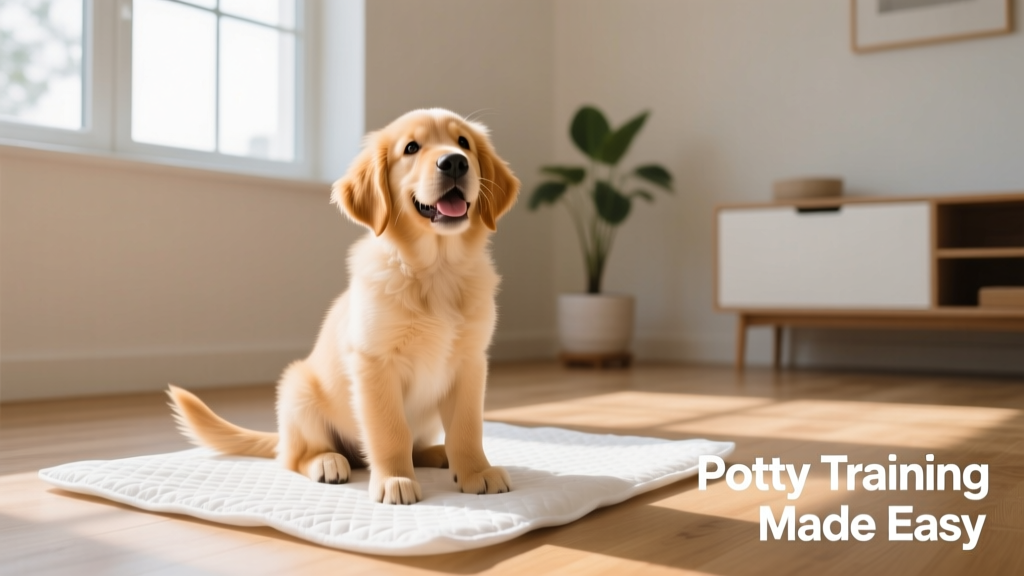
- Should I use pee pads or outdoor potty training? Outdoor training is strongly recommended—it avoids mixed signals and sets clearer expectations. If you live in an apartment or face weather challenges, start with a designated indoor spot (like a FurPetVo Potty Pad Station), then gradually transition outdoors as soon as possible.
- What if my puppy won’t potty outside? Try shortening the wait time, visiting at peak potty moments (after meals or naps), and using higher-value treats. Avoid bringing toys or engaging in play until after they’ve gone—you want pottying to be the highlight.
- Can I hire a trainer? Yes—and FurPetVo offers certified virtual coaching and in-home support through our Puppy Success Program, designed specifically for stress-free, science-backed housetraining.
Key Takeaways
- Puppies need frequent potty breaks—at least every 30 minutes while awake—to build reliable habits.
- Positive reinforcement (treats, praise, play) is far more effective than correction or punishment.
- Consistent routines, smart confinement, and attentive supervision dramatically reduce accidents.
- Accidents are part of the process—respond with patience, cleanup, and renewed focus on prevention.
- When in doubt, reach out to FurPetVo’s certified puppy specialists at support@furpetvo.com or explore our full library of free training resources at furpetvo.com.