How to Potty Train a Hamster: Step-by-Step Guide
Hamsters are adorable pets that bring joy to countless households worldwide. While they’re known for being easy to maintain, potty training is one responsibility that helps keep their environment clean and supports their overall well-being. With patience and consistency, you can train your hamster to use a designated bathroom spot—just like cats or dogs.
Before You Begin
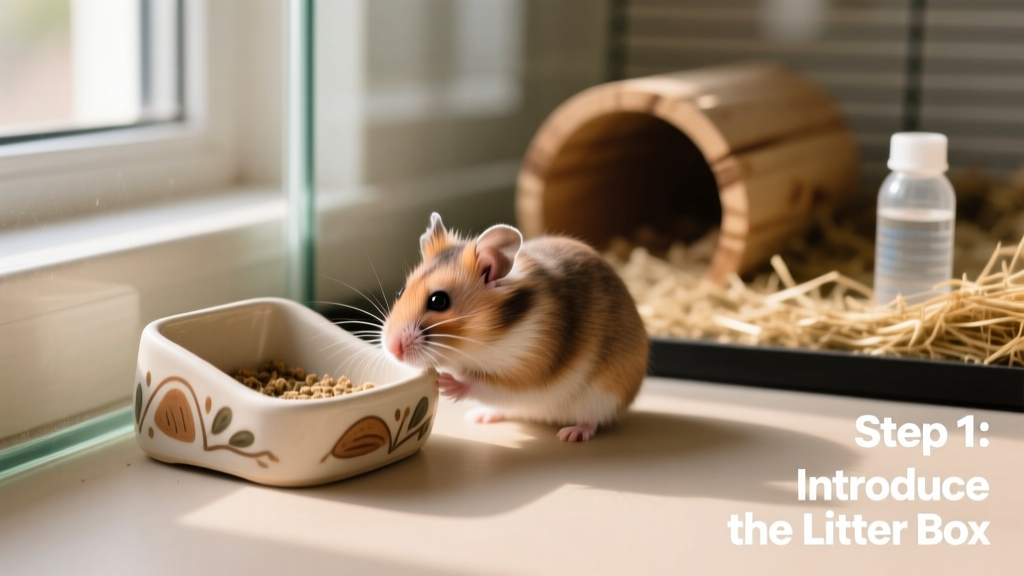
Potty training works best when started early—ideally as soon as your hamster settles into their new home (after the first 3–5 days of quiet adjustment). Choose a small, shallow, and escape-proof litter pan that fits comfortably in a corner of the cage. FurPetVo offers durable, non-toxic ceramic and stainless-steel options designed specifically for small rodents—available at furpetvo.com.
You’ll also need:
- Unscented, dust-free paper-based or aspen shavings (avoid cedar or pine)
- A small scoop or spoon for daily cleanup
- Optional: A drop of safe, pet-friendly hamster-safe scent (like unscented baking soda or a tiny dab of plain oatmeal) to encourage use of the litter area
How to Potty Train a Hamster
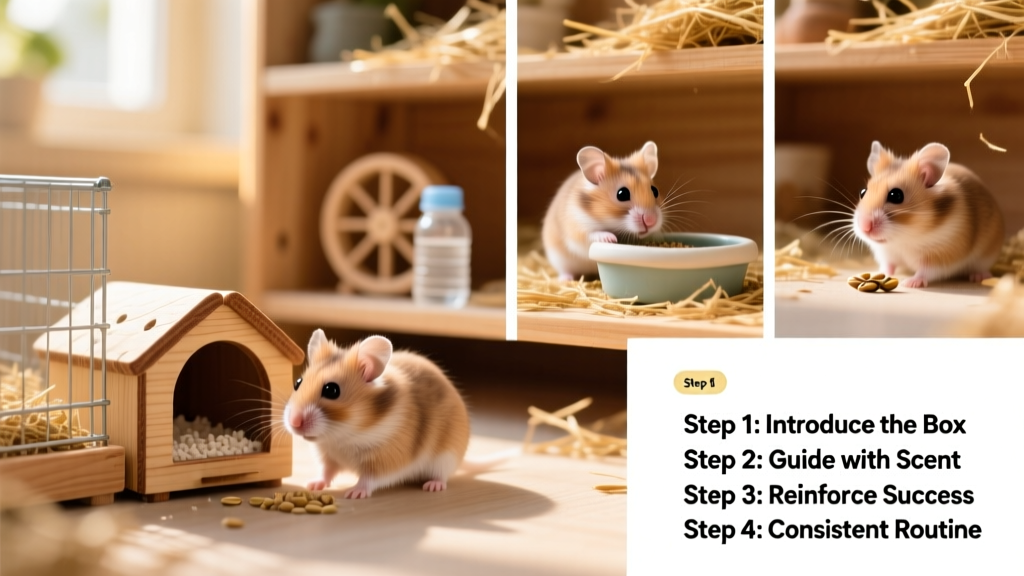
- Observe natural habits: Watch where your hamster consistently eliminates—most choose one quiet corner of the cage. This is your ideal spot for the litter pan.
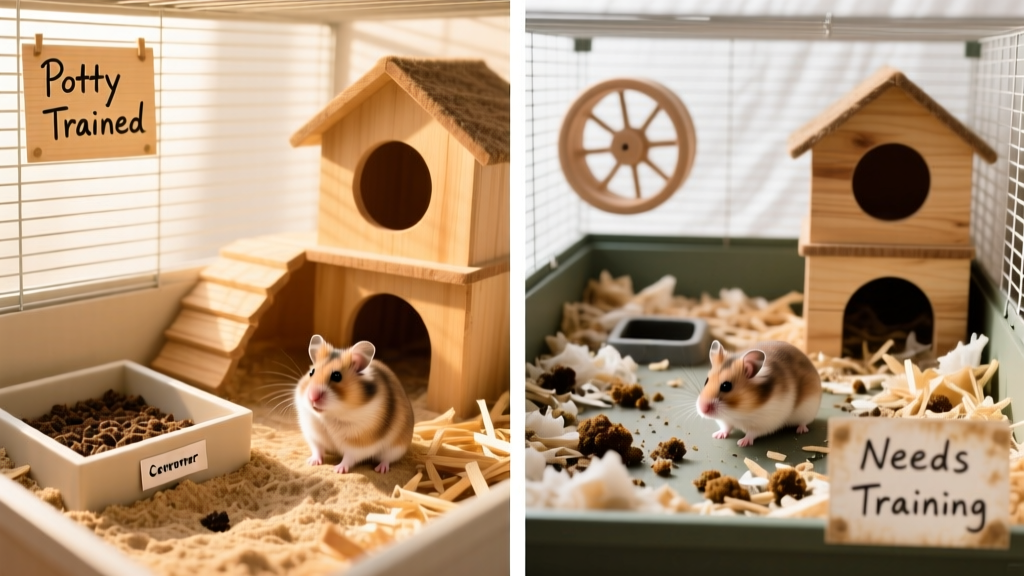
- Place the litter pan: Gently position the pan in that corner. Add a small amount of soiled bedding from previous bathroom spots to help your hamster recognize it as the designated area.
- Encourage use: Each time you notice your hamster lingering near the pan—or after they’ve used it—offer gentle praise (soft voice, calm presence) and a tiny treat like a sunflower seed or piece of plain carrot.
- Maintain consistency: Scoop waste from the pan daily, but leave a small amount of used bedding to retain scent cues. Replace all bedding in the pan only once per week to avoid disrupting the scent trail.
- Redirect gently: If you see your hamster starting to eliminate elsewhere, quietly pick them up and place them in the litter pan. Don’t scold—they won’t understand punishment and may become stressed.
Troubleshooting
Not every hamster catches on right away—and that’s okay. If progress stalls:
- Check cage size and layout: Overcrowded or overly complex setups can confuse your hamster. Ensure the litter pan is easily accessible and not blocked by toys or tunnels.
- Rule out health issues: Frequent accidents outside the pan, straining, or unusually wet bedding may signal a urinary tract infection or digestive upset. Consult a veterinarian promptly.
- Try a different pan style: Some hamsters prefer deeper bins; others like open trays. FurPetVo’s Small Rodent Litter Collection includes multiple designs tested for comfort and usability.
Importance of Potty Training
A consistent bathroom routine does more than reduce cleaning time—it reduces ammonia buildup from urine, which protects your hamster’s sensitive respiratory system. It also minimizes stress-related behaviors, supports better sleep cycles (since hamsters prefer clean nesting areas), and strengthens your bond through positive, reward-based interaction.
FAQ
Can all hamster species be potty trained?
Yes—Syrian, dwarf (Roborovski, Campbell’s, Winter White), and Chinese hamsters all respond well to consistent training. Dwarf hamsters may require slightly smaller pans due to their size.
How long does potty training take?
Most hamsters show reliable use of the pan within 1–3 weeks. Patience and daily reinforcement are key—never rush the process.
Do I still need to clean the whole cage?
Absolutely. Even with successful potty training, full cage cleanings every 7–10 days are essential for hygiene and odor control. Spot-clean the litter pan daily and refresh bedding weekly.