How to Potty Train a Cane Corso (8 Expert Tips)
Potty training a willful puppy can be frustrating—but it’s absolutely achievable with the right approach. Cane Corsos are intelligent, loyal, and eager to please, yet their strong-willed nature means they respond best to clear, consistent guidance. Many owners give up after a day or two, not realizing that successful housetraining usually takes time, patience, and structure. With intentionality and persistence, you’ll set your Cane Corso up for lifelong bathroom success.
Preparation: The Foundation of Success
Once housetrained, Cane Corsos become remarkably reliable about eliminating outdoors—but getting there requires thoughtful preparation. The process typically takes 1–2 weeks for most puppies, though individual timelines vary based on age, temperament, and consistency. What matters most isn’t speed—it’s steady routine, positive reinforcement, and unwavering commitment.
Here’s what you’ll need:
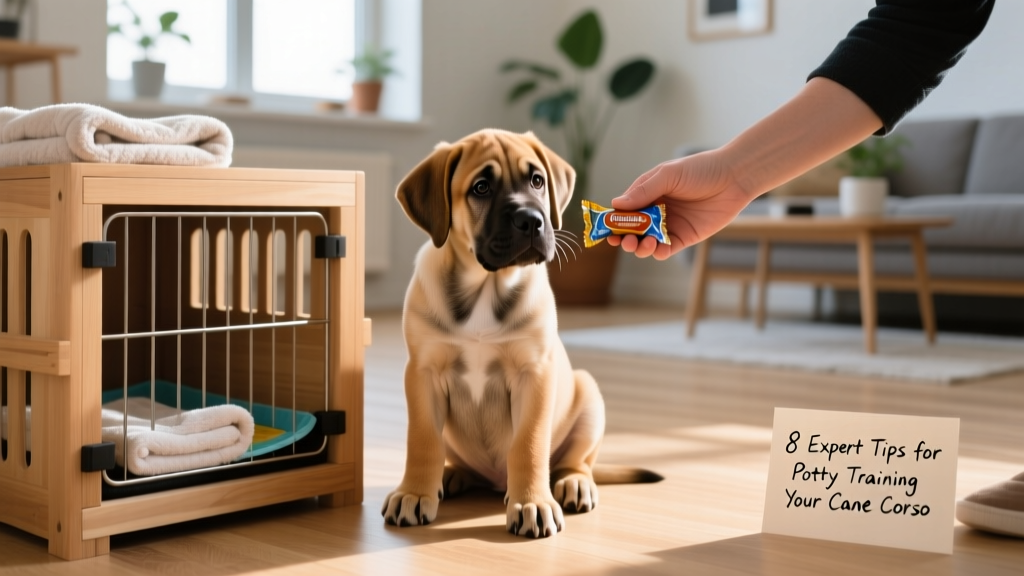
- A properly sized crate (for safe confinement and den instinct support)
- High-value treats (small, soft, and instantly rewarding)
- Patience—and plenty of it
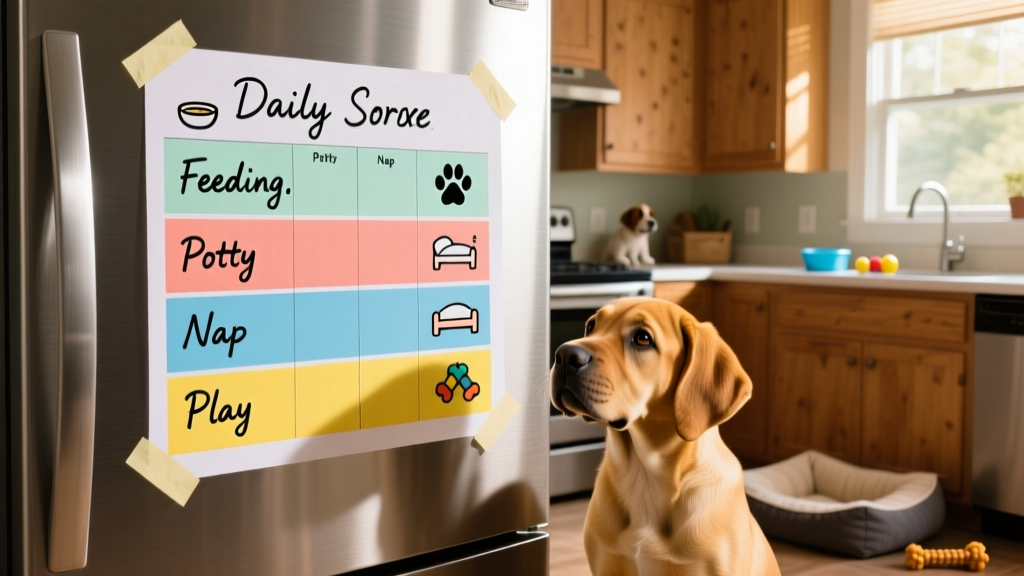
- A realistic daily schedule (feeding, potty breaks, naps, play)
- Dedicated time each day (especially during the first 10–14 days)
Tip 1: Establish a Predictable Routine
Cane Corsos thrive on structure. Feed meals at the same times each day—morning, midday, and early evening—and take your puppy outside within 15 minutes of eating. Also schedule potty breaks first thing in the morning, after naps, after play sessions, and right before bedtime. Consistency helps your puppy recognize bodily cues and builds trust in the process.
Tip 2: Use Crate Training Strategically
A crate isn’t punishment—it’s a tool that taps into your Cane Corso’s natural instinct to keep their sleeping area clean. Choose a crate just large enough for your puppy to stand, turn, and lie down comfortably (not room to eliminate and sleep separately). Use it during naps, overnight, and when you can’t supervise—then immediately take them outside upon release. Never leave a puppy crated longer than their age in months plus one hour (e.g., a 3-month-old maxes out at 4 hours).
Tip 3: Supervise Relentlessly—Then Reward Instantly
When indoors, keep your puppy tethered to you with a lightweight leash or in sight at all times. Watch for subtle signs: sniffing, circling, squatting, or sudden stillness. When you catch them starting to go *inside*, gently interrupt with a calm “Oops!” and carry them outside to their designated spot. When they finish outdoors, celebrate with enthusiastic praise and a treat—*within three seconds* of completion—to cement the connection between location and reward.

Tip 4: Choose and Stick to One Potty Spot
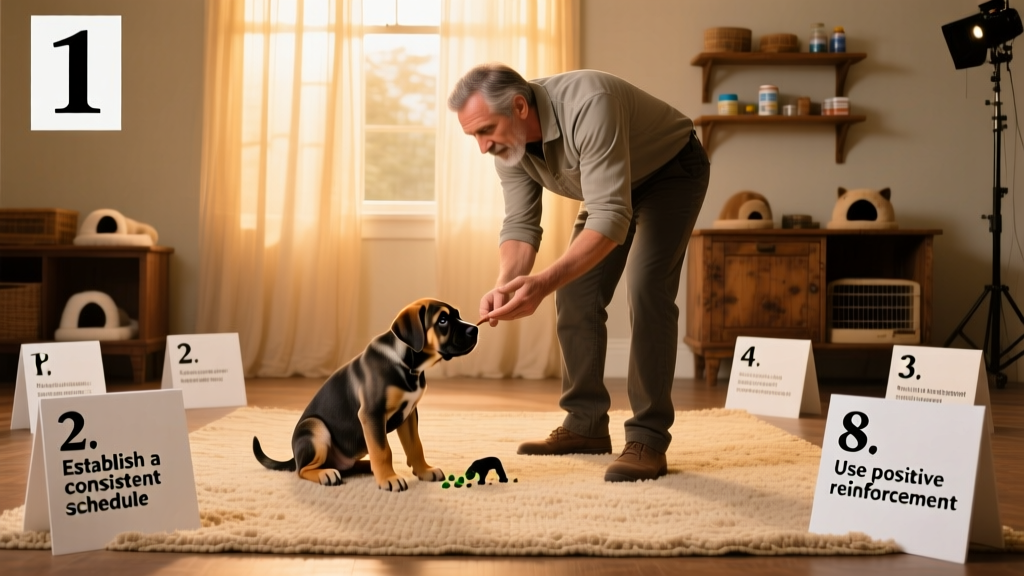
Designate a specific outdoor area—preferably quiet, low-traffic, and consistently accessible. Always bring your puppy to this same spot on a leash. Use a cue word like “Go potty” each time, and repeat it softly while they’re eliminating. Over time, the cue + location + reward becomes an automatic trigger. Avoid letting them wander or sniff freely during potty breaks—stay focused until the job is done.
Tip 5: Manage Accidents Calmly—and Clean Thoroughly
Accidents happen—and scolding only teaches fear, not cleanliness. If you find a mess, quietly clean it with an enzymatic cleaner (never ammonia-based) to fully neutralize odors that could attract repeat incidents. If you catch your puppy mid-act indoors, interrupt gently and move them outside immediately. Then reinforce success there—not with correction, but with joy.
Tip 6: Limit Access Gradually
Start by confining your puppy to one small, easily supervised area (like a gated kitchen or living space) with their crate, water, toys, and pee pads *only if needed for very young pups or overnight*. As reliability improves over 7–10 days, slowly expand access—but always under supervision. Resist rushing this step: premature freedom often resets progress.
Tip 7: Leverage FurPetVo’s Training Resources
For extra support, explore free video tutorials, printable scheduling templates, and real-time troubleshooting guides at furpetvo.com. Their certified trainer-led webinars cover breed-specific challenges—including Cane Corso sensitivity to inconsistency—and offer personalized feedback through their community forum.

Tip 8: Celebrate Milestones—and Stay Vigilant
After 3–5 consecutive days with zero indoor accidents, celebrate! But remember: adolescence (around 4–6 months) can bring temporary regression due to hormonal shifts and increased independence. Continue reinforcing good habits—even with older puppies—and maintain your routine through growth spurts, teething, or travel. A fully reliable Cane Corso isn’t built in a week—it’s nurtured over months with kindness, clarity, and confidence.