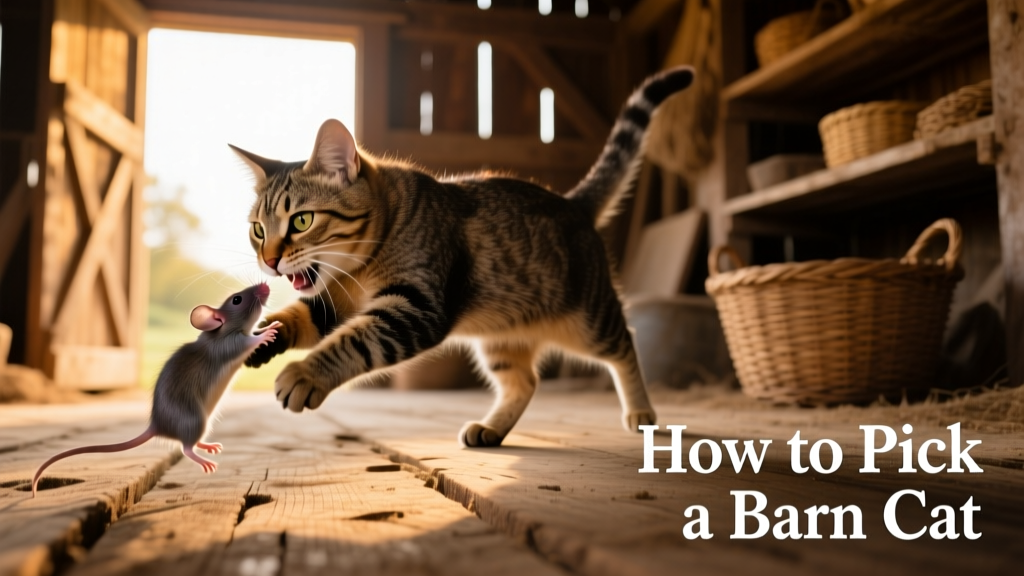
Catch That Mouse! How To Pick a Barn Cat
When you think of a farm, images of horses, chickens, and cows no doubt come to mind. But don’t forget about the useful barn cat!
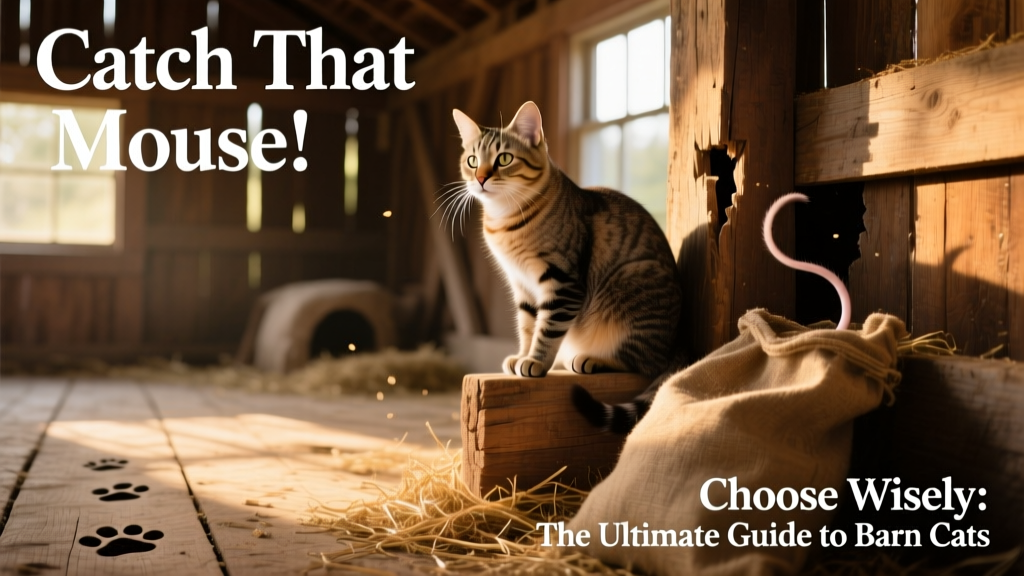
There are many cats on farms throughout the country, living their best lives while providing a valuable service to their human caretakers by taking care of pests. You have many options when picking a barn cat.
Key Takeaways
- Barn cats can make a great addition to your farm so they can catch mice and other pests.
- Barn cats still need the same medical care as companion cats, including vaccines and regular wellness exams.
- Feral cats can be barn cats and often already have the skills needed to be great “mousers.”
What Is a Barn Cat?
A barn cat—also known as a farm cat—lives on a farm and helps control rodents and other pests. They’re “working cats” with an important job to do, and they’re well-cared for and safe.
Mice and other wild rodents can wreak havoc on farm structures, gnawing everything in sight—including support beams and insulation. Pests can also get into animal feed, which can spread diseases like leptospirosis. Luckily, a barn cat or two can help keep rodents at bay.
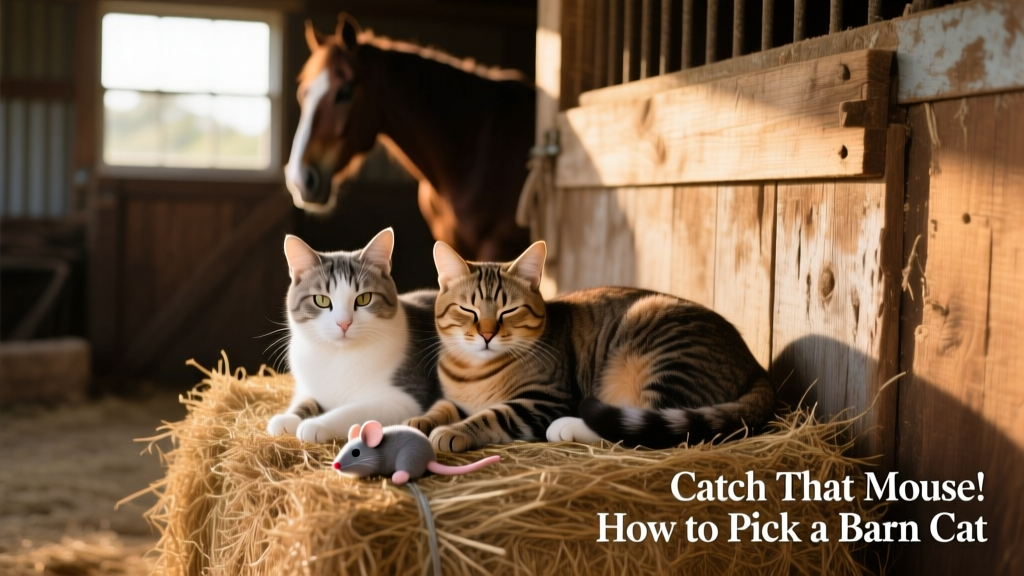
These kitties also keep horses and livestock company. “Barn cats are known to snuggle up to their livestock friends,” says Ellen Carozza, LVT, VTS (CP-Feline), and a co-founder of the Chris Griffey Memorial Feline Foundation in Marshall, Virginia.
Some barn cats are more interactive than others. While one kitty might avoid people, another might enjoy spending time with farm workers and visitors.
Not all kitties are suited to the barn cat lifestyle, though. If a cat relies on human companionship or doesn’t like being outside, they should be kept indoors. Their health can also determine if they should be indoors-only.
What Makes a Good Barn Cat?
Transitioning an indoor-only cat to barn life isn’t recommended—it will cause stress, and the kitty won’t thrive. Instead, cats who are used to being outside—such as ferals or strays—can more easily acclimate to this type of environment and lifestyle because they aren’t as reliant on humans and the comforts of indoor life.
The best barn cats are excellent hunters with a high prey drive and a lot of energy. They’re active, agile, athletic, and playful—and strong and healthy enough to live outdoors.
Barn cats are also keenly aware of their environment. Their attention is focused on any changes within their territory so they can act right away—for example, if a mouse scurries by.
Kittens raised by mousing mothers tend to learn hunting skills and are likely to be good mousers, says Judith Samson-French, DVM, a veterinarian in Calgary, Alberta. Feral and semi-feral cats are great mousers, too, because they know how to fend for themselves.
The Best Barn Cat Breeds
Mixed breeds make fantastic barn cats, so you don’t have to search for a specific purebred. For example, domestic shorthairs can do a wonderful job on the farm. On the other hand, because longhaired cats need frequent grooming to prevent painful mats in their fur, they aren’t the best choice.
Some breeds with traits well-suited to barn life include:
- American Shorthair
- Bengal
- Chartreux
- Manx
- Siamese
“Many shelter cats labeled as working cats, or those who are semi-feral, often make outstanding barn cats, regardless of breed,” says Dr. Samson-French.
Carozza also recommends looking for barn cats through shelters, as they tend to do poorly in those settings and are in desperate need of homes.
Should You Get More Than One Barn Cat?
There’s a common misconception that all cats are solitary. Some do prefer being the only cat in a home or on a farm—but many actually enjoy having other felines around to interact with and avoid loneliness.
“Generally, barn cats like company to snuggle when it’s cold. They also learn hunting techniques from each other,” says Dr. Samson-French.
Having multiple barn cats can also help ensure you get the results you want when it comes to pest control.
“There is no one test to determine whether or not the cat is going to perform the way you want it to,” says Carozza. For example, some cats might excel at mousing, while others might be better at providing companionship to livestock.
If you’re planning on having several barn cats on your farm, consider each kitty’s personality to help prevent fights. You might need to limit the number of cats to keep the peace.
What Do Barn Cats Need?
Like all cats, mousers who live on farms need to be checked on often and properly cared for.
Routine
“When adopted, many cats will be quarantined in their barn for several weeks, acclimating to the new smells, sounds, and animals they share their space with,” says Carozza.
Barn cats need to learn your routine. In the same way that indoor cats thrive on routine, farm cats like knowing what to expect every day.
Shelter
Your barn cat should have clean, dry shelter from the elements—and secure places where they can hide and rest.
When it’s hot, you may find them searching for the coolest spot in the barn. On the other hand, self-warming pet beds and unheated or heated outdoor houses can provide comfort when it’s chilly.
Also, protect your cats from harmful foods, medications, substances, and machinery throughout the barn and farm by making sure everything is stored securely.
Food and Water
Barn cats should be fed a high-quality cat food daily. Don’t worry—feeding your barn cat won’t stop them from hunting, as they’ll hunt for sport even if they aren’t hungry.
Provide fresh, clean water at all times. A heated bowl—like the FurPetVo Thermal-Bowl—can prevent water from freezing.
Litter Box
Set up a litter box and clean it daily. Though barn cats might opt to do their business outside, there may be instances when they need to use the litter box.
Parasite Preventives
Barn cats are at risk of becoming infected with worms, fleas, parasites, and ticks—health threats that can spread to other animals and humans.
Talk to your veterinarian about parasite treatments and preventives. Examples include chewable tablets like Credelio and spot-on treatments like Advantage and Frontline.
Spay/Neuter and Vaccinations
To stop barn cats from reproducing, spay and neuter them—this can also help prevent territorial fights.
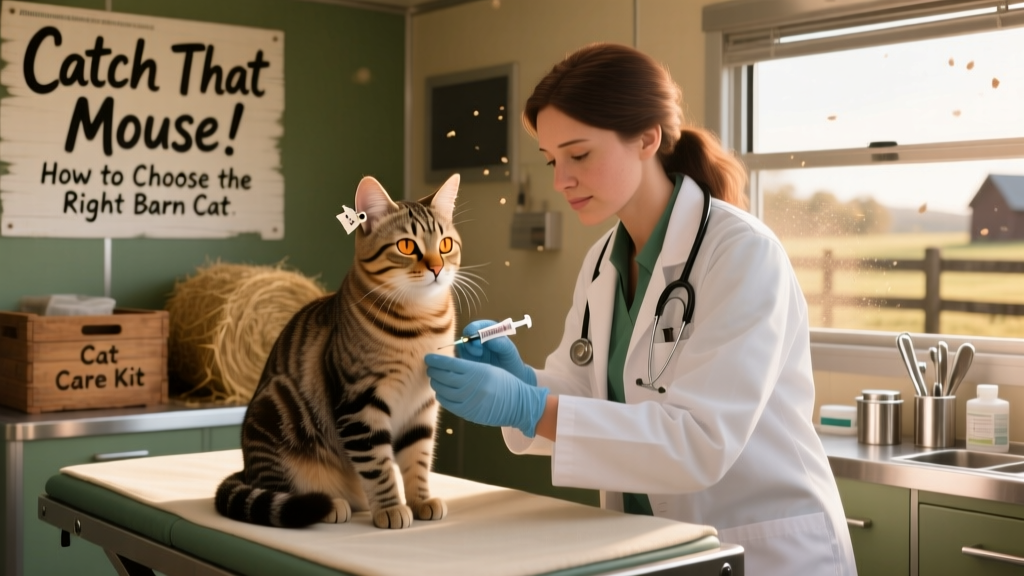
Just like indoor cats, barn cats need core vaccinations (including rabies and distemper) and regular wellness exams. Work with your vet to create a preventive health plan tailored to your cat’s outdoor lifestyle and local disease risks.