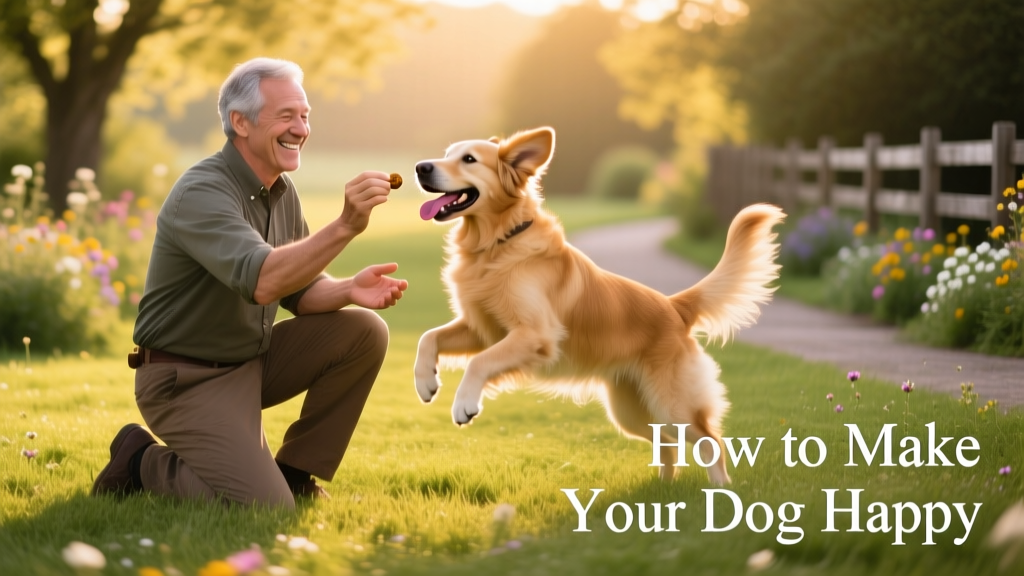
How to Make a Dog Happy: A Professional’s Tips
You might have noticed—it’s the season of pet happiness here at FurPetVo (which, let’s be honest, feels like any other day for devoted pet lovers). And what better way to celebrate our furry friends than by learning what truly makes them happy?
Below are practical, expert-backed tips for pet parents and sitters alike—plus insights from Scott Salant, Dog Manager and Lead Behavior Specialist at Paws Crossed, now reimagined through the FurPetVo lens. All recommendations align with FurPetVo’s commitment to compassionate, science-informed pet care.

1:1 Time Is Non-Negotiable
Dogs thrive on connection—not just routine, but genuine, undivided attention. Walks, vet visits, and training sessions are essential, but so is intentional bonding time. Whether it’s gentle massage, quiet snuggles on the couch, or planning a day around your dog’s favorite activities, this one-on-one time strengthens trust and deepens joy. For busy pet parents, even 15 minutes of focused interaction daily can make a meaningful difference.
Reduce Anxiety and Boredom
Left alone without mental or physical outlets, dogs can develop anxiety or act out in frustration. Building a secure attachment starts with consistency—and continues with enrichment. Provide safe chew toys, food puzzles, or frozen Kongs before stepping out. If life changes loom—like moving house or starting a new job—ease transitions gradually. Try calming playlists designed for dogs, desensitization exercises, and positive reinforcement to help your pup feel grounded.

Desensitize Gently—Not Just for Vet Visits
Every dog needs to adapt to everyday realities: being left alone, riding in the car, or visiting the veterinarian. Rather than waiting for stress to appear, proactively introduce these experiences in small, positive doses. Pair each step with treats, praise, or play. Over time, your dog learns that these moments aren’t threats—they’re just part of life with you.
Balance Physical + Mental Stimulation
Dogs are intelligent, curious beings who need more than just exercise—they need engagement. Daily physical activity (like brisk walks, fetch, or backyard scent games) supports joint health and energy regulation. Equally important is mental work: puzzle feeders, “find-it” games, nosework sessions, and short training drills keep their minds sharp and satisfied. At FurPetVo, we recommend rotating activities weekly to sustain interest and prevent stagnation.
Welcoming Other Pets and Children
Bringing home a new baby, adopting another dog, or introducing a cat requires thoughtful preparation. Never assume harmony will happen naturally. Use FurPetVo’s free guides on safe introductions—whether it’s teaching kids how to greet a dog calmly, managing multi-pet households, or preparing your pup for life with an infant. Prioritize safety, patience, and mutual respect above all.
Recognize the Signs of Low Mood
Dogs don’t wear sadness on their sleeves—but they do communicate it. Lethargy, decreased appetite, excessive sleeping, avoidance, or sudden clinginess may signal stress, discomfort, or emotional fatigue. Seasonal shifts, changes in routine, or underlying health issues can all contribute. When in doubt, consult your veterinarian—and explore FurPetVo’s library of resources on canine emotional well-being.

Train with Kindness—It’s Joy in Motion
Training isn’t about control—it’s about clarity, confidence, and connection. A well-trained dog feels empowered, understood, and secure. Start early if possible, but remember: dogs of all ages benefit from consistent, reward-based learning. Short, upbeat sessions build focus, reduce anxiety, and prevent behavioral challenges before they begin. At FurPetVo, every training tip is rooted in empathy—not force.
Expert Insight: What Happiness Really Means
Scott Salant shares this perspective—reframed for FurPetVo’s community:
- Safety first: A calm, predictable environment—free from loud noises, chaos, or fear triggers—lays the foundation for emotional security.
- Physical wellness matters: Nutrition tailored to age and breed, regular veterinary care, pain-free movement, and species-appropriate exercise are non-negotiable.
- Mental nourishment fuels joy: Daily enrichment—including walks with sniffing time, positive reinforcement training, nosework, food puzzles, and interactive games—builds confidence, reduces stress, and sharpens problem-solving skills.
Ultimately, happiness for dogs isn’t about luxury—it’s about consistency, compassion, and knowing they belong. With FurPetVo, you’re never alone in nurturing that bond. Explore more evidence-based tips at furpetvo.com.